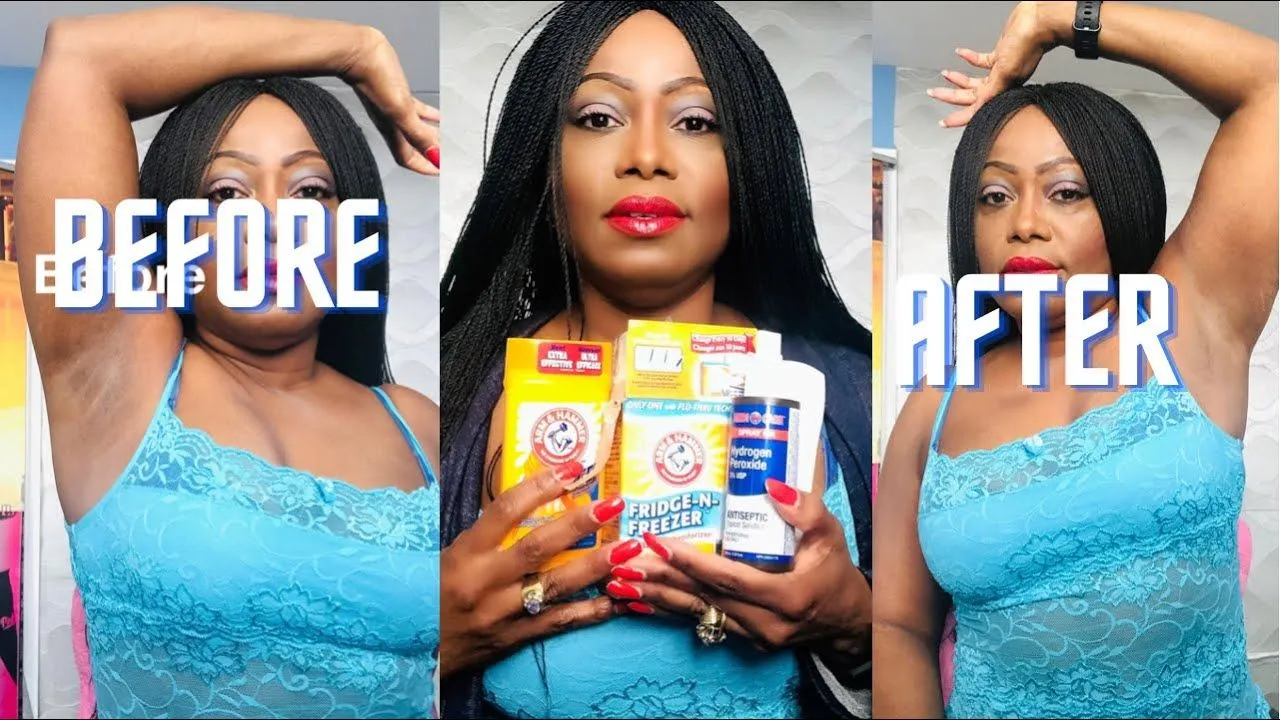
Understanding Underarm Hyperpigmentation
Underarm hyperpigmentation, the darkening of the skin in the underarm area, is a common cosmetic concern for many. Several factors can contribute to this condition, leading to an uneven skin tone and a less appealing appearance. This condition can be caused by various reasons, from simple irritation to underlying medical conditions. Understanding the root causes is the first step in finding effective solutions. It’s important to approach this topic with a clear understanding of what causes underarm darkening and how to address it safely and effectively.
What Causes Dark Underarms
Dark underarms can result from a combination of factors, including genetics, shaving, and the use of certain deodorants. Shaving, for example, often causes irritation and inflammation, which can trigger hyperpigmentation. Deodorants, especially those containing alcohol, fragrances, or harsh chemicals, can also lead to skin irritation and darkening. In addition, certain medical conditions, such as acanthosis nigricans, can cause darkened patches of skin, including in the underarm area. Recognizing these causes is crucial for choosing the right approach to lighten the underarms.
Factors Contributing to Darkening

Several factors can contribute to underarm darkening. Friction from tight clothing can irritate the skin and cause inflammation. Excessive sweating can exacerbate the problem by creating a moist environment that promotes bacterial growth and irritation. Hormonal changes, such as those experienced during pregnancy or due to certain medications, can also trigger hyperpigmentation. Certain skin conditions, like eczema and psoriasis, can also lead to darkening. By understanding these factors, you can take proactive steps to minimize the risk of underarm darkening.
The Science Behind Baking Soda
Baking soda, also known as sodium bicarbonate, is a versatile compound with a range of uses. It is a mild alkaline substance that can act as a gentle exfoliant and has properties that help to neutralize odors. Its chemical composition allows it to interact with skin cells, potentially helping to remove dead skin cells and lighten darkened areas. However, it’s important to understand the science behind how baking soda works, including its pH level and its impact on the skin, before considering its use for underarm whitening. The effectiveness and safety of using baking soda for skin treatments have been a subject of debate among dermatologists.
How Baking Soda Works
Baking soda works through a combination of mechanisms. Its slightly abrasive texture helps to exfoliate the skin, removing dead cells and promoting cell turnover. Additionally, its alkaline nature can help to balance the skin’s pH, which may help to reduce irritation and inflammation. The exfoliation process can potentially lighten the appearance of dark spots by removing the top layer of pigmented skin cells. However, the effectiveness of baking soda can vary depending on the skin type and the specific cause of the hyperpigmentation. The effectiveness of baking soda varies depending on the individual’s skin type and the severity of the condition.
Baking Soda for Whitening

Baking soda has been used as a home remedy for underarm whitening. It is believed to help lighten the skin by exfoliating and removing dead skin cells, which can lead to a brighter appearance. Some proponents suggest that baking soda can reduce the appearance of dark spots and uneven skin tone. However, it’s essential to be cautious, as baking soda can be irritating to the skin. Scientific evidence supporting its effectiveness for underarm whitening is limited. Always perform a patch test before applying baking soda to a large area of skin to check for adverse reactions.
Using Baking Soda for Underarm Whitening
If you’re considering using baking soda for underarm whitening, it’s important to do so safely and effectively. While it may offer some benefits, it’s essential to approach this method with caution and awareness of potential risks. Before starting any treatment, perform a patch test to check for any allergic reactions. Diluting the baking soda and limiting the frequency of use are crucial steps to prevent irritation. It’s also important to be realistic about the results and not expect a dramatic change overnight. Consulting a dermatologist is always a good idea before trying new treatments, especially for sensitive areas like the underarms.
Preparation and Application
To prepare a baking soda paste, mix baking soda with a small amount of water until a paste is formed. The ratio of baking soda to water should be adjusted to achieve a smooth consistency, avoiding a mixture that is too thick or runny. Before applying the paste, clean and dry your underarms thoroughly. Gently apply the paste to the affected area, avoiding any cuts or broken skin. Apply a thin layer to the underarms, taking care to cover the darkened areas evenly. Be careful not to scrub too vigorously, as this can cause irritation.
Step-by-Step Guide

Here’s a step-by-step guide for using baking soda on your underarms. First, mix a small amount of baking soda with water to create a paste. Apply the paste to the clean, dry underarm area. Gently massage the paste onto the skin in a circular motion for no more than a few minutes. Allow the paste to sit for a short period, usually about 10-15 minutes. Rinse thoroughly with lukewarm water, ensuring all traces of the baking soda are removed. Pat the area dry with a soft towel, and apply a gentle, fragrance-free moisturizer. Repeat this process once or twice a week, and stop if any irritation occurs.
Frequency and Duration
The frequency of using baking soda for underarm whitening is crucial to minimize the risk of irritation. It’s generally recommended to use the baking soda paste once or twice a week. Applying the paste more frequently can strip the skin of its natural oils, leading to dryness, redness, and irritation. As for the duration, it’s essential to monitor your skin closely and adjust the treatment based on your skin’s response. If you experience any adverse reactions, such as redness, itching, or burning, discontinue use immediately. Results may vary, and it may take several weeks or months to see any noticeable improvement.
Important Considerations and Safety
Before using baking soda for underarm whitening, it’s important to consider safety precautions and potential risks. Always perform a patch test before applying baking soda to a large area of skin. This involves applying a small amount of the paste to a discreet area, such as the inner arm, and waiting for 24 hours to check for any adverse reactions. Avoid using baking soda on broken or irritated skin, as it can exacerbate the problem. If you experience any signs of irritation, such as redness, itching, or burning, discontinue use immediately and consult a dermatologist. Be aware that baking soda can cause sensitivity to the sun.
Potential Risks and Side Effects

While baking soda can be a useful household item, it also carries potential risks and side effects when used on the skin. Common side effects include skin irritation, redness, dryness, and itching. In some cases, baking soda can cause chemical burns if left on the skin for too long or used in too high a concentration. It can also disrupt the skin’s natural pH balance, making it more susceptible to infections. If you experience any adverse reactions, discontinue use and seek medical advice. Using too much baking soda can cause the skin to become overly dry, cracked, and sensitive to external factors.
Who Should Avoid Baking Soda
Certain individuals should avoid using baking soda for underarm whitening. Those with sensitive skin, eczema, or other skin conditions are at higher risk of experiencing irritation and should avoid this treatment. People with broken or irritated skin should also refrain from using baking soda, as it can worsen the condition. If you are unsure about the safety of using baking soda, consult a dermatologist or a healthcare professional. It’s also wise to avoid it if you have allergies to sodium bicarbonate or any of its components. Children and the elderly should also approach this method with extra caution.
Alternative Whitening Methods
If baking soda isn’t the right choice for you, several alternative methods can help to lighten underarms and improve skin tone. These alternatives offer different approaches, ranging from natural remedies to professional treatments. Choosing the best method depends on your skin type, the severity of the hyperpigmentation, and your personal preferences. Consider gentle exfoliation with a loofah or a mild scrub. You can also use over-the-counter products containing ingredients like lactic acid, glycolic acid, or kojic acid, which can help to reduce hyperpigmentation. Additionally, consider using a deodorant that does not irritate the skin.
Natural Remedies

Several natural remedies can help lighten underarms gently and safely. Lemon juice is a popular choice, as it contains citric acid, a natural bleaching agent. However, it’s important to use lemon juice with caution, as it can be irritating. Aloe vera is another option, known for its soothing and skin-lightening properties. Other natural ingredients include turmeric, known for its anti-inflammatory and antioxidant properties, and coconut oil, which can moisturize and improve skin tone. Always perform a patch test before using any natural remedy to check for allergic reactions.
Professional Treatments
For more effective results, consider professional treatments for underarm whitening. Chemical peels can help to exfoliate the skin and reduce hyperpigmentation by removing the outer layers of skin cells. Laser therapy is another option, using concentrated light beams to target and break down melanin, the pigment responsible for dark spots. Microdermabrasion involves using a special device to exfoliate the skin, promoting cell turnover and lightening the skin. Always consult a dermatologist or a qualified professional to determine the best treatment option for your specific needs and skin type. Remember that these treatments often require multiple sessions.