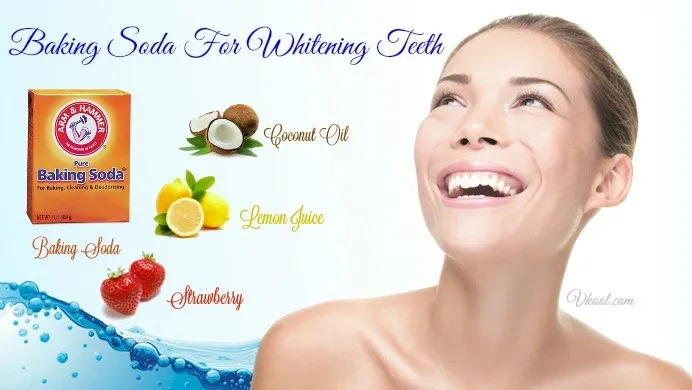
What is Baking Soda and How Does It Work
Baking soda, also known as sodium bicarbonate, is a common household ingredient with various uses, including cleaning, cooking, and personal hygiene. It functions as a mild abrasive and an alkaline substance. In the context of teeth whitening, baking soda is often promoted as a cost-effective and accessible method to brighten your smile. Its mechanism primarily involves its ability to remove surface stains from teeth. The effectiveness, however, is a subject of debate and is crucial to understand its potential risks. The way it interacts with the teeth, its abrasive nature, and its overall impact on oral health are essential considerations when evaluating its safety and suitability for teeth whitening purposes. Understanding these fundamentals can help make informed decisions about using baking soda for this purpose.
Baking Soda’s Abrasive Nature
The effectiveness of baking soda in teeth whitening is primarily due to its abrasive qualities. When mixed with water and applied to the teeth, the fine particles of baking soda create a mildly abrasive paste. This abrasive action helps to scrub away surface stains caused by food, drinks (like coffee and tea), and tobacco. However, it’s this same abrasive nature that raises concerns about its long-term use. While it may seem like a quick fix to remove stains, the abrasive properties can potentially damage the protective enamel layer of the teeth. This damage can lead to increased sensitivity, and a higher risk of cavities, which is an important factor to consider.
The Impact of Abrasiveness on Enamel

Tooth enamel is the hardest substance in the human body, but it is not indestructible. It protects the sensitive underlying layers of the tooth from damage. The consistent use of abrasive substances like baking soda can gradually wear down this enamel. Enamel erosion weakens the teeth, making them more susceptible to cavities, sensitivity to hot and cold foods, and discoloration. The abrasive nature of baking soda, while effective at removing surface stains, also removes tiny particles of enamel with each use. This gradual erosion can compromise the structural integrity of the teeth over time. Regular dental check-ups and professional advice are essential to assess the impact on enamel health.
Potential for Enamel Erosion
The potential for enamel erosion is a significant concern when using baking soda for teeth whitening. Over time, the abrasive action of baking soda can wear down the enamel, leading to several dental problems. This erosion exposes the underlying dentin, which is softer and more porous than enamel. The loss of enamel also makes the teeth more susceptible to staining, as the dentin is more easily discolored. Furthermore, enamel erosion can lead to increased sensitivity to temperature changes and acidic foods. The long-term effects of enamel erosion can necessitate expensive dental treatments, such as fillings, crowns, or other restorative procedures. It is crucial to weigh the potential benefits of whitening against the risks of enamel damage.
How Baking Soda Whitens Teeth
Baking soda whitens teeth primarily through a combination of mechanical abrasion and its chemical properties. As a mild abrasive, it helps to scrub away surface stains that accumulate on the enamel over time. These stains are often caused by foods, beverages, and lifestyle choices like smoking. In addition to its abrasive action, baking soda is alkaline. This alkalinity can help neutralize acids in the mouth, which can contribute to enamel erosion and tooth discoloration. It also creates an environment that is less favorable for the growth of bacteria, potentially aiding in overall oral health. However, it is important to note that baking soda is not a bleaching agent and cannot change the inherent color of teeth. Its whitening effects are limited to removing external stains.
The Effectiveness of Baking Soda

The effectiveness of baking soda for teeth whitening varies depending on the individual and the nature of the stains. Baking soda is generally more effective at removing surface stains caused by coffee, tea, and tobacco than intrinsic stains. It can produce noticeable results for some people, leading to a brighter smile. However, the whitening effects of baking soda are usually milder and less dramatic compared to professional whitening treatments or over-the-counter products containing bleaching agents like hydrogen peroxide. The extent of whitening also depends on the frequency and duration of use. Overuse of baking soda can lead to the aforementioned enamel erosion and other oral health problems. Therefore, while baking soda can be effective for some, it is not a universal solution and carries potential risks.
Clinical Evidence of Whitening
The clinical evidence supporting the efficacy of baking soda for teeth whitening is limited. While some studies suggest that baking soda can help remove surface stains and improve tooth brightness, the results are often not as significant as those achieved with professional whitening treatments. Many studies focus on the abrasive effects of baking soda, highlighting its ability to remove stains rather than its ability to intrinsically whiten teeth. Furthermore, there is a lack of comprehensive research on the long-term effects of baking soda use. The absence of robust clinical data raises questions about the overall safety and effectiveness of baking soda as a primary teeth-whitening method. It is advisable to consult with a dental professional for the best and safest teeth-whitening strategies.
Risks Associated with Baking Soda
The use of baking soda for teeth whitening carries several potential risks. The most significant is enamel erosion, as previously discussed. This can lead to increased tooth sensitivity, an increased risk of cavities, and a change in the appearance of the teeth. Another risk is gum irritation, as the abrasive nature of baking soda can damage the delicate gum tissue. This can lead to inflammation, bleeding, and, in severe cases, gum recession. Overuse of baking soda can also disrupt the natural pH balance of the mouth, creating an environment that is less healthy for teeth and gums. Careful consideration of these risks is important when deciding whether or not to use baking soda for teeth whitening.
Gum Irritation and Sensitivity

Gum irritation and tooth sensitivity are common side effects of using baking soda for teeth whitening, especially with frequent or aggressive brushing. The abrasive nature of baking soda can damage the soft tissues of the gums, leading to inflammation, redness, and bleeding. This irritation can be quite uncomfortable and may increase the risk of gum disease. Additionally, as the enamel is worn down, the underlying dentin is exposed, which contains tiny tubules that lead to the nerve of the tooth. This exposure can cause increased sensitivity to hot, cold, sweet, or acidic foods and drinks. People who experience these symptoms should discontinue using baking soda and consult with a dentist. Using a soft-bristled toothbrush and avoiding excessive pressure when brushing can help minimize these risks.
Alternatives to Baking Soda for Teeth Whitening
Several alternatives to baking soda offer safer and more effective options for teeth whitening. Professional teeth whitening performed by a dentist is one of the most effective methods. These treatments often use high concentrations of hydrogen peroxide to bleach the teeth, producing significant results in a controlled and safe environment. Over-the-counter whitening products, such as whitening strips, toothpastes, and mouthwashes, also provide alternatives. These products typically contain lower concentrations of bleaching agents than professional treatments, making them less likely to cause significant side effects. Furthermore, incorporating good oral hygiene practices, such as regular brushing, flossing, and dental check-ups, can help maintain a brighter smile and prevent tooth discoloration.
Professional Whitening Options
Professional teeth whitening, performed by a dentist, is generally the safest and most effective way to whiten teeth. Dentists can use high concentrations of bleaching agents, such as hydrogen peroxide, to achieve dramatic results. These treatments are usually carried out in-office and involve the application of the whitening agent to the teeth, often followed by the use of a special light or laser to enhance the whitening process. Professional whitening is customized to the individual’s needs, and dentists can monitor the procedure to minimize any potential side effects, such as tooth sensitivity. They can also address any underlying dental issues before whitening. While professional whitening can be more expensive than other methods, it offers superior results and ensures the safety and health of your teeth and gums.
Over-the-Counter Whitening Products

Over-the-counter (OTC) whitening products offer a convenient and more affordable alternative to professional teeth whitening. These products include whitening strips, toothpastes, gels, and mouthwashes. Whitening strips are popular because they are easy to use and can produce visible results. Whitening toothpastes contain mild abrasives and sometimes small amounts of bleaching agents to remove surface stains. Whitening gels are applied to the teeth using a tray and typically contain hydrogen peroxide. While OTC products are generally safe when used as directed, they may not be as effective as professional treatments. It is important to follow the manufacturer’s instructions carefully to minimize any potential side effects, such as tooth sensitivity or gum irritation. Consulting with a dentist before using OTC whitening products is recommended, especially if you have sensitive teeth or other dental concerns.
Conclusion Is Baking Soda Teeth Whitening Safe
In conclusion, while baking soda may offer some benefits for teeth whitening by removing surface stains, its safety is a concern due to its abrasive nature. The potential for enamel erosion, gum irritation, and increased tooth sensitivity outweighs the minor whitening effects for many users. Although baking soda can remove some stains, it is not as effective as professional treatments or over-the-counter products containing bleaching agents. Professional teeth whitening or the use of dentist-approved whitening products is generally recommended for the best and safest results. If you choose to use baking soda, it should be done sparingly, and you should consult with your dentist. The health and integrity of your teeth should always be prioritized.