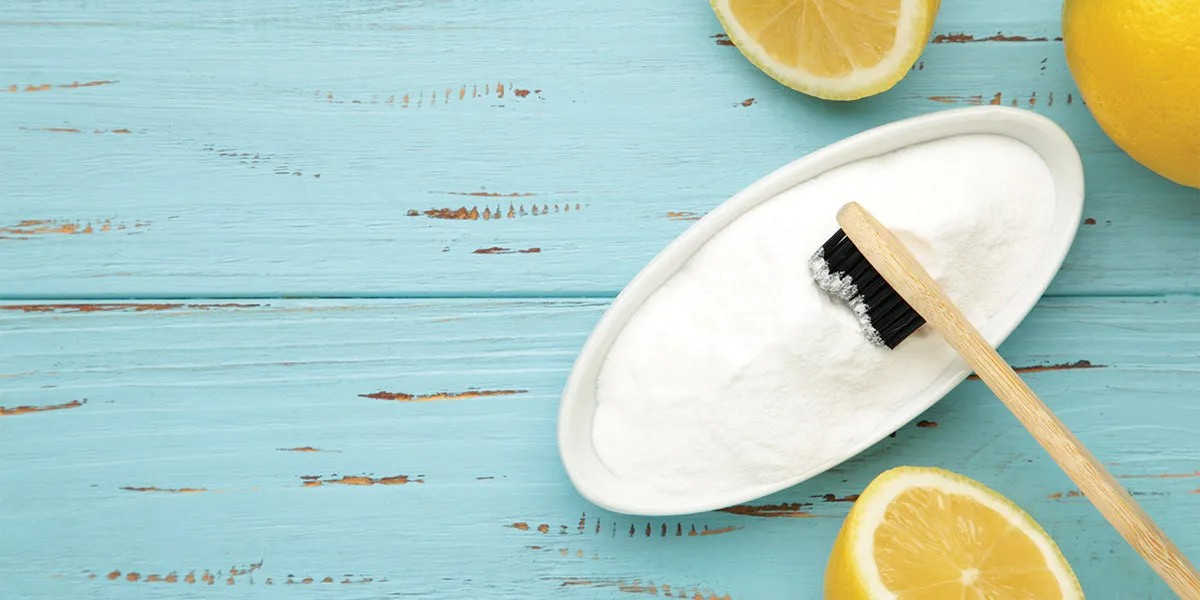
What is Baking Soda and How Does it Work for Teeth Whitening
Baking soda, also known as sodium bicarbonate, is a common household item renowned for its versatile uses. From baking to cleaning, its mild abrasive and alkaline properties make it a popular choice. In the realm of oral hygiene, baking soda has gained traction as a potential teeth-whitening agent. But how does this simple compound contribute to a brighter smile? The answer lies in its unique properties, making it a gentle yet effective approach for removing surface stains and promoting a cleaner mouth environment. It is essential to comprehend the science and proper usage of baking soda to maximize its benefits and minimize potential risks.
The Science Behind Baking Soda’s Whitening Power
The whitening properties of baking soda stem from its mild abrasive nature and its ability to neutralize acids. As a gentle abrasive, it helps scrub away surface stains caused by coffee, tea, and other foods. This physical removal of stains can lead to a noticeably brighter smile. Furthermore, baking soda’s alkaline properties help to neutralize the acids produced by bacteria in the mouth, which can erode enamel and contribute to tooth discoloration. By creating a more alkaline environment, baking soda can help protect the teeth and potentially enhance their natural whiteness. Understanding these scientific principles will provide you with the right knowledge about baking soda and how it can contribute to a whiter and brighter smile.
How Does Baking Soda Work

Baking soda functions as a mild abrasive, acting like a gentle scrub for your teeth. When you brush with baking soda, it helps to remove surface stains caused by various foods and beverages. This abrasive action is not harsh enough to damage the enamel, which is the protective outer layer of your teeth, when used correctly. Moreover, baking soda can help to disrupt the plaque buildup on your teeth, which can also contribute to staining and discoloration. Its ability to neutralize acids is another key factor in its whitening abilities. This neutralization helps to maintain a balanced pH level in your mouth, which is important for overall oral health. Remember, it’s the combination of these properties that makes baking soda a popular choice for those seeking a brighter smile.
Baking Soda for Teeth Whitening Step by Step
Achieving a brighter smile with baking soda is a straightforward process. First, start by gathering your supplies, which include baking soda, water, and a toothbrush. Next, mix about one teaspoon of baking soda with enough water to form a paste. The consistency should be thick enough to adhere to your toothbrush but not too dry. After that, gently brush your teeth with the paste for about two minutes, making sure to reach all surfaces. It’s important to avoid applying excessive pressure to prevent potential enamel damage. Finally, rinse your mouth thoroughly with water to remove any remaining baking soda. For optimal results, it is recommended to use this method once or twice a week, ensuring you do not overdo it.
Mixing Baking Soda with Other Ingredients
Enhancing the whitening power of baking soda can be achieved by combining it with other natural ingredients. However, it is crucial to exercise caution and research any potential side effects. Some popular combinations include mixing baking soda with water, lemon juice, and coconut oil. When mixing with water, the method remains the same, forming a paste and brushing as usual. However, when mixing with lemon juice, the acidity can be harsh on your teeth, so use it sparingly and only as directed. Coconut oil can add an extra layer of cleaning and may help freshen breath. Always consult with a dental professional before integrating these combinations into your routine to ensure they are safe and suitable for your teeth.
Baking Soda and Water

The simplest and safest way to use baking soda for teeth whitening is to mix it with water. This creates a gentle paste that acts as a mild abrasive, helping to remove surface stains. The method is very straightforward: mix a small amount of baking soda with water to form a paste, then brush your teeth as you normally would. The absence of added ingredients minimizes the risk of irritation or enamel damage. This method is suitable for most people and is a good starting point for those new to baking soda teeth whitening. Always rinse thoroughly after brushing and follow with your regular toothpaste for a complete clean.
Baking Soda and Lemon Juice
The combination of baking soda and lemon juice is a popular but potentially risky method for teeth whitening. Lemon juice is acidic and can contribute to enamel erosion if used too frequently or in high concentrations. This combination is considered effective because the citric acid in the lemon juice can help to break down stains, while the baking soda provides a gentle abrasive action. If you choose to use this method, use it very sparingly, perhaps once a month. Never brush immediately after consuming acidic foods or drinks, and always rinse your mouth thoroughly with water to neutralize the acid. Consult with your dentist before trying this method to ensure it is safe for your teeth.
Baking Soda and Coconut Oil
Combining baking soda and coconut oil is another popular DIY teeth-whitening method, believed to offer additional benefits. Coconut oil has natural antibacterial properties and may help reduce plaque buildup, while the baking soda provides the abrasive action. To use this combination, mix baking soda with coconut oil to form a paste. The consistency should be easy to spread and brush with. Brush your teeth with this mixture for about two minutes, then rinse thoroughly. Coconut oil can also aid in moisturizing the mouth and providing a more pleasant brushing experience. While this combination is generally considered safe, it’s still important to practice moderation and monitor your teeth for any sensitivity or changes. Regular consultation with a dental professional is highly advised.
Tips for Using Baking Soda Safely

To use baking soda safely for teeth whitening, it is very important to follow specific guidelines. Firstly, use a soft-bristled toothbrush and apply gentle pressure when brushing to avoid damaging the enamel. Excessive force can lead to abrasion and sensitivity. Secondly, limit the frequency of use to once or twice a week. Overuse can wear down the enamel and make your teeth more vulnerable to decay. Thirdly, always rinse your mouth thoroughly after brushing to remove all traces of baking soda, as any residue can lead to an unbalanced pH in your mouth. Finally, pay attention to your teeth and gums, and discontinue use if you experience any increased sensitivity or discomfort. Regular dental check-ups are essential to monitor the health of your teeth and gums and ensure that baking soda is a suitable whitening method for you.
Frequency of Use
The frequency of using baking soda for teeth whitening is a key factor in maintaining good oral health and achieving desired results. Due to its abrasive nature, it is recommended to use baking soda only once or twice a week. Overuse can erode the enamel, leading to increased sensitivity and a higher risk of cavities. For those with sensitive teeth or existing dental issues, it may be best to use it even less frequently or to consult with a dentist for personalized advice. The goal is to find a balance between achieving a brighter smile and preserving the health of your teeth. Following the recommended frequency ensures the benefits of whitening without compromising the integrity of your enamel. Always listen to your teeth and adjust the frequency as needed, seeking professional advice if any concerns arise.
Potential Risks and Side Effects
While baking soda can be an effective teeth-whitening agent, it is essential to be aware of the potential risks and side effects. The most significant concern is the potential for enamel erosion, especially with overuse. This can lead to increased sensitivity to hot and cold foods and drinks and a higher risk of cavities. Another potential side effect is gum irritation. The abrasive nature of baking soda can sometimes irritate the gums, causing redness or inflammation. If you experience any of these side effects, discontinue use immediately and consult with a dentist. Additionally, it is important to remember that baking soda may not be suitable for everyone, particularly those with sensitive teeth or certain pre-existing dental conditions.
Alternative Natural Teeth Whitening Methods

If you are seeking natural teeth-whitening methods, several alternatives can be used in conjunction with or as replacements for baking soda. Oil pulling, using activated charcoal, and incorporating a consistent oral hygiene routine are popular options. These alternatives often have fewer abrasive properties and can be gentler on your teeth. It’s important to consider your individual needs and preferences when choosing a whitening method and to consult with a dentist to ensure the chosen method is safe and effective for you. By exploring these alternatives, you can find a whitening solution that aligns with your values and promotes optimal oral health.
Oil Pulling for Whitening
Oil pulling is an ancient Ayurvedic practice that involves swishing oil in your mouth for a specific amount of time. It is thought to help remove bacteria and toxins, promoting overall oral health and potentially whitening teeth. The most common oil used for oil pulling is coconut oil due to its pleasant taste and antibacterial properties. To perform oil pulling, take one to two tablespoons of oil and swish it around in your mouth for about 15-20 minutes. Make sure to push the oil through your teeth and around your gums. After swishing, spit the oil into the trash to avoid clogging your drain. Then, rinse your mouth with water and brush your teeth as usual. While the scientific evidence for oil pulling’s teeth-whitening effects is limited, many people find it to be a beneficial addition to their oral hygiene routine.
Using Activated Charcoal
Activated charcoal is a fine black powder made from a variety of sources, such as coconut shells or wood. It is a popular ingredient in natural teeth-whitening products due to its absorbent properties. When used for teeth whitening, activated charcoal is believed to absorb stains and impurities from the teeth. To use activated charcoal, dip a wet toothbrush into the powder and brush your teeth gently for about two minutes. After brushing, rinse your mouth thoroughly and brush your teeth again with regular toothpaste to remove any remaining charcoal residue. It is very important to use activated charcoal with caution, as it can be abrasive and potentially damage enamel. Always consult your dentist before using activated charcoal to ensure it is safe for your teeth.
The Benefits of a Consistent Oral Hygiene Routine

Maintaining a consistent oral hygiene routine is fundamental to achieving and maintaining a brighter smile. This routine includes brushing your teeth twice a day for two minutes each time. Using fluoride toothpaste is essential for strengthening enamel and protecting against cavities. Flossing daily is also crucial to remove plaque and food particles from between your teeth, which brushing alone cannot reach. Regular dental check-ups and professional cleanings are equally important for preventing and addressing any dental issues. They allow your dentist to catch problems early and provide professional-grade cleaning. A comprehensive oral hygiene routine, combined with natural whitening methods like baking soda, can significantly contribute to a healthier and more radiant smile. Prioritizing these practices is an investment in your overall well-being and can help prevent more serious dental problems in the long run.
In conclusion, while baking soda can be a useful tool for teeth whitening, it’s essential to use it cautiously and in moderation. Understanding how it works, its potential risks, and alternative methods will help you make informed decisions about your oral care routine. Always prioritize your overall oral health and consult with a dental professional to ensure that any whitening method you choose is safe and effective for you. A brighter smile is achievable with the right approach, combining effective techniques with a commitment to consistent oral hygiene.