The Banana Teeth Whitening Myth Unveiled
The internet is awash with dental hacks, and one of the most persistent involves using banana peels to whiten teeth. Proponents claim that rubbing the inside of a banana peel on your teeth can lead to a brighter, whiter smile. But is there any truth to this claim? This article delves into the banana teeth whitening myth, examining the scientific basis (or lack thereof) and busting the most common misconceptions. We’ll explore why this method is unlikely to deliver the results you desire and explore other proven, effective options for achieving a dazzling smile. Before you consider this DIY approach, it’s important to understand the facts and separate myth from reality.
Myth 1 Bananas Naturally Whiten Teeth
One of the primary myths surrounding banana teeth whitening is that bananas, in their natural state, possess whitening properties. This belief often stems from anecdotal evidence shared online, with individuals reporting improvements in their tooth color after regular use. This claim suggests that the fruit’s composition inherently combats discoloration. However, a closer look reveals that this is unlikely. The actual composition of a banana doesn’t contain any known bleaching agents or compounds that would interact with tooth enamel in a way that would lighten it.
Debunking the Claim

The claim that bananas can naturally whiten teeth lacks scientific support. Whitening typically involves removing stains through chemical reactions or abrasives. Bananas primarily consist of carbohydrates, vitamins, and minerals – none of which possess intrinsic whitening capabilities. There’s no chemical reaction or abrasive property to lighten teeth. The surface of teeth doesn’t react in a way that supports whitening from this type of food. The natural properties of bananas simply don’t align with the process required for teeth whitening.
Why This Isn’t True
The concept of bananas naturally whitening teeth falls apart when you consider the science of teeth whitening. Whitening agents, such as hydrogen peroxide or carbamide peroxide, work by penetrating the enamel and breaking down stain molecules. Bananas lack these essential components. Moreover, the texture of a banana, while slightly abrasive, is not sufficient to remove deep-set stains or to visibly alter the color of your teeth. It’s important to rely on methods supported by scientific evidence rather than anecdotal claims when it comes to your oral health.
Myth 2 Banana Peels Are an Effective Whitener
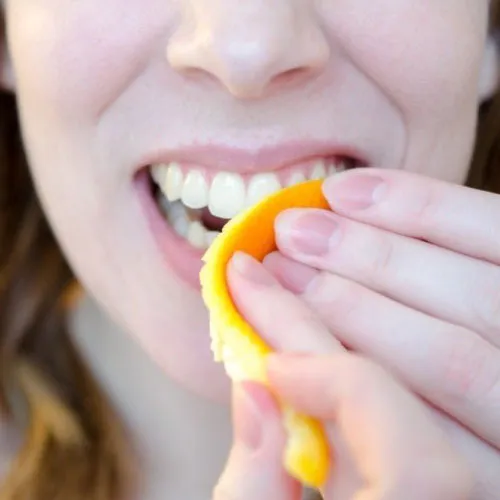
The most popular aspect of the banana teeth whitening myth involves the use of banana peels. Advocates suggest rubbing the inside of a banana peel on your teeth for a few minutes each day, claiming that it will gradually make your teeth whiter. They believe that the minerals and other substances in the peel can interact with the teeth to create a whitening effect. This has led many to believe that this is a simple and cost-effective alternative to professional treatments. However, the scientific basis for this is questionable.
The Reality of Banana Peels

In reality, banana peels have not been scientifically proven to whiten teeth effectively. While some people report seeing minor improvements, this is more likely due to the slightly abrasive nature of the peel, which may remove some surface stains. Bananas and their peels do not contain any significant concentrations of whitening agents. The primary components include fiber, vitamins, and minerals, none of which have a proven bleaching action on tooth enamel. Any perceived effect is usually marginal and temporary. It is also important to note that the texture could cause damage to the enamel.
Scientific Evidence
To date, there is a lack of credible scientific evidence supporting the teeth whitening claims of banana peels. While some small studies have explored the potential of certain fruit extracts in oral care, none have specifically targeted banana peels with positive results. The primary mechanism of whitening involves chemical reactions that break down stain molecules, but banana peels don’t facilitate this process. For scientifically proven methods, you should consult with a dentist or use products that are approved by dental professionals.
Myth 3 The Potassium in Bananas Does the Whitening
Another myth centers on the idea that the potassium in bananas is responsible for teeth whitening. Potassium is a mineral essential for various bodily functions, including maintaining proper cell function and regulating blood pressure. However, it has no known direct impact on teeth whitening. The belief likely arises from the presence of minerals, leading some to assume that they can magically interact with teeth to cause whitening, but this is untrue. It is important to know what the mineral actually does.
What Potassium Really Does

Potassium’s role in oral health is primarily indirect. It doesn’t whiten teeth. It supports overall health, including the health of your gums and the soft tissues in your mouth. Potassium aids in maintaining a healthy pH balance, which is crucial for preventing tooth decay and gum disease. The mineral does not break down stains or affect the color of your teeth. It is important for overall health and well-being, but not for teeth whitening. While potassium intake is beneficial, it won’t directly lead to a brighter smile. It is important to know what the mineral actually does.
Alternative Whitening Methods
If you’re seeking to whiten your teeth, explore proven methods such as professional whitening treatments from a dentist or the use of whitening toothpastes and strips containing hydrogen peroxide or carbamide peroxide. These products are designed to penetrate the enamel and break down stain molecules effectively. Consider other options like oil pulling, using baking soda (with caution due to its abrasiveness), or a whitening mouthwash. Always consult with your dentist to determine the best and safest option for your specific needs and oral health. These methods have been proven by science.
Myth 4 Rubbing a Banana on Your Teeth Replaces Professional Treatments
A common misconception is that rubbing a banana on your teeth can replace professional teeth whitening treatments. Professional treatments utilize potent bleaching agents and advanced technologies to deliver significant and lasting results. These treatments are administered under controlled conditions by trained dental professionals. They can achieve a much greater degree of whitening. The claims suggest that bananas offer an equivalent solution. However, the idea of banana whitening as a substitute for professional care is largely inaccurate.
Professional Whitening Options

Professional teeth whitening treatments, conducted by dentists, offer several advantages over DIY methods. They often involve higher concentrations of bleaching agents, such as hydrogen peroxide, which is effective at breaking down stubborn stains. The process can include in-office treatments, where results are achieved in a single session, or at-home custom trays with professional-strength bleaching gel. These treatments are customized to your specific needs and supervised by a dentist, ensuring the safety and effectiveness of the process. This ensures an efficient process and a significant change.
Cost and Effectiveness
While professional treatments are more expensive than banana whitening, they are far more effective and provide longer-lasting results. The cost of professional whitening varies depending on the type of treatment and the dentist’s fees. However, the investment is often justified by the significant improvement in tooth color. DIY methods may provide minimal, temporary improvements, but they cannot compare to the dramatic whitening achieved by professional treatments. The trade-off between cost and effectiveness highlights the benefits of professional care for achieving your desired smile.
Myth 5 Banana Whitening Is Safe for All Tooth Types
The final myth is that banana whitening is safe for all tooth types. While the method is considered relatively low-risk, it’s not entirely without potential drawbacks, especially for individuals with specific dental conditions. It is essential to take into account the current state of your teeth. You should consider your overall health. There are some potential risks of using this method on your teeth. It is important to know the potential drawbacks.
Sensitivity and Enamel

The slightly abrasive nature of banana peels could potentially harm individuals with sensitive teeth or compromised enamel. Over time, the friction from rubbing the peel on your teeth might wear down the enamel, making your teeth more vulnerable to sensitivity, decay, and discoloration. Those with pre-existing dental issues, such as cavities, cracks, or receding gums, should exercise caution as the peel could exacerbate these conditions. It is always better to err on the side of caution and consider any potential negative impacts before trying a new method.
Consulting Your Dentist
Before attempting any teeth whitening method, it is always wise to consult with your dentist. They can assess your oral health, identify any underlying issues, and recommend the safest and most effective treatments for your specific needs. They can offer valuable advice, taking into account the condition of your teeth and any potential risks associated with various whitening methods. They can also guide you toward proven and safe options. Your dentist will provide you with the best information for your specific case and provide the most beneficial advice.
In conclusion, the banana teeth whitening myth lacks scientific backing. While the idea may seem appealing, there’s no evidence that bananas or banana peels can effectively whiten teeth. The best approach for a brighter smile involves proven methods, such as professional treatments or whitening toothpastes. Always prioritize your oral health. It’s essential to be skeptical of DIY remedies and to consult with a dental professional for the most reliable and effective advice.