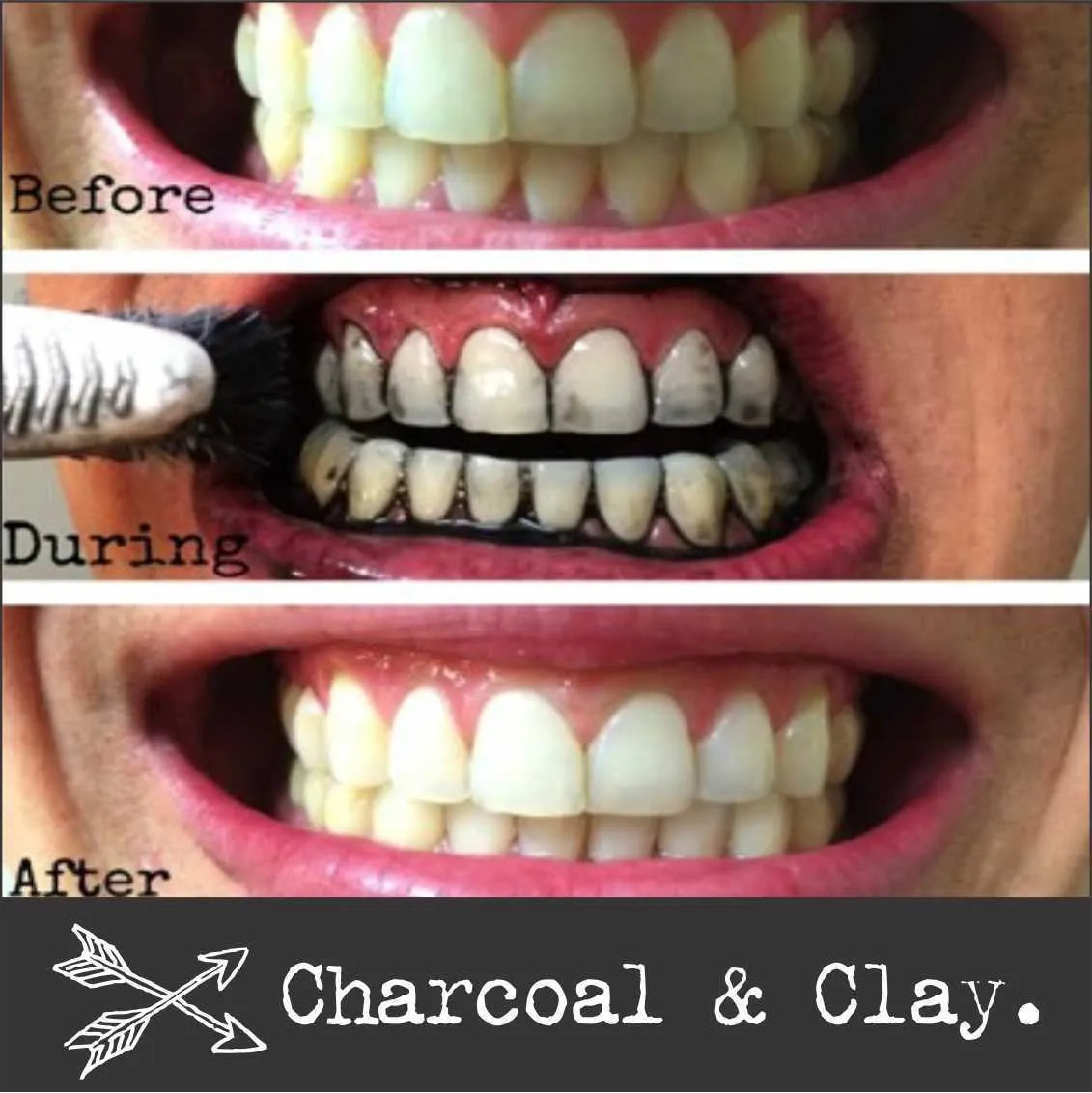
Understanding Charcoal Teeth Whitening
Charcoal teeth whitening has become a popular trend, promising a brighter smile with the use of activated charcoal. This method involves using charcoal, often in powder form, to brush your teeth. The appeal lies in its natural approach, attracting those seeking alternatives to chemical-based whitening treatments. But, before embracing this trend, it’s crucial to understand what charcoal teeth whitening entails and whether it’s a safe and effective option for achieving the desired results. Understanding the science and the potential risks will help you make an informed decision about incorporating this method into your oral hygiene routine. This guide aims to provide a comprehensive overview, ensuring you can whiten your teeth safely and effectively.
What is Activated Charcoal and How Does it Work?
Activated charcoal is a fine, black powder made from various sources like coconut shells, wood, or peat. It undergoes a special process called activation, which makes it highly porous. This porosity gives activated charcoal its unique ability to absorb substances. In the context of teeth whitening, activated charcoal is believed to work by attracting and binding to surface stains on teeth, such as those caused by coffee, tea, or tobacco. When you brush with activated charcoal, it’s supposed to lift these stains, revealing a brighter smile. The effectiveness of this method is a subject of debate. While some users report positive results, scientific evidence supporting its whitening claims is limited. More research is needed to fully understand its long-term effects.
The Science Behind Charcoal’s Whitening Effect

The mechanism behind activated charcoal’s whitening effect is primarily attributed to its abrasive nature and its ability to adsorb substances. Activated charcoal has a rough texture that can help scrub away surface stains. However, this same abrasiveness also poses a risk to the enamel, the protective outer layer of the teeth. The adsorption process involves the charcoal particles attracting and binding to stain molecules, potentially removing them from the tooth’s surface. Yet, it’s important to note that activated charcoal doesn’t chemically change the color of the teeth the way professional whitening treatments do. Instead, it primarily targets surface stains. The extent of the whitening effect can vary based on the type of stains, the concentration of charcoal, and the frequency of use.
Is Charcoal Whitening Safe for Your Teeth?
The safety of charcoal teeth whitening is a topic of considerable discussion. While some users report positive results without adverse effects, dentists often express concerns about potential risks. The primary concern revolves around the abrasiveness of activated charcoal. Over time, this abrasiveness can wear down the enamel, making teeth more susceptible to sensitivity, decay, and discoloration. It’s crucial to approach charcoal teeth whitening with caution and to be aware of the potential drawbacks. Consulting with a dentist is highly recommended before starting any new teeth whitening regimen, including the use of activated charcoal, to assess your oral health and determine if it is a suitable option for you. A dentist can provide personalized advice and help you make an informed decision.
Potential Risks and Side Effects of Charcoal Whitening
Using activated charcoal for teeth whitening carries several potential risks and side effects that you should be aware of. The most significant concern is enamel erosion. As mentioned before, the abrasive nature of charcoal can gradually wear down the enamel, leading to increased tooth sensitivity to hot and cold foods and drinks. This can be very uncomfortable and may require professional dental treatment. Furthermore, excessive use of charcoal can also contribute to gum irritation and inflammation. It can disrupt the natural balance of bacteria in your mouth, increasing the risk of infections. Additionally, charcoal can sometimes stain dental work, such as fillings and crowns, making them appear discolored. Being aware of these potential side effects is essential for making an informed decision.
Enamel Erosion and Tooth Sensitivity

Enamel erosion is one of the primary concerns associated with charcoal teeth whitening. The abrasive particles in charcoal can gradually wear away the enamel, which is the protective outer layer of your teeth. Once the enamel is damaged, the underlying dentin becomes exposed. Dentin contains tiny tubules that lead to the nerve of the tooth, making them highly sensitive. This exposure results in increased tooth sensitivity to hot, cold, sweet, or acidic foods and drinks. Over time, enamel erosion can worsen, leading to more significant dental problems, including increased risk of cavities and potential need for more invasive dental procedures. Therefore, you must carefully monitor your teeth for signs of sensitivity or enamel wear if you choose to use charcoal for teeth whitening.
Gingivitis and Gum Problems
Besides enamel erosion, charcoal whitening can also lead to gum problems. The abrasive nature of charcoal can irritate the gums, leading to gingivitis, which is inflammation of the gums. Symptoms of gingivitis include redness, swelling, and bleeding when brushing or flossing. Prolonged use of charcoal can worsen these symptoms, making your gums more sensitive and prone to infections. In severe cases, gingivitis can progress to periodontitis, a more serious form of gum disease. This can cause bone loss around the teeth, eventually leading to tooth loss. It is essential to maintain a good oral hygiene routine, including gentle brushing techniques, to prevent any potential gum problems when using charcoal. You should consult your dentist if you notice any signs of gum irritation.
How to Use Charcoal for Teeth Whitening Safely
If you decide to try charcoal teeth whitening, it’s essential to take steps to minimize the risks. Firstly, consult your dentist to ensure that your teeth and gums are healthy enough for this treatment. Your dentist can assess your oral health and provide personalized recommendations. Secondly, use charcoal sparingly, ideally no more than once or twice a week. This will help to minimize the potential for enamel erosion. Thirdly, use a soft-bristled toothbrush and brush gently, using light pressure. Avoid aggressive scrubbing, which can exacerbate the abrasive effects of the charcoal. Make sure to thoroughly rinse your mouth after brushing to remove any charcoal residue. Finally, pay attention to any changes in your teeth or gums. If you experience increased sensitivity or any signs of irritation, discontinue use immediately and consult your dentist.
Choosing the Right Charcoal Product

When selecting a charcoal product for teeth whitening, several factors should be considered. First, opt for products specifically designed for oral use. Avoid using charcoal from other sources, such as art supplies or grilling briquettes, which may contain harmful substances. Look for activated charcoal that is finely milled and free from added chemicals or abrasive agents. Consider the form of the product; charcoal powder is commonly used, but charcoal toothpaste and toothbrushes are also available. Evaluate the ingredients list carefully, ensuring there are no harsh additives that could irritate your gums or teeth. Research reviews and recommendations from trusted sources. Prioritize products from reputable brands and those that have undergone testing. Always consult with your dentist before using any new oral care product to ensure it’s appropriate for your dental health needs.
Proper Brushing Techniques for Charcoal Whitening
Proper brushing techniques are essential when using charcoal for teeth whitening to minimize potential harm to your enamel and gums. Use a soft-bristled toothbrush to gently brush your teeth. Wet the brush and apply a small amount of charcoal powder or toothpaste. Avoid using excessive pressure, as this can be abrasive. Use a circular motion, making sure to brush all surfaces of each tooth, including the front, back, and chewing surfaces. Brush for about two minutes. After brushing, rinse your mouth thoroughly with water to remove any charcoal residue. Be cautious about scrubbing too vigorously; focus on gentle movements to remove surface stains without causing harm. If you experience any sensitivity or gum irritation, reduce the frequency of use or discontinue the treatment, and consult with your dentist.
Frequency and Duration of Charcoal Whitening
When using charcoal for teeth whitening, the frequency and duration of use are crucial for minimizing potential risks. It is generally recommended to use charcoal sparingly, ideally no more than once or twice a week. Overuse can increase the risk of enamel erosion and gum irritation. When it comes to the duration of each brushing session, it is best to brush for about two minutes, the same as recommended for regular brushing. Be mindful of any changes in your teeth or gums while using charcoal. If you notice increased sensitivity, discontinue use immediately. Also, observe the appearance of your teeth, and stop use if you don’t see any visible improvements after a few weeks. Remember, charcoal is not a long-term solution for teeth whitening, and it should be used as part of a broader oral hygiene routine.
Alternative Teeth Whitening Methods

If you are concerned about the risks associated with charcoal teeth whitening, there are several alternative methods to consider. Professional teeth whitening treatments offer a safe and effective way to brighten your smile. These treatments, performed by a dentist, use stronger bleaching agents that penetrate the enamel to whiten the teeth. Another option is over-the-counter whitening products, such as whitening strips, gels, and toothpastes. These products contain lower concentrations of bleaching agents compared to professional treatments, and they can provide noticeable results over time. Maintaining good oral hygiene habits can also improve the appearance of your teeth. Brushing and flossing regularly helps to remove surface stains and plaque, while regular dental cleanings can remove built-up tartar. Diet plays a vital role. Avoiding foods and drinks that stain teeth, such as coffee, tea, and red wine, can help to maintain a brighter smile. By exploring these various methods, you can make an informed choice about how to achieve your desired results safely.
Professional Teeth Whitening Options
Professional teeth whitening is a highly effective and safe method for achieving a brighter smile. Dentists use a higher concentration of bleaching agents, such as hydrogen peroxide, to break down stains and whiten the teeth. The procedure typically involves applying the whitening agent to the teeth and then activating it with a special light or laser. This allows the whitening agent to penetrate the enamel and lighten the color of the teeth. Professional whitening is performed in a controlled environment, and the dentist can closely monitor the treatment to ensure the safety and effectiveness. It can also address any existing dental problems. Professional whitening offers faster and more dramatic results compared to over-the-counter products, making it a popular choice for those looking for significant improvement in their smile’s appearance. The effects can last for several months or even years, depending on the lifestyle and oral hygiene habits of the individual.
Over-the-Counter Whitening Products
Over-the-counter teeth whitening products are readily available and offer a convenient alternative for those seeking a brighter smile. Common products include whitening strips, gels, and toothpastes. Whitening strips are thin, flexible strips coated with a bleaching agent that you apply directly to your teeth. Gels are similar, but they are applied with a brush or tray. Whitening toothpastes contain mild abrasives or chemical agents. While these products can provide noticeable results, they typically contain lower concentrations of bleaching agents compared to professional treatments. It may take longer to see significant whitening effects. It is important to follow the product instructions carefully and to be aware of potential side effects, such as tooth sensitivity and gum irritation. It is also a good idea to consult your dentist before using any over-the-counter whitening products.
Maintaining a Healthy Smile After Whitening

After whitening your teeth, it’s essential to take steps to maintain your brighter smile and protect your oral health. Good oral hygiene habits are critical. Brush your teeth twice a day for two minutes with a fluoride toothpaste. Floss daily to remove plaque and food particles from between your teeth. Regular dental check-ups and cleanings are also essential. Visiting your dentist every six months allows them to assess your oral health and address any potential problems. Limit your intake of foods and drinks that can stain your teeth, such as coffee, tea, red wine, and dark-colored berries. Use a straw when consuming beverages that can stain your teeth. Consider using a whitening toothpaste or mouthwash to help maintain your results. Follow your dentist’s recommendations for maintaining a healthy smile after whitening, and enjoy your brighter and more confident smile.