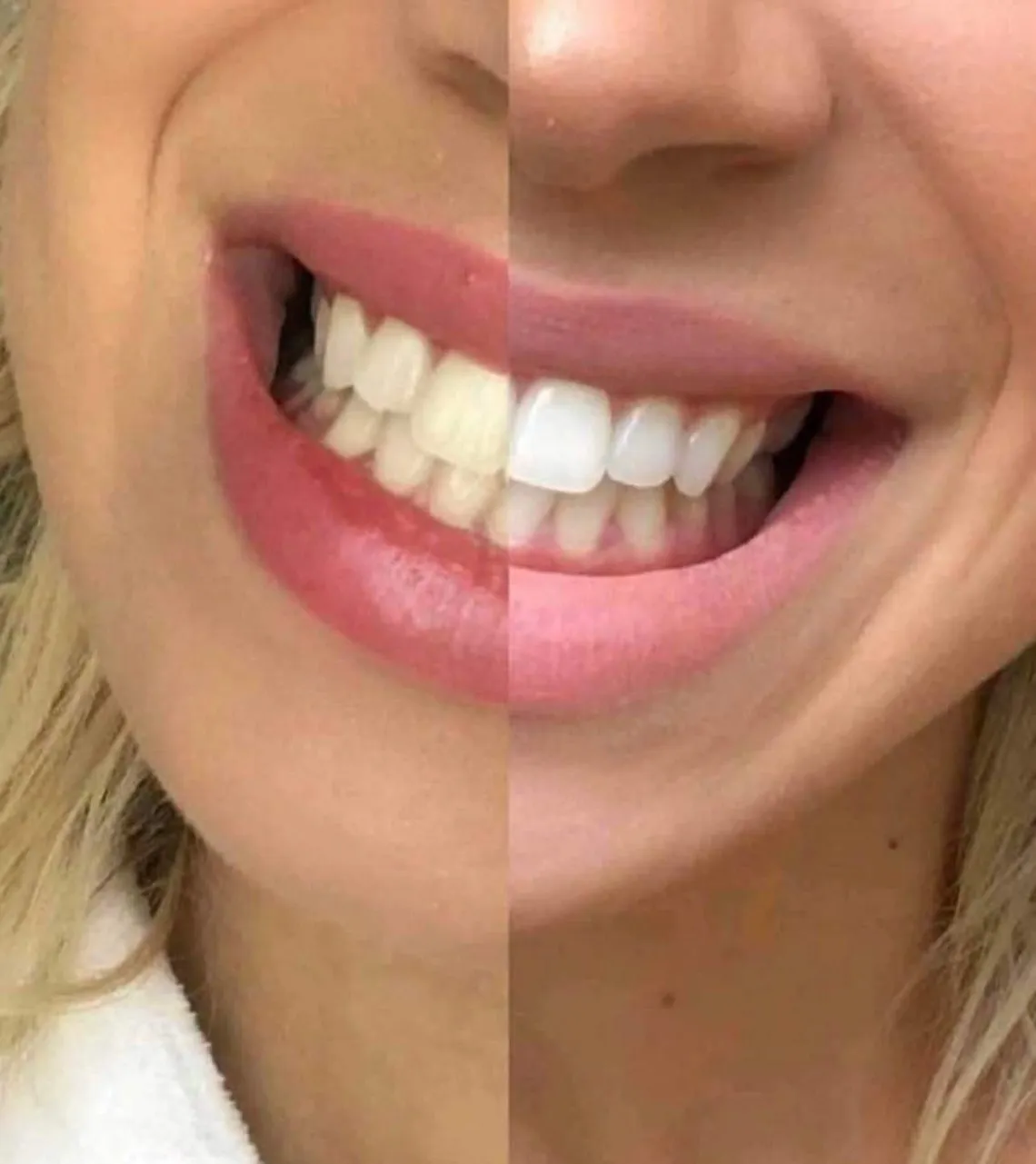
Crest vs Equate Strips [Top 5] Differences
Choosing the right teeth whitening solution can feel overwhelming with so many options available. Two popular choices are Crest Whitening Strips and Equate Whitening Strips, the latter often being a more budget-friendly alternative to the well-known Crest brand. This comparison dives deep into the key differences between these two types of whitening strips, helping you make an informed decision for a brighter, more confident smile. We’ll explore aspects like ingredients, effectiveness, pricing, ease of use, and potential side effects. Whether you’re a long-time Crest user considering a switch or a newcomer exploring whitening options, this guide is designed to provide a clear, concise overview of the Crest versus Equate debate.
Whitening Strip Basics Understanding the Players
Before we get into specifics, it’s helpful to understand the fundamental role whitening strips play in achieving a brighter smile. Whitening strips are a popular over-the-counter (OTC) teeth whitening method, designed to lift stains and discoloration from the surface of your teeth. These strips typically contain a peroxide-based whitening agent, which penetrates the enamel to break down stain molecules. These strips are generally applied to the teeth for a specified amount of time daily for a certain period, with results becoming visible over several days or weeks. They offer a convenient, relatively affordable way to enhance your smile from the comfort of your own home.
What are Whitening Strips?

Whitening strips are thin, flexible plastic strips coated with a whitening agent, usually hydrogen peroxide or carbamide peroxide. They are designed to be applied directly to the teeth, adhering to the enamel surface. These strips are pre-sized to fit the average tooth structure, ensuring that they make full contact with the teeth. They are easy to use and can be integrated into daily oral hygiene routines without requiring professional assistance or specialized equipment. They are used to lighten the existing color of teeth and can be used on the upper and lower teeth simultaneously, depending on the product.
How Whitening Strips Work
The whitening agent in the strips works by penetrating the enamel and breaking down the stain molecules. The peroxide molecules react with the discolored compounds, causing them to become less visible. The concentration of the whitening agent, along with the duration of application, determines the effectiveness of the strips. Most whitening strips are designed to be used once or twice daily, and the full effects usually become apparent after a few weeks of consistent use. The results, however, can vary depending on the nature of the stains, the individual’s tooth enamel, and adherence to the instructions.
Crest vs Equate Strip Comparison
Crest Whitening Strips, a product of Procter & Gamble, are widely recognized and often the first choice for many consumers looking to whiten their teeth at home. They are known for their established brand reputation and widespread availability. Equate Whitening Strips are typically a store brand or generic version, often found in retailers like Walmart. Equate strips often present an economical alternative to Crest, offering a similar product at a lower price point. The primary difference lies in the branding, pricing, and sometimes, slight variations in formula, which we will break down in detail.
Ingredient Differences

Both Crest and Equate whitening strips primarily use hydrogen peroxide as their active whitening ingredient. The concentration of hydrogen peroxide can vary between different products within each brand. Crest strips typically offer a range of concentrations, catering to different levels of whitening needs. Equate strips may also feature varying concentrations, but often focus on formulations that provide a balance of effectiveness and value. Other inactive ingredients in both include those necessary for the strip’s adhesion to teeth and to improve the taste and feel of the product. However, the specific formulation details can differ from product to product.
Whitening Power & Effectiveness
The effectiveness of whitening strips is contingent on the concentration of the active ingredient (usually hydrogen peroxide), the duration of use, and the individual’s tooth enamel. Crest, with its long history in dental care, offers a range of products that are generally well-regarded for their whitening capabilities. Equate strips often aim to match or closely approximate the whitening results of their Crest counterparts. Both brands can provide noticeable whitening results, though the degree of change can differ. With consistent use, both can help reduce the appearance of stains and brighten the teeth, but the specific impact varies from person to person, depending on their initial tooth shade and the nature of the stains.
Price and Value
Price is a significant factor for many consumers. Crest strips, due to their brand recognition and marketing, often come with a higher price tag. Equate, as a store brand, usually offers a more cost-effective option. The value derived from either brand depends not only on the price but also on the consumer’s satisfaction with the results. If Equate can deliver similar whitening effects at a lower cost, it represents better value for cost-conscious buyers. Crest might justify its price through more advanced formulations, added features, or a broader range of products. Consumers should consider both the immediate cost and the long-term benefits when assessing the value.
Ease of Use & Comfort

Both Crest and Equate whitening strips are designed to be user-friendly. They typically involve applying the strips to the teeth and wearing them for a specific period. The ease of use lies in their application process, the duration of wear, and how comfortably they fit on the teeth. Crest and Equate strive to produce strips that conform to the shape of teeth, minimizing any discomfort or difficulty during wear. The fit and feel of the strips can influence a user’s adherence to the recommended application schedule. Factors like the strip’s thickness, the taste of the whitening agent, and the overall sensation in the mouth can affect the user experience and thus influence the outcome.
User Reviews & Satisfaction
User reviews and customer satisfaction provide valuable insights into the performance of both Crest and Equate strips. Online reviews on platforms like Amazon, pharmacy websites, and consumer forums can reveal common trends and individual experiences. Reviews can highlight the effectiveness of the strips, any side effects experienced, and the overall customer satisfaction. Crest, being a more established brand, often has a larger pool of reviews. These reviews frequently speak to the reliability and consistent performance of the product. Equate reviews might focus more on the value proposition, with users often assessing the effectiveness in relation to the price. Reading a range of reviews can offer a balanced view, helping potential users assess which product might best meet their needs.
Side Effects and Safety Concerns
The use of whitening strips, regardless of brand, can potentially lead to side effects. The most common side effects are tooth sensitivity and gum irritation. These issues result from the peroxide-based whitening agent. Tooth sensitivity may manifest as a temporary discomfort when consuming hot or cold foods and drinks. Gum irritation can cause the gums to become inflamed or slightly sore. It is very important to follow the instructions carefully to minimize these risks. Some individuals might experience these side effects more intensely than others. Consulting a dentist is recommended if side effects persist or become severe.
Which Strips are Right for You?

The choice between Crest and Equate whitening strips depends on your individual priorities and preferences. If you seek a product from a well-known brand and are less concerned about the budget, Crest may be a suitable option. Crest products are also readily available in multiple strengths and formulations, which may be attractive. If you prioritize affordability, value, and are willing to compromise slightly on brand recognition, Equate could be a great choice. When making your decision, weigh the pros and cons of each brand, consider your budget, and assess the importance of factors like effectiveness and ease of use. It’s always a good idea to consult with your dentist before starting any teeth whitening regimen.