What is Hollywood Bright Teeth Whitening
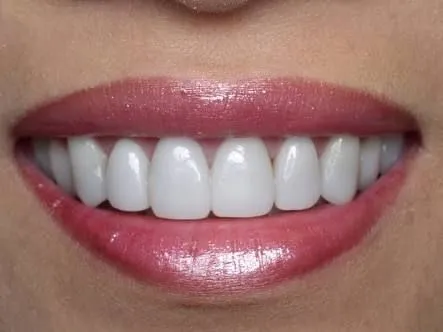
Hollywood bright teeth whitening represents the pinnacle of dental aesthetics, characterized by a brilliantly white, symmetrical, and healthy-looking smile. This sought-after look often graces the red carpets and movie screens, setting a standard for dental perfection. Achieving this level of brilliance typically involves a combination of professional treatments, meticulous oral hygiene, and lifestyle choices that prevent staining. It’s not just about the color; it’s about overall oral health, including the alignment and shape of the teeth, contributing to a confident and radiant appearance. This blog post will delve into the various methods and practices required to obtain a Hollywood-worthy smile.
The Science Behind Teeth Whitening
Understanding Enamel and Staining
Tooth enamel, the outermost layer of our teeth, is a hard, protective substance composed primarily of minerals. It’s naturally porous, meaning it has tiny holes that can absorb stains from foods, drinks, and tobacco. These stains accumulate over time, leading to discoloration. The natural color of teeth varies from person to person, ranging from shades of yellow to gray, and is influenced by genetics. External factors like diet and lifestyle habits also play a significant role in the staining process. Recognizing these elements is the initial stage in understanding how teeth whitening treatments work and how to prevent future staining. The integrity of the enamel and its porosity determine how susceptible teeth are to staining and how effectively whitening treatments can penetrate and lighten them.
How Whitening Works
Teeth whitening treatments function by utilizing bleaching agents, typically hydrogen peroxide or carbamide peroxide, to break down the stain molecules embedded within the enamel. These agents penetrate the enamel and oxidize the discolored molecules, rendering them colorless and thus brightening the teeth. The effectiveness of the whitening process depends on the concentration of the bleaching agent, the duration of its application, and the individual’s tooth structure. Professional treatments often employ higher concentrations of peroxide, providing faster and more dramatic results. Over-the-counter products have lower concentrations, resulting in slower but safer whitening. Understanding this mechanism allows individuals to make informed choices regarding the most suitable whitening method for their needs and expectations.
Effective Teeth Whitening Methods
Professional Whitening Treatments

Professional teeth whitening offers the most potent and efficient way to achieve a Hollywood-bright smile. Dentists can use higher concentrations of whitening agents, which can produce dramatic results in a single session. The treatments are performed under controlled conditions, minimizing the risk of sensitivity or other side effects. Professional whitening is also tailored to the individual’s specific needs, considering the nature and extent of the staining. In-office procedures often involve applying a protective gel to the gums and soft tissues before applying the whitening agent. This precision and care contribute to superior results and patient comfort. The guidance of a dental professional guarantees safe and effective whitening.
In-Office Whitening Procedures
In-office whitening procedures are designed for immediate and visible results. The dentist applies a high-concentration bleaching agent to the teeth, often in multiple sessions, and may use a special light or laser to activate the whitening process. This light exposure can accelerate the reaction, enhancing the whitening effect. Before the treatment, a thorough dental examination and cleaning are usually performed to ensure optimal results. The entire procedure typically takes about an hour, and patients can leave with a significantly brighter smile. The controlled environment ensures the safety and effectiveness of the whitening process. Patients usually experience some sensitivity in the days following the treatment, but this is temporary.
Take-Home Whitening Kits
Take-home whitening kits provide a convenient option for those who prefer to whiten their teeth at home. These kits often include custom-fitted trays made by a dentist and a lower-concentration bleaching agent. The dentist will instruct the patient on how to use the trays and the frequency and duration of the treatment. The benefit of custom trays is that they provide a more precise fit, ensuring even whitening and reducing the risk of gum irritation. Take-home kits usually require a few weeks of consistent use to achieve the desired results. This method is more gradual than in-office procedures, but it is still an effective option. It is essential to follow the dentist’s instructions to maximize the results and minimize any potential side effects.
Over-the-Counter Options

Over-the-counter (OTC) whitening products offer a more accessible and affordable way to whiten teeth. These products are available at most drugstores and supermarkets and are generally safe for use, provided the instructions are followed. However, the whitening effects are often less dramatic than those achieved with professional treatments. OTC options can still be a helpful way to gradually lighten teeth or maintain the results of a professional whitening treatment. It’s essential to evaluate the product’s active ingredients, the concentration of those ingredients, and whether the product is suitable for your individual needs and oral health conditions before starting. Always consult with a dental professional if you are unsure which OTC option is best for you.
Whitening Toothpastes
Whitening toothpastes contain mild abrasives or chemical agents that help remove surface stains from teeth. These toothpastes are designed to improve the brightness of teeth by removing stains caused by coffee, tea, or smoking. However, they generally do not change the underlying color of the teeth. The effectiveness of whitening toothpastes can vary, and they are typically more effective at preventing stains than reversing existing discoloration. It is important to note that excessive use of abrasive toothpastes can potentially wear down enamel, leading to increased sensitivity. Therefore, moderation and proper brushing techniques are essential. Whitening toothpastes can be a good addition to a daily oral hygiene routine but should not be solely relied upon for significant whitening results.
Whitening Strips and Gels
Whitening strips and gels are among the more effective OTC whitening products, containing a peroxide-based bleaching agent that can penetrate the enamel and lighten teeth. These products are typically applied directly to the teeth for a specified time, following the manufacturer’s instructions. The effectiveness of whitening strips and gels can vary depending on the concentration of the active ingredient and the duration of use. They can offer noticeable improvements in teeth brightness over several weeks. However, some individuals may experience temporary tooth sensitivity or gum irritation. It is vital to adhere to the product instructions and consult with a dentist if any adverse effects occur. Whitening strips and gels offer a more potent whitening effect compared to toothpastes, but they may not yield the same results as professional treatments.
Maintaining Your Hollywood Smile

Achieving a Hollywood-bright smile is only half the battle; maintaining it requires consistent care and attention. This involves incorporating several habits into your daily routine to prevent new stains and preserve the whitening effect. A combination of good oral hygiene practices, dietary adjustments, and regular dental check-ups is crucial for long-term success. It’s important to realize that teeth whitening is not a permanent solution, and the effects will gradually fade over time. By adopting these strategies, you can extend the life of your bright smile and keep it looking its best for years to come. Consistent effort is the key to maintaining the desired results.
Tips for Long-Lasting Results
To prolong the effects of teeth whitening, it is important to practice diligent oral hygiene. This includes brushing your teeth at least twice a day with a fluoride toothpaste, flossing daily to remove plaque and food particles from between your teeth, and using an antiseptic mouthwash to further reduce bacteria. Additionally, attending regular dental check-ups and cleanings every six months helps maintain oral health and identify any potential problems early on. Your dentist can also provide professional advice and treatments to help keep your smile bright and healthy. Consistent dental care and a good oral hygiene routine are essential for maintaining your Hollywood smile.
Dietary Considerations
What you eat and drink significantly impacts the longevity of your whitened smile. Certain foods and beverages are notorious for staining teeth. Minimizing or avoiding these can help maintain your results. Consider limiting your intake of coffee, tea, red wine, dark sodas, and berries. These items contain chromogens, which are pigments that adhere to the enamel, causing discoloration. When consuming these items, consider drinking water afterward or using a straw to minimize contact with your teeth. Additionally, include teeth-friendly foods in your diet, such as crunchy fruits and vegetables, which can help scrub away surface stains. A balanced diet that supports oral health will contribute to the lasting brilliance of your teeth.
Oral Hygiene Practices

Proper oral hygiene forms the foundation for keeping your teeth bright and healthy. Brushing your teeth twice a day for two minutes each time is vital. Use a soft-bristled toothbrush and fluoride toothpaste. Flossing daily is also crucial to remove plaque and food particles from between your teeth, where your toothbrush can’t reach. Consider using an antiseptic mouthwash to further reduce bacteria in your mouth. Regular dental check-ups and professional cleanings are essential for maintaining your oral health and removing any accumulated stains. A consistent and comprehensive oral hygiene routine will not only help maintain your teeth’s brightness but also prevent other dental issues.
Avoiding Staining Foods and Drinks
Avoiding or limiting staining foods and drinks is critical for preserving your bright smile. These items contain strong color pigments that can seep into the enamel’s pores and cause staining. Common culprits include coffee, tea, red wine, dark-colored sodas, and certain fruits and vegetables, such as berries and beets. Tobacco use is also a major contributor to teeth discoloration. If you consume these items, rinse your mouth with water immediately afterward or use a straw to reduce contact with your teeth. Additionally, consider brushing your teeth 30 minutes after consumption to remove any staining substances. Making conscious choices in your diet can significantly extend the life of your whitening results.
Common Questions About Whitening
Is Teeth Whitening Safe

Teeth whitening is generally considered safe when performed under professional supervision or when using over-the-counter products according to the manufacturer’s instructions. However, there are potential risks and side effects to be aware of. The most common side effect is temporary tooth sensitivity, which usually subsides within a few days. Gum irritation can also occur if the whitening agent comes into contact with the gums. Excessive or improper use of whitening products can potentially damage the enamel or lead to other dental problems. It’s crucial to consult with a dentist to ensure teeth whitening is appropriate for you and to receive guidance on safe practices. Following the recommended guidelines and seeking professional advice will help minimize any potential risks and ensure a safe and effective teeth whitening experience.
Who Is a Good Candidate
Not everyone is a suitable candidate for teeth whitening. Generally, individuals with healthy teeth and gums and who have surface stains are good candidates. Those with significant fillings, crowns, or veneers may find that the whitening agents do not affect these dental restorations. Pregnant or breastfeeding women are typically advised to avoid teeth whitening treatments due to a lack of safety data. Individuals with sensitive teeth or gum disease should consult a dentist before undergoing whitening. The best way to determine if you are a good candidate is to schedule a consultation with your dentist, who can assess your oral health and recommend the most appropriate and safe whitening method for you. Your dentist will consider your overall health, lifestyle, and desired outcomes to give you the best advice.
Potential Side Effects
While teeth whitening is generally safe, some potential side effects can occur. The most common is temporary tooth sensitivity, which can cause discomfort when consuming hot or cold foods and beverages. This sensitivity usually resolves within a few days after the treatment. Gum irritation is another potential side effect, especially if the whitening agent comes into contact with the gums. In rare cases, excessive whitening can cause enamel damage, although this is more common with overuse of strong whitening products. It’s essential to follow the instructions carefully and consult with a dental professional if you experience any adverse effects. Your dentist can provide guidance on managing side effects and ensuring the safety and effectiveness of the whitening process.