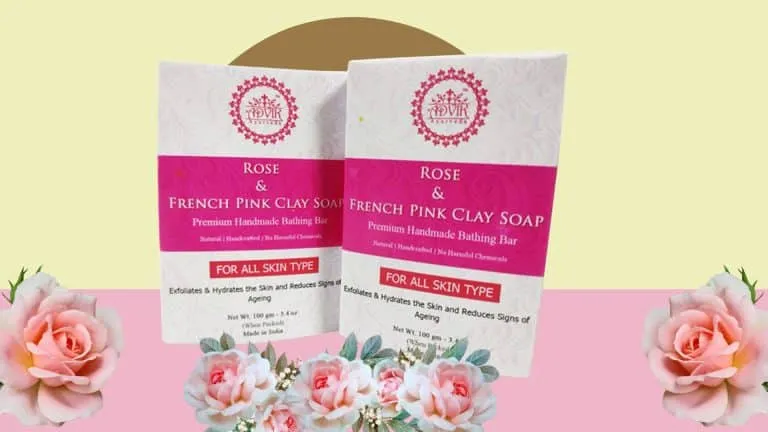
Understanding Skin Whitening Soaps
Skin whitening soaps have gained significant popularity as people seek to achieve a brighter, more even skin tone. However, understanding what these soaps are, how they work, and the ingredients they contain is crucial before incorporating them into your skincare routine. This ultimate guide provides you with the necessary information to make informed decisions and choose the right skin whitening soap for your needs. The quest for flawless skin often leads individuals to explore various skincare solutions, and skin whitening soaps have emerged as a readily accessible option for those aiming to address concerns like uneven skin tone, dark spots, and hyperpigmentation. The market is flooded with products, but not all are created equal. By delving into the specifics of these soaps, you’ll gain a clearer perspective and be better equipped to navigate the choices available.
What is Skin Whitening Soap?
Skin whitening soaps are formulated to lighten the skin by reducing the production of melanin, the pigment responsible for skin color. They typically contain ingredients that inhibit tyrosinase, an enzyme essential for melanin synthesis. These soaps are designed to be used regularly as part of a daily cleansing routine and can be found in various forms, including bars, liquids, and gels. The primary goal is to promote a more uniform complexion. These soaps are not just about altering skin tone, it is also about addressing specific skin concerns that may be caused by sun exposure, hormonal changes, or other factors. Many users also seek the soaps to address the appearance of scars, blemishes, and other imperfections, aiming for an overall improvement in skin appearance.
How Skin Whitening Soaps Work

The active ingredients in skin whitening soaps work through various mechanisms to reduce melanin production or increase its breakdown. Some ingredients, like hydroquinone, inhibit tyrosinase, while others, such as kojic acid and arbutin, offer similar effects. Vitamin C, another common ingredient, acts as an antioxidant and can help lighten skin by reducing melanin formation. The effectiveness of a skin whitening soap depends on the concentration of active ingredients, the frequency of use, and individual skin characteristics. The active ingredients interact at a cellular level, targeting the melanocytes, the cells responsible for producing melanin. These soaps usually don’t provide immediate results, and consistent, long-term use is often needed to see noticeable changes. It is also important to understand that the results can vary from person to person.
Ingredients to Look For
When selecting a skin whitening soap, it’s essential to pay attention to the ingredients. Some of the most effective and well-regarded ingredients include kojic acid, arbutin, vitamin C, niacinamide, and glutathione. Kojic acid is derived from fungi and inhibits tyrosinase. Arbutin, extracted from the bearberry plant, gradually releases hydroquinone. Vitamin C is a powerful antioxidant. Niacinamide helps reduce inflammation and improve skin tone. Glutathione is a potent antioxidant that helps detoxify the skin and lighten pigmentation. Always check the ingredient list and the concentration of active ingredients to ensure the soap is effective and safe for your skin type. It’s also important to consider the presence of potential irritants or allergens, especially if you have sensitive skin. Remember to start with a lower concentration of active ingredients to test your skin’s reaction. (skin-whitening-soap-ingredients.webp)
Choosing the Right Skin Whitening Soap
Skin Type Consideration

Your skin type plays a crucial role in determining which skin whitening soap is best suited for you. If you have dry skin, opt for soaps with moisturizing ingredients like glycerin or shea butter to prevent dryness. For oily skin, look for soaps that are oil-free and non-comedogenic to avoid clogged pores. If you have sensitive skin, choose soaps with gentle, hypoallergenic formulations and avoid those containing harsh chemicals, fragrances, or strong exfoliants. Carefully consider your skin’s unique needs and sensitivities to avoid irritation or adverse reactions. Those with sensitive skin should perform a patch test before using any new soap. Always patch test the soap on a small area of your skin (e.g., inner forearm) and observe for any signs of irritation or allergic reaction for at least 24 hours before full use. (skin-whitening-soap-skin-type.webp)
Assessing Your Skin Tone
Before starting any skin whitening regimen, evaluate your current skin tone and the areas you wish to lighten. This assessment will help you set realistic expectations and track your progress. Use a skin tone chart or consult with a dermatologist to determine your Fitzpatrick skin type. This information will assist you in choosing a soap with the right concentration of active ingredients. Understanding your skin tone is also important for setting realistic expectations about the results you can achieve. Skin whitening soaps cannot change your fundamental skin color, they will only help to reduce hyperpigmentation and even out your skin tone. Keeping track of your skin’s progress through photographs or regular check-ups can help you monitor any changes and assess the effectiveness of the product.
Researching Brands and Products
Researching different brands and products is essential to finding a skin whitening soap that aligns with your needs and preferences. Read reviews, compare ingredients, and consider the brand’s reputation. Check for products that have been tested by dermatologists or are recommended by skincare professionals. Look for soaps that offer a balance between effectiveness and gentleness. Reviews from other users can provide valuable insights into the product’s performance and potential side effects. Comparing ingredients allows you to see the formulation and concentrations of active ingredients. Pay attention to the brand’s sourcing, manufacturing processes, and commitment to ethical and sustainable practices. (skin-whitening-soap-brands.webp)
Factors to Consider Before Buying

Before purchasing a skin whitening soap, consider factors such as your skin type, the active ingredients, any known allergies, and your budget. Make sure the product is suitable for your skin type and that the active ingredients are safe for your use. Check the product’s safety certifications and whether it has been approved by relevant health authorities. Determine if you prefer a bar soap, liquid soap, or gel-based formula. Consider the scent, texture, and ease of use. Read reviews from other users to gauge the product’s effectiveness and potential side effects. Consider your budget, as prices vary significantly. Evaluate the value you are getting by comparing the ingredients, size, and any additional benefits. (skin-whitening-soap-buying-guide.webp)
Benefits of Using Skin Whitening Soap
Improved Skin Tone
The primary benefit of skin whitening soap is the potential for an improved skin tone. By reducing melanin production, these soaps can help even out skin discolorations and reduce the appearance of dark spots and hyperpigmentation. Regular use can lead to a more uniform and brighter complexion. While the effect will be gradual, it can lead to a noticeable difference in skin appearance over time. Many users report that their skin appears more radiant and youthful. It is important to combine the use of the soap with other skincare practices, such as using sunscreen, for best results. This can boost your overall skin health and enhance the effectiveness of the soap. (skin-whitening-soap-tone.webp)
Reduced Dark Spots

Skin whitening soaps can also help reduce the appearance of dark spots caused by sun damage, aging, or acne scars. Ingredients like kojic acid, arbutin, and vitamin C work to fade these spots over time, leading to a more even skin tone. These soaps target the excess melanin in localized areas, causing them to lighten. The process involves the gradual reduction of melanin production in these spots, making them less visible. Regular use, coupled with consistent skincare practices, such as sunscreen, can significantly improve the appearance of dark spots and overall skin clarity. Some soaps are specifically formulated with ingredients to target and reduce the appearance of these spots.
Enhanced Skin Texture
Some skin whitening soaps contain ingredients that can improve skin texture. Certain formulations include gentle exfoliants or ingredients that promote cell turnover, which can lead to smoother, more refined skin. This process helps remove dead skin cells and reveal fresh, radiant skin underneath. Enhanced skin texture can contribute to a more youthful appearance and improve the effectiveness of other skincare products. Combining this with regular exfoliation can improve the skin’s ability to absorb other skincare products. Improved skin texture enhances the overall feel and appearance of the skin. (skin-whitening-soap-texture.webp)
Potential Risks and Side Effects
Common Side Effects

While skin whitening soaps can offer several benefits, it’s essential to be aware of potential risks and side effects. Common side effects include skin irritation, dryness, redness, and itching. More severe side effects can include chemical burns, especially if the soap contains high concentrations of harsh ingredients. Overuse or the use of inappropriate products can lead to skin sensitivity and increased vulnerability to sun damage. It is important to use any new skincare product cautiously and perform a patch test before full use. Monitor your skin carefully for any adverse reactions, and discontinue use if irritation occurs. Always follow the product instructions and never exceed the recommended frequency of use. (skin-whitening-soap-risks.webp)
When to Consult a Dermatologist
Consult a dermatologist if you experience persistent skin irritation, severe reactions, or if your skin condition worsens while using skin whitening soap. A dermatologist can provide expert advice and recommend alternative treatments or products that are safer and more effective for your skin. A dermatologist can help identify the cause of skin issues and provide treatment plans for more serious conditions. If you are unsure about which products to use or have sensitive skin, it is always best to consult with a dermatologist before starting any new skincare regimen. Seek professional advice for any persistent or severe skin issues. (skin-whitening-soap-dermatologist.webp)
How to Use Skin Whitening Soap Effectively
Daily Routine and Frequency

Incorporate skin whitening soap into your daily cleansing routine. Wet your skin with lukewarm water, lather the soap, and gently massage it onto your face and body. Rinse thoroughly and pat your skin dry. Follow with a moisturizer to keep your skin hydrated. The frequency of use will depend on the specific product and your skin type. Most soaps can be used once or twice a day. Avoid over-washing, which can lead to dryness and irritation. Consistency is key to achieving the desired results. Adhere to the product instructions and avoid using excessive amounts. Start with less frequent usage to see how your skin reacts. (skin-whitening-soap-routine.webp)
Combining with Other Skincare Products
To enhance the effectiveness of skin whitening soap, combine it with other skincare products that address your specific concerns. Use a broad-spectrum sunscreen with an SPF of 30 or higher daily to protect your skin from further sun damage, which can worsen hyperpigmentation. Apply a hydrating moisturizer to combat dryness and maintain skin health. Consider incorporating serums or creams with ingredients like vitamin C or niacinamide to boost the skin-lightening effects. Avoid combining skin whitening soaps with other harsh or exfoliating products unless advised by a dermatologist. When combining products, introduce them gradually to monitor your skin’s reactions. (skin-whitening-soap-products.webp)
What to Avoid
Avoid using skin whitening soaps on broken skin, wounds, or irritated areas. Avoid harsh scrubbing or excessive rubbing, which can cause further irritation. Limit sun exposure, as the skin can become more sensitive to the sun. Avoid using multiple skin whitening products simultaneously, especially those with strong active ingredients, without consulting a dermatologist. Ensure that you do not use expired products. Always follow product instructions carefully and discontinue use if you experience any adverse reactions. Be cautious when mixing different skincare products, and consult with a professional before combining multiple active ingredients.
Skin Whitening Soap Alternatives
Other Skin Lightening Methods
If skin whitening soaps are not suitable for you, or if you’re seeking alternatives, explore other skin lightening methods. These include topical treatments like hydroquinone creams, retinoids, or vitamin C serums. Chemical peels and laser treatments performed by a dermatologist can also address hyperpigmentation. Consider natural remedies like aloe vera, licorice extract, or turmeric, which are known for their skin-lightening properties. The choice of method depends on your skin type, the severity of the issue, and your preferences. Always consult with a dermatologist before starting any new treatment. These methods offer different approaches, and it is essential to choose the option that best suits your skin and goals. (skin-whitening-soap-alternatives.webp)
Comparing Soaps with Other Treatments
Skin whitening soaps are just one option. Comparing them with other treatments helps in making an informed decision. Topical creams, such as those containing hydroquinone, often have higher concentrations of active ingredients and may offer more rapid results, but they can also pose a higher risk of side effects. Chemical peels and laser treatments are performed by professionals and can provide more dramatic results, but they are often more expensive and require downtime. The best choice depends on individual needs, skin type, and the desired outcome. Evaluate the pros and cons of each method, considering factors like effectiveness, cost, potential side effects, and the level of professional supervision needed. (skin-whitening-soap-comparing.webp)