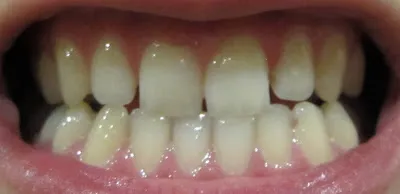
Understanding Tooth Whitening Results
Achieving a brighter, whiter smile is a common goal for many. Tooth whitening has become a popular cosmetic dental procedure, offering a relatively quick and effective way to enhance your appearance. However, understanding the factors that influence tooth whitening results is crucial to setting realistic expectations and achieving the best possible outcome. This article will explore the various aspects of tooth whitening, providing insights into how different treatments work, what impacts the final results, and how you can maximize the effectiveness of your chosen method. Whether you’re considering professional teeth whitening or exploring at-home options, this guide will equip you with the knowledge you need to get amazing tooth whitening results.
Factors Influencing Tooth Whitening Results
Several factors play a significant role in determining the success and longevity of your tooth whitening results. These include the type of whitening treatment you choose, your oral health, and your lifestyle habits. Understanding these factors can help you make informed decisions about your whitening journey and manage your expectations. It’s important to remember that individual results vary, and what works for one person might not work the same way for another. By considering these key elements, you can take steps to optimize your chances of achieving a dazzling, white smile that you’ll be proud to show off.
The Type of Whitening Treatment

The type of whitening treatment you select is a primary determinant of your tooth whitening results. Different methods employ varying concentrations of bleaching agents and application techniques, leading to diverse levels of effectiveness. Understanding the pros and cons of each type will help you choose the most suitable option for your needs and desired outcome. The choice between professional and at-home treatments depends on factors such as the extent of staining, your budget, and your commitment to following instructions. Keep in mind that some methods are more effective for certain types of stains than others. Consulting with a dentist can provide personalized recommendations and ensure the safety and efficacy of the chosen treatment.
Professional Teeth Whitening
Professional teeth whitening, often performed in a dental office, typically yields the most dramatic and immediate results. This method utilizes high-concentration bleaching agents, such as hydrogen peroxide, applied directly to the teeth by a dental professional. The process often involves isolating the gums and soft tissues to protect them from the bleaching agent. A special light or laser might be used to accelerate the whitening process, enhancing its effectiveness. Professional whitening is ideal for individuals seeking rapid and significant improvements in tooth color. While the initial cost is generally higher than at-home options, the results are often more noticeable and can last longer, especially when combined with proper maintenance and care. A dentist can assess your oral health and recommend the most appropriate professional whitening treatment for your specific needs.
At-Home Whitening Kits
At-home whitening kits offer a more convenient and budget-friendly alternative to professional treatments. These kits typically contain custom-fitted trays or strips filled with a lower concentration of bleaching agents. At-home options require consistent use over a period of time to achieve noticeable results. The effectiveness of at-home kits varies depending on the product’s formulation and the individual’s adherence to the instructions. Over-the-counter products are readily available, while dentists can also provide custom-made trays and stronger whitening solutions. It’s crucial to follow the product’s instructions carefully and consult with a dentist before starting to ensure safety and avoid potential side effects. The benefit of these kits is the ability to whiten at your own pace.
Your Oral Health

The condition of your oral health significantly impacts the efficacy of tooth whitening treatments. Before undergoing any whitening procedure, it is essential to address any existing dental issues. Conditions like cavities, gum disease, or tooth sensitivity can affect the results and potentially cause discomfort during the whitening process. A healthy foundation is critical for achieving the best outcomes and maintaining a bright smile. Your dentist will assess your oral health during a consultation and recommend any necessary treatments before proceeding with tooth whitening. Maintaining good oral hygiene, including regular brushing, flossing, and dental check-ups, contributes to a successful outcome.
Enamel Thickness
Enamel thickness plays a crucial role in the effectiveness of tooth whitening. Enamel is the outermost layer of your teeth, and its thickness varies from person to person. Thicker enamel generally responds better to whitening treatments because it provides a greater surface area for the bleaching agents to act upon. Individuals with naturally thinner enamel may experience less dramatic results or increased sensitivity during the whitening process. A dentist can evaluate your enamel thickness and adjust the treatment plan accordingly, taking into consideration the potential for sensitivity and the desired level of whitening. Understanding your enamel thickness helps set realistic expectations and ensures the chosen whitening method is appropriate for your dental structure. This information is particularly important when it comes to choosing between the different methods.
Stain Types and Severity
The type and severity of stains significantly influence the results of tooth whitening. External stains, such as those caused by coffee, tea, or tobacco, typically respond well to whitening treatments. These stains are often on the surface of the enamel and can be effectively removed with bleaching agents. Internal stains, on the other hand, are located deeper within the tooth structure and may be more challenging to address. These stains can be caused by factors like aging, certain medications, or dental trauma. The severity of the stains also impacts the outcome; more severe stains often require multiple whitening sessions or a stronger bleaching agent to achieve the desired results. Your dentist can assess the type and severity of your stains to determine the most appropriate whitening approach.
How to Maximize Your Tooth Whitening Results

To achieve and maintain stunning tooth whitening results, you need to adopt a comprehensive approach that includes choosing the right whitening method, diligently following treatment instructions, and implementing habits that promote a bright smile. This includes both the initial whitening phase and the maintenance phase. By combining these strategies, you can significantly improve the effectiveness of your chosen whitening method and extend the lifespan of your results, ensuring a confident and radiant smile for years to come. Consistency and attention to detail are the keys to maximizing your investment in a brighter, whiter smile.
Choosing the Right Whitening Method
Selecting the appropriate whitening method is the first step toward maximizing your results. Consider factors such as the severity of your stains, your budget, and your commitment to follow instructions. Professional teeth whitening offers the most dramatic results, but it is also the most expensive option. At-home whitening kits provide a more affordable alternative, but they require consistent use and may take longer to produce noticeable improvements. Consulting with your dentist is essential to determine the most suitable treatment based on your specific needs and oral health. Your dentist can assess your tooth shade, enamel thickness, and the type of stains to recommend the best course of action. Consider the various methods to come to an informed decision.
Following Treatment Instructions
Carefully adhering to the instructions provided with your chosen whitening method is essential for achieving the best possible results and preventing potential side effects. Whether you opt for professional or at-home whitening, follow the recommended application duration, frequency, and any specific guidelines outlined by your dentist or the product manufacturer. In the case of at-home kits, this includes using the trays or strips for the specified amount of time each day and not exceeding the recommended treatment period. With professional treatments, follow your dentist’s post-whitening care instructions carefully. Skipping steps or deviating from the instructions can compromise the effectiveness of the treatment and potentially lead to uneven results or increased sensitivity. Always prioritize your oral health by following the guidance of professionals.
Maintaining a Bright Smile

Maintaining a bright smile after tooth whitening requires adopting habits that prevent new stains from forming and help preserve the results of your treatment. This includes making mindful choices about your diet, practicing diligent oral hygiene, and scheduling regular dental check-ups and cleanings. By incorporating these practices into your daily routine, you can extend the lifespan of your whitening results and enjoy a confident smile for a longer period. Consistent effort and attention to detail are crucial for preserving the investment you’ve made in your teeth whitening. Good habits make a huge difference in the longevity of the whitening process.
Dietary Habits
Your dietary habits significantly influence the longevity of your tooth whitening results. Certain foods and beverages are known to stain teeth, including coffee, tea, red wine, dark sodas, and berries. Reducing your consumption of these items or consuming them in moderation can help prevent new stains from forming. Rinsing your mouth with water or brushing your teeth after consuming staining foods and drinks can also minimize their impact. Incorporating whitening-friendly foods into your diet, such as apples, celery, and carrots, can help naturally clean your teeth and contribute to a brighter smile. Making conscious food choices is key to maintaining your newly whitened teeth and enjoying your brighter smile for as long as possible.
Oral Hygiene Practices
Consistent oral hygiene practices are paramount for maintaining the results of tooth whitening. Brushing your teeth at least twice a day with a whitening toothpaste helps remove surface stains and prevent the buildup of plaque and tartar. Flossing daily removes food particles and bacteria from between your teeth, where stains can accumulate. Consider using a mouthwash to further enhance your oral hygiene routine and combat stains. Regular dental check-ups and professional cleanings are essential for removing stubborn stains and plaque that brushing and flossing alone cannot eliminate. Your dentist can assess your oral health and recommend any necessary treatments to maintain your bright smile.
Realistic Expectations for Tooth Whitening Results

It’s essential to approach tooth whitening with realistic expectations. While these treatments can significantly improve the brightness and appearance of your smile, they may not always achieve perfect results. Factors such as the initial shade of your teeth, the type and severity of stains, and your individual enamel characteristics influence the final outcome. Understanding these limitations helps you avoid disappointment and appreciate the improvements achieved. Consult with your dentist to discuss your expectations and determine the most appropriate whitening method for your specific situation. Remember that the goal is often a brighter, healthier-looking smile, and the results can boost your confidence and overall well-being. Setting reasonable goals will help you be happy about the results.