Why Whiten Invisalign Trays?
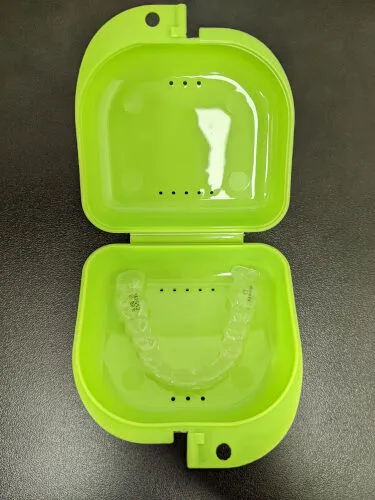
Maintaining the clarity and cleanliness of your Invisalign trays is essential not only for aesthetic reasons but also for oral health. Over time, Invisalign trays can become discolored due to various factors, diminishing their transparency and making them more noticeable. Whitening your trays helps restore their original appearance, ensuring they remain discreet during your treatment. This guide provides an ultimate approach, equipping you with the necessary knowledge and methods to effectively whiten your Invisalign trays, ensuring a brighter, healthier smile.
Aesthetic Benefits of Whitening Invisalign Trays
The primary advantage of whitening your Invisalign trays is the enhancement of their aesthetic appeal. Clear aligners are designed to be virtually invisible, allowing you to straighten your teeth without the conspicuousness of traditional braces. Discolored trays, however, can become yellowed or stained, negating this benefit and drawing unwanted attention to your teeth. Whitening your trays helps maintain their transparency, ensuring they blend seamlessly with your teeth, boosting your confidence throughout the treatment process. A bright, clear smile is not only pleasing but also contributes to a positive self-image, which is crucial during orthodontic treatment.
Maintaining Oral Hygiene with Clear Aligners

Beyond aesthetics, whitening Invisalign trays contributes to better oral hygiene. Stained or discolored trays can harbor bacteria and plaque, potentially leading to oral health problems such as tooth decay and gum disease. Keeping your aligners clean and clear minimizes the risk of these issues, protecting your teeth and gums during the orthodontic process. Regular cleaning and whitening prevent the buildup of harmful substances, ensuring your mouth remains healthy. Maintaining oral hygiene with clear aligners means not only cleaning the trays but also brushing and flossing your teeth thoroughly before reinserting them, creating a comprehensive approach to dental care.
Understanding the Types of Stains
Before whitening your Invisalign trays, it’s important to understand the different types of stains that can affect them. Stains can be broadly categorized into surface stains and internal discoloration, each requiring a slightly different approach for effective removal. Recognizing the type of stain will help you choose the most appropriate cleaning and whitening method, ensuring optimal results. This understanding allows you to tailor your cleaning routine to address the specific issues affecting your trays, maximizing their clarity and effectiveness.
Surface Stains vs. Internal Discoloration
Surface stains are those that affect the outer layer of the Invisalign trays and are typically caused by food, drinks, and other substances that come into contact with the trays. These stains are usually easier to remove with gentle cleaning methods. Internal discoloration, on the other hand, penetrates deeper into the material of the trays, often resulting from prolonged exposure to staining agents or improper cleaning techniques. Internal stains may be more difficult to remove and may require more intensive cleaning methods or, in some cases, may not be entirely reversible. Differentiating between these two types helps determine the best course of action for restoring the trays’ clarity.
Causes of Discoloration in Invisalign Trays

Several factors can contribute to the discoloration of your Invisalign trays. Understanding these causes can help you prevent staining and maintain the clarity of your aligners throughout your treatment. From dietary habits to cleaning practices, each factor plays a role in the overall appearance of your trays and the success of your whitening efforts. By addressing these causes, you can minimize the risk of staining and keep your aligners looking their best.
Food and Drink Consumption
Consuming certain foods and drinks can significantly contribute to Invisalign tray discoloration. Beverages like coffee, tea, red wine, and dark-colored sodas are notorious for staining the trays. Similarly, highly pigmented foods such as berries, curries, and tomato-based sauces can also cause staining. To minimize discoloration, it is recommended to remove your trays before consuming these items. If you do consume them with the trays in, rinse your trays and brush your teeth immediately afterward to reduce the likelihood of staining. Being mindful of your diet can significantly impact the longevity and clarity of your trays.
Poor Oral Hygiene Practices
Poor oral hygiene practices can also lead to tray discoloration and staining. Failing to brush your teeth thoroughly before reinserting your trays traps food particles and bacteria, which can then stain the aligners. Inadequate flossing allows plaque and debris to accumulate, contributing to discoloration. Additionally, not rinsing your trays after eating or drinking further increases the risk of staining. Adopting a consistent and comprehensive oral hygiene routine, including brushing, flossing, and rinsing, is crucial for maintaining both your oral health and the appearance of your Invisalign trays.
Ineffective Cleaning Methods
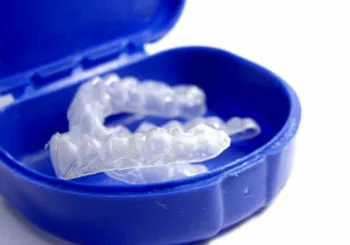
Using ineffective cleaning methods can also contribute to tray discoloration. Using abrasive cleaners, such as harsh toothpastes or abrasive cleaning solutions, can scratch the surface of the trays, making them more susceptible to staining. Not cleaning your trays regularly or allowing them to dry out without proper storage can also promote the buildup of stains and discoloration. It is essential to use gentle cleaning methods and to clean your trays frequently, following the guidelines recommended by your orthodontist. This will help to protect the trays and maintain their appearance.
The Best Methods for Whitening Invisalign Trays
Several effective methods can be employed to whiten your Invisalign trays, restoring their clarity and maintaining their aesthetic appeal. These methods range from simple, everyday techniques to more specialized approaches using specific products. By choosing the right methods and following the proper instructions, you can ensure your trays remain clean and transparent throughout your treatment, allowing you to enjoy a bright and confident smile. Remember that consistency and proper technique are key to achieving the best results.
Cleaning with Mild Soap and Water
The simplest and most basic method for cleaning Invisalign trays involves using mild soap and lukewarm water. Gently brush the trays with a soft-bristled toothbrush, ensuring you reach all surfaces, especially the areas that come into contact with your teeth. Rinse thoroughly to remove any soap residue. This method is suitable for daily cleaning and helps prevent the buildup of plaque and minor surface stains. Avoid using hot water, which can warp the trays. Regular cleaning with mild soap and water is a fundamental step in maintaining the cleanliness and appearance of your aligners. (image cleaning-invisalign-trays-with-soap.webp)
Using Retainer Brite or Similar Products

Retainer Brite or similar effervescent cleaning tablets are designed to effectively clean and disinfect clear retainers and Invisalign trays. These tablets typically contain effervescent agents that create a solution that removes stains and bacteria. To use them, dissolve a tablet in a cup of lukewarm water, then soak your trays for the recommended time, usually around 15-20 minutes. Rinse the trays thoroughly afterward. These products provide a deeper clean than soap and water alone and can help to eliminate odors and discoloration. Always follow the product instructions for optimal results.
The Role of Hydrogen Peroxide
Hydrogen peroxide is a mild antiseptic and bleaching agent that can be effective in whitening Invisalign trays. It works by oxidizing staining compounds, helping to restore the trays’ transparency. Hydrogen peroxide is readily available and can be used in various concentrations for cleaning. When used correctly, it can help to remove stains and brighten the appearance of your aligners. However, proper usage is crucial to avoid any damage to the trays. Always handle hydrogen peroxide with care and follow the recommended guidelines for safe and effective use. (image invisalign-trays-hydrogen-peroxide.webp)
Hydrogen Peroxide Concentration and Usage
When using hydrogen peroxide, it’s important to use the correct concentration and follow the proper usage instructions. Typically, a 3% hydrogen peroxide solution is recommended for cleaning Invisalign trays. To use, soak the trays in a solution of hydrogen peroxide and water for a short period, usually around 30 minutes. Rinse thoroughly with water afterward. Avoid using higher concentrations, as they can damage the trays. Always test the solution on a small, inconspicuous area of the tray first to ensure it doesn’t cause any discoloration or damage. If you experience any adverse effects, discontinue use and consult with your orthodontist.
Using Baking Soda Paste for Whitening

Baking soda is a mild abrasive that can help remove surface stains from your Invisalign trays. Creating a paste with baking soda and water can provide a gentle yet effective cleaning solution. Apply the paste to your trays and gently brush them with a soft-bristled toothbrush. Rinse thoroughly with water after brushing. Baking soda is a cost-effective and readily available cleaning agent. However, use it cautiously, as excessive or aggressive brushing can potentially scratch the trays’ surface. Using baking soda regularly can contribute to keeping your trays clean and clear, enhancing your overall treatment experience. (image baking-soda-paste-for-whitening.webp)
Applying Baking Soda Safely
When applying baking soda paste, it is crucial to do so safely to avoid damaging your Invisalign trays. Mix a small amount of baking soda with water to form a paste. Apply the paste gently to the trays, avoiding excessive pressure during brushing. Use a soft-bristled toothbrush to minimize the risk of scratching. Rinse the trays thoroughly with water after cleaning to remove any residue. Overuse or excessive force can damage the trays. Therefore, gentle and careful application is essential for effective cleaning without compromising the integrity of your aligners. Regular cleaning and careful application ensures the longevity of the trays.
Whitening Toothpaste for Trays [Is It Effective?]
While whitening toothpaste is effective for cleaning teeth, it’s generally not recommended for cleaning Invisalign trays. Many whitening toothpastes contain abrasive particles that can scratch the surface of the trays, making them more susceptible to staining and clouding their appearance. Moreover, the chemicals in whitening toothpaste may not be compatible with the tray material and could potentially cause damage over time. It is always best to use cleaning methods specifically designed for Invisalign trays to prevent any damage. If you have any concerns, consult with your orthodontist for specific advice and recommendations.
Things to Avoid When Whitening Invisalign Trays
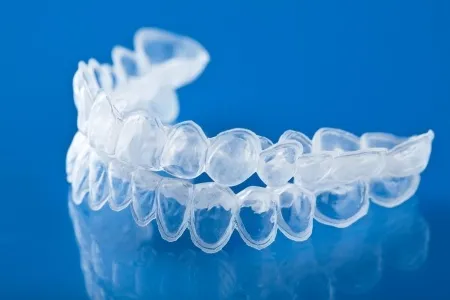
Certain cleaning methods and substances should be avoided when whitening Invisalign trays, as they can cause damage or reduce the effectiveness of the treatment. Understanding what to avoid is just as important as knowing what to use. Avoiding these harmful practices ensures that your aligners remain in optimal condition and that your orthodontic treatment progresses smoothly. It is essential to follow the guidelines provided by your orthodontist to maintain the integrity of your trays.
Using Abrasive Cleaners
Avoid using abrasive cleaners, such as harsh toothpastes, scouring pads, or abrasive cleaning solutions. These products can scratch the surface of your Invisalign trays, creating microscopic crevices that attract stains and bacteria. This can lead to discoloration, making your trays appear cloudy and less clear. Moreover, scratches can weaken the material of the trays, potentially affecting their fit and effectiveness. Gentle cleaning methods, like mild soap and water or solutions specifically designed for clear aligners, are always preferable to maintain the integrity and appearance of your trays.
Boiling or Using Extremely Hot Water
Never boil your Invisalign trays or use extremely hot water for cleaning. The high temperatures can warp the plastic material of the trays, altering their shape and rendering them ineffective. Warped trays will not fit properly on your teeth, which will affect your teeth alignment. Always use lukewarm or cool water for cleaning. If your trays are damaged because of high temperatures, you’ll need to replace them. This can disrupt your treatment and incur additional costs. Be careful to maintain moderate temperatures when cleaning or soaking your trays.
Using Harsh Chemicals
Avoid using harsh chemicals, such as bleach, strong detergents, or other corrosive substances, to clean your Invisalign trays. These chemicals can damage the tray material, leading to discoloration, weakening, or even complete degradation. The chemicals can also pose a health risk if traces remain on the trays and are ingested. Opt for gentle, non-toxic cleaning solutions that are specifically designed for clear aligners, or use mild soap and water. This ensures that your trays remain safe and effective throughout your orthodontic treatment.
Tips for Maintaining Clean Invisalign Trays
Maintaining clean Invisalign trays is crucial for ensuring effective treatment and preserving their aesthetic appeal. Adopting a consistent cleaning routine and following best practices can prevent stains and discoloration, allowing your trays to remain transparent and discreet. By implementing these simple tips, you can easily keep your aligners in optimal condition. Regular maintenance not only enhances your appearance but also supports the overall success of your orthodontic journey.
Rinse Trays Thoroughly After Each Use
Rinsing your Invisalign trays thoroughly after each use is a fundamental step in maintaining their cleanliness. This simple act removes food particles and saliva, preventing the buildup of plaque and bacteria. After removing your trays, hold them under running water and gently rinse both the inside and outside surfaces. This immediate rinse helps to prevent stains and odors. Making rinsing a habit minimizes the risk of discoloration and ensures your trays remain clear and fresh. Rinsing trays is an essential daily practice that supports your overall oral health and the longevity of your trays.
Soaking Trays Regularly
Regularly soaking your Invisalign trays is crucial for a deeper clean and for removing stubborn stains and bacteria. You can use retainer cleaning tablets, a diluted solution of hydrogen peroxide, or a specialized cleaning solution, following the instructions on the product. Soak the trays for the recommended time, usually about 15-20 minutes. Soaking helps to eliminate any persistent odors and keeps the trays fresh. Regular soaking, in addition to daily rinsing, helps to maintain your trays’ hygiene, contributing to effective and comfortable orthodontic treatment. (image Invisalign-tray-storage.webp)
Storing Trays Properly
Properly storing your Invisalign trays is crucial for maintaining their hygiene and preventing damage. When your trays are not in your mouth, always store them in the provided case or a clean, dry container. Avoid wrapping them in tissues or napkins, as this can promote bacterial growth and increase the risk of losing or misplacing them. Store your trays away from direct sunlight and heat, which can warp or damage the material. Making proper storage a habit guarantees the longevity and effectiveness of your aligners, supporting your orthodontic progress.
Professional Cleaning Options
While regular at-home cleaning is essential, professional cleaning options can also be beneficial for maintaining the clarity and hygiene of your Invisalign trays. Your dentist or orthodontist may offer specialized cleaning services to remove stubborn stains or deposits that are difficult to address at home. They possess the expertise and tools to provide a thorough cleaning. Professional cleanings can enhance the appearance and lifespan of your trays. The frequency of these cleanings depends on individual needs and habits. Consultation with your dental professional will help you understand the best professional cleaning options for your aligners and oral health. (image dentist-cleaning-invisalign-trays.webp)
When to Consult Your Dentist
Knowing when to consult your dentist is essential for addressing any issues with your Invisalign trays and ensuring the effectiveness of your treatment. Regular check-ups allow your dentist to monitor your oral health and identify any problems. Don’t hesitate to seek professional advice if you have any concerns about the appearance or fit of your aligners. Addressing issues promptly can prevent more serious complications, helping you to achieve the best possible results from your Invisalign treatment. Early intervention is often the key to maintaining healthy and beautiful teeth.
Signs of Excessive Wear or Damage
It is important to be aware of the signs of excessive wear or damage in your Invisalign trays. These can include cracks, chips, or distortions in the plastic material. Discoloration that cannot be removed by cleaning may indicate the trays are aging or experiencing damage. If you observe any of these signs, consult your dentist or orthodontist immediately. Continued use of damaged trays can affect the treatment’s effectiveness and potentially lead to discomfort. Early detection and intervention ensure that any issues are addressed, helping you stay on track with your orthodontic plan.
Conclusion
Whitening your Invisalign trays is a simple yet effective way to maintain their aesthetic appeal and ensure optimal oral hygiene during your orthodontic treatment. From understanding the causes of discoloration and choosing the right cleaning methods to adopting proper maintenance practices, this guide provides you with the essential knowledge and techniques to keep your trays clean and clear. By following these guidelines and consulting with your dentist when necessary, you can enjoy a bright and confident smile throughout your Invisalign journey. Consistent care and attention to detail will contribute to the success of your treatment and help you achieve the beautiful, straight teeth you desire.