What Causes Tooth Discoloration
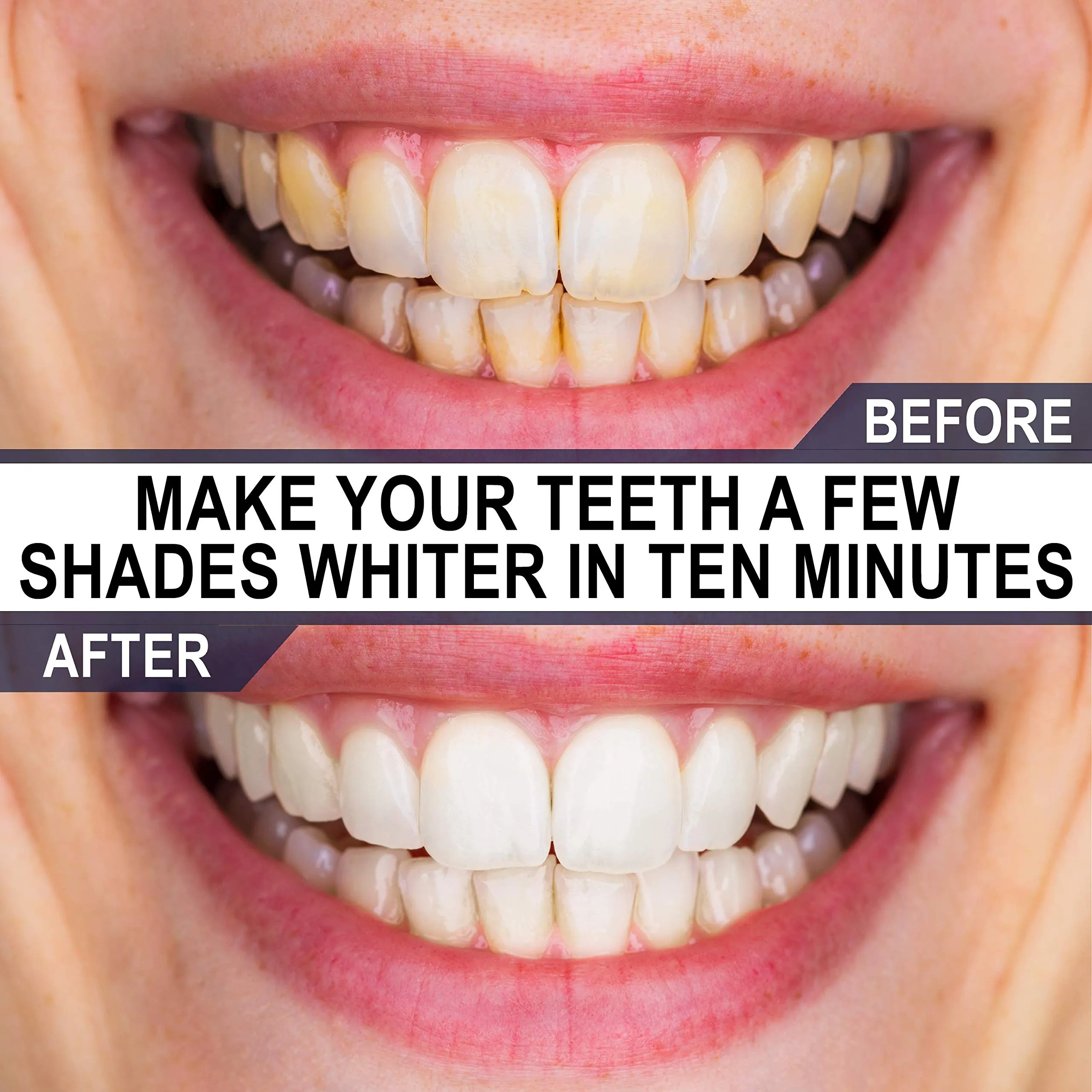
Understanding the causes of tooth discoloration is the first step toward achieving a brighter smile. Tooth discoloration can stem from various factors, both intrinsic and extrinsic. Extrinsic stains occur on the surface of the enamel, often caused by consuming staining foods and drinks, such as coffee, tea, red wine, and berries. Tobacco use is another significant contributor to external staining, leading to yellowish or brownish discoloration. Intrinsic stains, on the other hand, originate from within the tooth. These can be caused by aging, as the enamel thins over time, revealing the yellow dentin underneath. Certain medications, like tetracycline, can also cause intrinsic staining, particularly in developing teeth. Furthermore, excessive fluoride intake during childhood can lead to fluorosis, resulting in white or brown spots on the teeth. Traumatic injuries to the teeth can also damage the pulp and cause discoloration. Recognizing the root cause of your discoloration is crucial for selecting the most effective whitening treatment.
Foods and Drinks That Stain Your Teeth
Many of the foods and beverages we consume on a daily basis can contribute significantly to tooth discoloration. The dark pigments in these items can easily adhere to the enamel, leading to staining over time. Coffee and tea, both popular morning beverages, are notorious for their staining properties. The tannins in tea and the dark pigments in coffee can cause the teeth to appear yellow or brown. Red wine, with its rich color and tannins, is another major culprit. The tannins allow the color to cling to the teeth, while the acidity can erode the enamel, making the teeth more susceptible to staining. Berries, such as blueberries, blackberries, and raspberries, contain intense pigments that can stain the teeth. Similarly, dark sauces like soy sauce and balsamic vinegar, as well as deeply colored curries and spices, can also contribute to discoloration. To minimize the impact, rinsing your mouth with water after consuming these items can help. Brushing your teeth after consumption will help keep the stains off of the teeth.
Teeth Whitening Methods [A Comprehensive Overview]

The journey toward a brighter smile offers a range of teeth whitening methods, each designed to address different needs and preferences. From professional treatments to at-home solutions, understanding the options available is key to selecting the most effective approach. Teeth whitening methods generally fall into two main categories: professional treatments performed by a dentist and over-the-counter products available for at-home use. Professional treatments often involve stronger whitening agents and can produce faster, more dramatic results. At-home options provide a more convenient and cost-effective alternative, with varying levels of effectiveness depending on the product and usage. It’s important to evaluate your individual needs, the severity of your discoloration, and your budget to determine which method best suits your goals. It is recommended to speak with your dentist before deciding on any of the methods, to ensure you get the most accurate information.
Professional Teeth Whitening
Professional teeth whitening, also known as in-office bleaching, offers the most immediate and dramatic results. Performed by a dentist, this method uses a high-concentration bleaching agent that is applied to the teeth. The dentist will first protect your gums with a protective barrier. Then, the whitening agent, often containing a high percentage of hydrogen peroxide, is applied to the teeth. A special light or laser may be used to activate the whitening agent, accelerating the process. The entire procedure typically takes about an hour, and multiple sessions may be required depending on the degree of discoloration and the desired level of brightness. Professional whitening is highly effective for removing both extrinsic and intrinsic stains. The results are often significantly brighter than those achieved with at-home methods. This method is the safest approach as it’s administered by a dental professional who can monitor the process and address any sensitivity issues. Consulting with a dentist is essential to determine if professional whitening is the right option for you and to ensure a safe and effective procedure.
In-Office Teeth Whitening Procedures
In-office teeth whitening procedures are designed to deliver the most dramatic results in a single dental visit. The process typically begins with a thorough examination and cleaning by the dentist to remove any surface stains and plaque. A protective barrier is then applied to the gums to shield them from the strong bleaching agents. The whitening agent, which typically contains a high concentration of hydrogen peroxide, is applied to the teeth. A special light or laser, such as a blue LED light, is often used to accelerate the whitening process. This light helps to activate the bleaching agent, allowing it to penetrate the enamel and break down the stain molecules more quickly. The process usually involves multiple cycles, with the whitening agent being applied and removed several times over the course of the treatment. After the procedure, the dentist will provide instructions on how to maintain the results, including recommendations for oral hygiene and avoiding staining foods and drinks. The entire in-office procedure can be completed in about an hour and can dramatically brighten teeth several shades.
At-Home Teeth Whitening Kits

At-home teeth whitening kits provide a convenient and cost-effective way to brighten your smile in the comfort of your own home. These kits typically include whitening trays or strips, and a whitening agent containing a lower concentration of hydrogen peroxide or carbamide peroxide compared to professional treatments. Whitening strips are thin, flexible strips coated with a whitening gel that are applied directly to the teeth. Trays can be either pre-filled or custom-fitted, and they hold the whitening gel in place. The instructions vary by product, but generally, the whitening agent is applied to the teeth for a specified amount of time each day, typically for a few weeks. It is important to carefully follow the instructions provided with the kit to ensure safety and effectiveness. Results may vary depending on the product and the severity of the staining. At-home kits are suitable for those with mild to moderate staining. Before using any at-home whitening product, it is best to consult your dentist to discuss the suitability of the product.
Whitening Toothpastes
Whitening toothpastes are a widely accessible and user-friendly option for maintaining a brighter smile. These toothpastes contain mild abrasives that help to remove surface stains and polish the teeth. They often include ingredients like silica or hydrated silica, which gently scrub away stains caused by coffee, tea, and other staining agents. Some whitening toothpastes also contain low concentrations of peroxide, which can provide a slight whitening effect. While whitening toothpastes can be effective for removing surface stains and preventing new ones from forming, they generally do not significantly alter the natural color of the teeth. They are most effective for those who have mild staining. It’s crucial to use these toothpastes as directed and to avoid excessive brushing, as the abrasives can potentially wear down the enamel over time. For optimal results, whitening toothpastes can be incorporated into a regular oral hygiene routine. However, they should not be considered a standalone whitening solution for more severe discoloration.
Whitening Strips
Whitening strips offer a convenient and affordable approach to teeth whitening. These thin, flexible strips are coated with a whitening gel that contains a low concentration of hydrogen peroxide. They are designed to be applied directly to the teeth, adhering to the surface and allowing the whitening agent to penetrate the enamel. The strips typically need to be worn for a specific amount of time each day, as directed by the product instructions, usually for several weeks to achieve noticeable results. Whitening strips are easy to use and can be done at home, making them a popular choice for those seeking a brighter smile without the cost or time commitment of professional treatments. They are particularly effective for removing surface stains and mild to moderate discoloration. However, they may not be as effective for severe stains or intrinsic discoloration. It is recommended to follow the instructions carefully to avoid any potential irritation or sensitivity. Results can vary depending on the individual’s teeth and the severity of the staining.
Whitening Gels and Trays

Whitening gels and trays provide a more customizable at-home teeth whitening experience. These systems typically involve applying a whitening gel to a tray that is then placed over the teeth. The trays can be either pre-filled or custom-fitted, with custom trays offering a more precise fit and ensuring the whitening agent is evenly distributed. The whitening gels contain a higher concentration of hydrogen peroxide or carbamide peroxide than what is found in whitening toothpastes and strips, leading to more effective results. The user wears the tray for a specified amount of time, as directed by the product instructions, which can range from a few minutes a day to several hours, depending on the concentration of the whitening agent. Whitening gels and trays are generally more effective than whitening strips, especially for individuals with moderate staining. They allow the whitening agent to be in contact with the teeth for a longer period, leading to improved results. It is crucial to follow the instructions for safe and effective use. Before using whitening gels and trays, consulting your dentist can help you determine the right product for your needs.
Teeth Whitening Guide [Step by Step]
Embarking on a teeth whitening journey requires a thoughtful approach to ensure safety and achieve the desired results. The first step involves a consultation with your dentist, which can help assess the type and severity of your discoloration. The dentist will also examine the overall health of your teeth. Based on this assessment, your dentist can recommend the most appropriate whitening method, whether it be professional treatment, at-home kits, or a combination of approaches. Following the dentist’s recommendations, you will be able to select the right method. Next is the correct application method to ensure proper results, with consistent use as instructed. After whitening, it is essential to maintain your bright smile. This includes practicing good oral hygiene, such as brushing twice a day, flossing daily, and avoiding staining foods and drinks. Regular dental checkups are also important to monitor your oral health and address any issues. It is essential to have a well-planned process to effectively and safely whiten your teeth.
Consultation with Your Dentist
A consultation with your dentist is the cornerstone of a safe and effective teeth whitening journey. During this appointment, your dentist will conduct a thorough examination of your teeth and gums to assess your oral health and the type and severity of any discoloration. This assessment is crucial because not all types of stains respond equally to whitening treatments. The dentist will also identify any underlying issues, such as cavities, gum disease, or sensitivity, that need to be addressed before whitening. Your dentist can offer professional advice and guidance on the most suitable whitening method for your specific needs. They will discuss the pros and cons of various options, including professional treatments, at-home kits, and over-the-counter products. Based on the examination and your goals, the dentist will create a personalized treatment plan. This plan will include instructions on how to use the whitening product and provide guidance on potential side effects and how to manage them. A consultation with a dentist ensures a safe and effective teeth whitening experience, as well as helping you maintain your oral health.
Choosing the Right Whitening Method

Selecting the right teeth whitening method involves careful consideration of several factors to achieve the best results. The first consideration is the type of staining present. Surface stains, caused by foods, drinks, and tobacco, tend to respond well to at-home whitening treatments, such as whitening toothpastes, strips, or over-the-counter kits. Deeper stains, caused by aging, certain medications, or intrinsic factors, may require more powerful professional treatments. Your budget plays a significant role in the decision-making process. Professional teeth whitening tends to be more expensive than at-home options. However, it offers faster and more dramatic results. At-home whitening kits provide a more cost-effective alternative. Your desired level of brightness is also important. Professional whitening can achieve dramatic results in a single visit, while at-home methods may require several weeks of use to see noticeable improvements. Your lifestyle and convenience are also important to consider. If you have a busy schedule, at-home treatments may be more convenient. Consulting your dentist is crucial to determine the best whitening method and to ensure that it aligns with your individual needs, preferences, and budget.
Following the Whitening Process
Adhering to the recommended guidelines is crucial for a safe and successful teeth whitening experience. It is essential to carefully read and understand the instructions provided with your chosen whitening method, whether it is a professional treatment or an at-home kit. For professional treatments, follow your dentist’s post-procedure instructions. For at-home kits, apply the product as directed, whether using strips, trays, or gels. This includes the amount of product to use, the frequency of application, and the duration of each treatment. Do not overuse the whitening product. Overuse can increase the risk of tooth sensitivity and gum irritation. Be patient and consistent. Achieving the desired results takes time. Avoid consuming staining foods and drinks during the whitening process. If you experience any sensitivity or discomfort, stop the treatment and consult your dentist. Regular monitoring is important, especially when using at-home methods, to ensure safety and effectiveness. Follow your dentist’s recommendations for maintaining your bright smile. These steps, along with the right methods, are essential for a teeth whitening process that is safe and gives you the best results.
Maintaining Your Bright Smile [Essential Tips]
Maintaining your newly brightened smile requires a commitment to consistent oral hygiene and lifestyle choices. The foundation of any smile maintenance routine is a rigorous oral hygiene regimen. Brush your teeth twice a day for at least two minutes each time, using a soft-bristled toothbrush and fluoride toothpaste. Floss daily to remove plaque and food particles from between your teeth. This helps prevent staining and keeps your gums healthy. Avoiding staining foods and drinks is also essential. Limit your intake of coffee, tea, red wine, berries, and dark sauces, which can easily stain your teeth. If you do consume these items, rinse your mouth with water immediately afterward or brush your teeth after some time. Consider using a straw when drinking staining beverages to minimize contact with your teeth. Regular dental checkups and cleanings are also critical for maintaining a bright smile. Visit your dentist every six months for a professional cleaning, and exam. This allows your dentist to remove any surface stains and plaque and to address any oral health issues that could compromise your smile’s brightness. The best and most effective way to maintain a bright smile is to follow these simple and very important steps.
Oral Hygiene for Long-Lasting Results

Maintaining a bright smile requires a consistent and effective oral hygiene routine. Brushing your teeth twice a day, for at least two minutes each time, is fundamental. Brushing helps remove food particles, plaque, and surface stains that can dull your smile. Use a soft-bristled toothbrush and fluoride toothpaste. The soft bristles are gentle on your enamel, while fluoride strengthens your teeth and helps to prevent decay. Flossing daily is another crucial step. Flossing removes plaque and food particles from between your teeth, where a toothbrush can’t reach. This helps prevent staining and keeps your gums healthy. Consider using an interdental brush or water flosser for more effective cleaning. Rinse your mouth with an antiseptic mouthwash after brushing and flossing. This helps kill bacteria and freshen your breath. Using a mouthwash can help to remove any remaining debris. Regular dental checkups and professional cleanings are essential for maintaining a bright smile. Visit your dentist every six months for a professional cleaning. This helps to remove any stubborn stains and plaque. Following these steps are very important for a great looking and healthy smile.
Avoiding Staining Foods and Drinks
Avoiding staining foods and drinks is essential for preserving your bright smile and preventing future discoloration. Some foods and beverages contain strong pigments that can easily stain the enamel of your teeth. Coffee and tea are known for their staining properties. Both contain dark pigments that can gradually discolor the teeth. Red wine, with its rich color and tannins, is another significant culprit. The tannins in red wine allow the color to cling to the teeth. Berries, such as blueberries, blackberries, and raspberries, contain intense pigments that can stain the teeth. Dark sauces, like soy sauce and balsamic vinegar, as well as curries and spices, can also contribute to discoloration. If you can’t completely avoid these items, there are some strategies you can use to minimize the impact. Drink coffee and tea with milk. Milk can help neutralize the staining effects of the tannins. Rinse your mouth with water after consuming staining foods or drinks. This helps remove the pigments from your teeth. Use a straw when drinking staining beverages. This helps minimize contact with your teeth. By making conscious choices and following these tips, you can significantly reduce the risk of staining and keep your smile looking its best.
Regular Dental Checkups
Regular dental checkups are a cornerstone of maintaining a bright smile and ensuring optimal oral health. Professional cleanings, performed by a dental hygienist, are essential for removing plaque, tartar, and surface stains that can dull the appearance of your teeth. The hygienist uses specialized tools to thoroughly clean your teeth, including areas that may be difficult to reach with a toothbrush and floss. During a dental exam, your dentist will check for any signs of tooth decay, gum disease, and other oral health issues. Early detection and treatment of these problems can prevent further damage and help to maintain a healthy smile. Your dentist can assess the condition of your teeth whitening and provide recommendations for touch-up treatments if needed. They can also monitor your overall oral health and provide personalized advice on how to maintain a bright and healthy smile. Following your dentist’s recommendations for oral hygiene and lifestyle choices. With regular dental checkups, along with an effective oral hygiene routine, can help you achieve a bright, healthy smile.