Understanding Teeth Whitening with Hydrogen Peroxide
Teeth whitening has become a very popular cosmetic procedure, with various methods available to achieve a brighter smile. Among the most widely used methods are those employing hydrogen peroxide, a common household chemical known for its bleaching properties. Hydrogen peroxide is a key ingredient in many professional and over-the-counter teeth whitening products. Its ability to penetrate the enamel and oxidize stain molecules makes it an effective agent for lightening tooth discoloration. When used correctly, hydrogen peroxide can significantly improve the appearance of your teeth, boosting your confidence and overall appearance. However, it is essential to approach this process with knowledge and caution to avoid potential risks and ensure optimal results.
How Does Hydrogen Peroxide Whiten Teeth?
Hydrogen peroxide works by releasing oxygen molecules that penetrate the enamel and dentin of the teeth. These oxygen molecules react with the stain molecules present within the tooth structure. This process breaks down the bonds of the stain molecules, effectively decolorizing them. The higher the concentration of hydrogen peroxide, the more potent its bleaching action. However, increased concentration also increases the risk of sensitivity and potential damage to the enamel. It is crucial to follow recommended guidelines and instructions to ensure the process is both effective and safe. The effectiveness of hydrogen peroxide also depends on the type and depth of the stains, with surface stains typically responding better than deeper, intrinsic stains.
The Science Behind Hydrogen Peroxide

At a molecular level, hydrogen peroxide (H2O2) is a simple compound that readily decomposes into water (H2O) and oxygen (O2). This release of oxygen is what drives the whitening process. When hydrogen peroxide comes into contact with stained tooth surfaces, the oxygen molecules act as oxidizing agents. This means they interact with the discolored molecules, breaking them apart and making the stains less visible. The process is similar to how hydrogen peroxide works on other surfaces, such as bleaching hair or removing stains from fabric. The concentration of hydrogen peroxide and the duration of its contact with the teeth influence the degree of whitening. The science involves the chemical reactions that occur, resulting in a brighter and more aesthetically pleasing smile. Understanding this science helps users to appreciate the effectiveness of hydrogen peroxide.
Activated Charcoal’s Role in Teeth Whitening
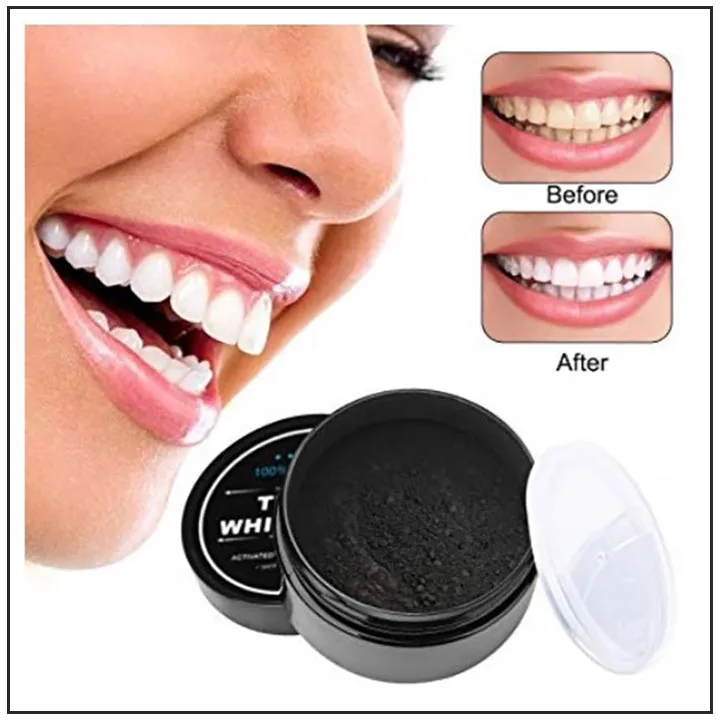
Activated charcoal, a fine black powder made from various sources like coconut shells, has gained popularity as a natural teeth whitening agent. Unlike hydrogen peroxide, activated charcoal does not chemically alter the tooth structure. Instead, it works through adsorption, where it attracts and binds to stains and debris on the tooth surface. The porous nature of activated charcoal helps it to trap these particles, which are then removed when the charcoal is rinsed away. Although it may not provide the same dramatic whitening effect as hydrogen peroxide, activated charcoal can help remove surface stains caused by coffee, tea, and other substances, resulting in a cleaner, brighter smile. However, it’s important to note that the effectiveness of activated charcoal varies, and it may not be suitable for everyone.
Benefits of Activated Charcoal
The primary benefit of activated charcoal is its ability to remove surface stains without using harsh chemicals. It’s a natural alternative to whitening products containing hydrogen peroxide or other bleaching agents. Many users appreciate the natural aspect and believe it offers a gentler approach to teeth whitening. Additionally, activated charcoal can help freshen breath by absorbing bacteria and odors. Regular use can contribute to improved oral hygiene by removing debris and plaque, helping to prevent further staining. Unlike some whitening treatments, activated charcoal is generally less likely to cause sensitivity, making it suitable for individuals with sensitive teeth. However, it is essential to use it carefully and not over-brush, as excessive abrasion can damage the enamel.
How to Use Hydrogen Peroxide Safely

When using hydrogen peroxide for teeth whitening, safety should be a primary concern. Start with a low concentration of hydrogen peroxide, typically 3% solution, which is readily available at most pharmacies. Always dilute the solution as per the instructions, or consult a dentist for guidance. Avoid swallowing the solution, as it can cause irritation and other health issues. Keep the solution away from the gums to prevent irritation or damage. Using a soft-bristled toothbrush, apply the solution gently to your teeth and avoid excessive scrubbing. Limit the contact time to the recommended duration, usually a few minutes, and then rinse thoroughly with water. If you experience any sensitivity or discomfort, discontinue use and consult a dental professional. Proper storage of hydrogen peroxide is also vital; keep it in a cool, dark place, away from children.
Choosing the Right Hydrogen Peroxide Concentration
The concentration of hydrogen peroxide is a crucial factor in both the effectiveness and safety of teeth whitening. Over-the-counter products often contain 3% to 10% hydrogen peroxide, while professional treatments can use concentrations up to 40%. For home use, starting with a lower concentration is advisable to minimize the risk of sensitivity or damage. If you’re unsure, consult with your dentist, who can recommend the appropriate concentration based on your oral health and the extent of staining. Using a higher concentration may produce quicker results, but it also significantly increases the potential for side effects such as gum irritation and tooth sensitivity. Always follow the instructions provided with the product and monitor your teeth for any adverse reactions. It’s better to take a gradual approach to whitening, especially if you are new to the process.
Step-by-Step Guide Using Hydrogen Peroxide
Begin by brushing your teeth thoroughly with a regular toothpaste to remove any surface debris. Rinse your mouth with water. Mix a small amount of 3% hydrogen peroxide with water, if necessary, to further dilute it. Dip a clean cotton swab or your toothbrush into the diluted solution. Apply the solution evenly to the surface of your teeth, avoiding contact with your gums as much as possible. Let the solution sit on your teeth for a maximum of two minutes. Rinse your mouth thoroughly with water to remove the hydrogen peroxide. Repeat this process once or twice a week, monitoring for any signs of sensitivity or irritation. Use a toothpaste designed for sensitive teeth or one that contains fluoride. Consider using a whitening toothpaste or mouthwash in between treatments to help maintain the results.
Preparing Your Teeth for Whitening

Before starting any teeth whitening treatment, it is essential to prepare your teeth. First, visit your dentist for a check-up and cleaning. This will remove any plaque and tartar buildup, allowing the whitening agent to work more effectively. Address any underlying dental issues like cavities or gum disease, as these conditions can worsen during the whitening process. If you have any existing fillings, crowns, or veneers, be aware that these will not whiten. Consider having a shade assessment done by your dentist to determine the current shade of your teeth and set realistic expectations for the outcome. Use a toothpaste specifically formulated for sensitivity for a few weeks before you start whitening to reduce the likelihood of discomfort. Follow a good oral hygiene routine of brushing and flossing.
Mixing Hydrogen Peroxide and Charcoal
Combining hydrogen peroxide and activated charcoal is a popular method for teeth whitening, although it’s crucial to do it carefully. Start by ensuring you have food-grade activated charcoal and 3% hydrogen peroxide. Mix a small amount of activated charcoal (about half a teaspoon) with a small amount of hydrogen peroxide until you form a paste-like consistency. You can adjust the amount of hydrogen peroxide to achieve the desired texture; however, avoid making it too runny. It’s best to use a non-metallic container and utensil when mixing, as certain metals can react with hydrogen peroxide. Always use fresh ingredients and prepare the mixture just before use to maintain its effectiveness. Remember, this is not a substitute for regular dental care.
Applying the Mixture
Once you’ve prepared the hydrogen peroxide and activated charcoal mixture, apply it carefully to your teeth. Using a soft-bristled toothbrush or a cotton swab, gently apply a thin layer of the mixture to the surface of your teeth, ensuring all areas are covered. Avoid getting the mixture on your gums, as it can cause irritation. Leave the mixture on your teeth for no more than two minutes. After the allotted time, rinse your mouth thoroughly with water, ensuring all traces of the mixture are removed. Brush your teeth with regular toothpaste to remove any remaining charcoal residue. Use this method sparingly, not more than once or twice a week. Monitor your teeth and gums for any signs of sensitivity or irritation.
Post-Whitening Care and Maintenance

After teeth whitening, proper care is essential to maintain your brighter smile and prevent any adverse effects. Avoid consuming foods and drinks that can stain your teeth, such as coffee, tea, red wine, and dark-colored berries, for at least the first few days. Continue to practice good oral hygiene by brushing twice a day and flossing daily. Use a whitening toothpaste to help maintain the results and remove surface stains. Consider using a fluoride toothpaste to strengthen your enamel and reduce sensitivity. Schedule regular dental check-ups and cleanings. If you experience any sensitivity, use toothpaste designed for sensitive teeth. You can also use a mouthwash specifically formulated for sensitivity or one that contains fluoride.
Maintaining Your Bright Smile
Maintaining a bright smile involves a combination of diligent oral hygiene and lifestyle choices. Brush your teeth twice daily with a fluoride toothpaste. Floss daily to remove plaque and food particles from between your teeth. Schedule regular dental check-ups and professional cleanings. Limit your consumption of staining foods and beverages like coffee, tea, and red wine. If you do consume these items, drink water afterward to rinse your mouth. Consider using a straw for beverages to minimize contact with your teeth. Avoid smoking and tobacco products, as they can heavily stain your teeth. Consider using a whitening toothpaste or mouthwash to help maintain the brightness of your smile.
Potential Risks and Side Effects
While hydrogen peroxide and activated charcoal can be effective for teeth whitening, they also carry potential risks and side effects. The most common side effects of hydrogen peroxide include tooth sensitivity and gum irritation. Sensitivity can occur because the peroxide penetrates the enamel and affects the nerves within the teeth. Gum irritation can happen if the peroxide comes into contact with the soft tissues. Overuse or high concentrations of hydrogen peroxide can lead to enamel erosion, making your teeth more susceptible to decay. Activated charcoal can be abrasive and may wear down enamel if used improperly. Allergic reactions to either substance are rare but possible. Always consult with your dentist if you experience any adverse effects, like tooth pain or bleeding gums.
Alternatives to Hydrogen Peroxide and Charcoal

If you are looking for alternatives to hydrogen peroxide and activated charcoal for teeth whitening, several options are available. Professional teeth whitening treatments performed by your dentist are the most effective, using higher concentrations of peroxide under controlled conditions. Whitening toothpaste containing mild abrasives and hydrogen peroxide or other whitening agents can help remove surface stains. Whitening strips, which are readily available over the counter, provide a convenient way to whiten your teeth. Consider using a whitening mouthwash, which contains peroxide or other whitening agents. If you prefer a natural approach, oil pulling with coconut oil may help remove some surface stains. Maintaining excellent oral hygiene and limiting stain-causing foods and drinks are fundamental ways to keep your teeth looking bright.