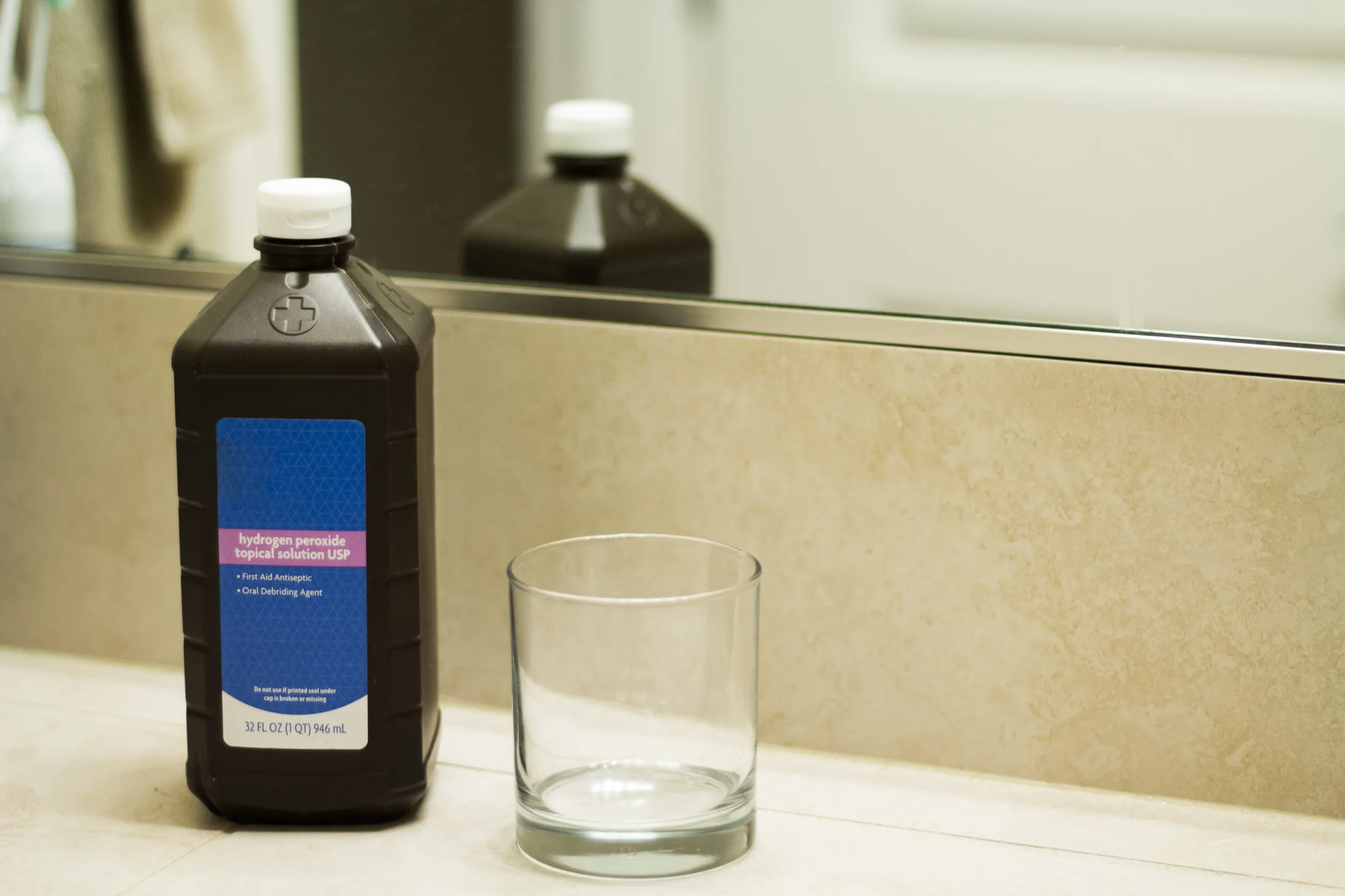
The Dangers of Hydrogen Peroxide Whitening Teeth
The pursuit of a brighter smile has led many to consider hydrogen peroxide as a teeth-whitening solution. However, it’s crucial to understand the potential dangers associated with this common method. While hydrogen peroxide can effectively lighten tooth discoloration, its use carries risks that can significantly impact your oral health. This article delves into the side effects, long-term implications, and safer alternatives to ensure you make informed decisions about teeth whitening. It’s important to weigh the cosmetic benefits against the potential harm to your teeth and gums. Before embarking on any whitening treatment, consulting with a dental professional is paramount to assess your individual needs and mitigate potential risks. Remember, a healthy smile is more important than a perfectly white one.
Understanding Hydrogen Peroxide and Teeth Whitening
Hydrogen peroxide is a chemical compound that acts as an oxidizing agent, meaning it releases oxygen when it comes into contact with organic matter. In the context of teeth whitening, hydrogen peroxide penetrates the enamel and dentin, the porous layers of your teeth. It breaks down the stain molecules, effectively lightening the color of your teeth. The concentration of hydrogen peroxide used plays a significant role in the whitening process, with higher concentrations often yielding faster results, but also increasing the risk of side effects. Toothpaste and over-the-counter whitening products typically contain lower concentrations (around 3%), while professional treatments use much higher concentrations (up to 40%). Knowing how hydrogen peroxide works is the first step towards using it safely and effectively.
How Hydrogen Peroxide Works

The whitening action of hydrogen peroxide hinges on its ability to oxidize stain molecules. These stains, which accumulate from food, drinks, and smoking, are what darken the teeth. Hydrogen peroxide’s active oxygen molecules break down these stain molecules, causing them to become less concentrated, hence the appearance of whiter teeth. The process can take varying amounts of time, depending on the concentration of hydrogen peroxide used, the type of stains, and the individual tooth structure. It’s important to be patient and follow the recommended usage instructions carefully to achieve the best results while minimizing potential risks to your oral health. Understanding the chemical process provides a clearer picture of both the potential benefits and the inherent dangers of hydrogen peroxide.
Potential Side Effects of Hydrogen Peroxide on Teeth
While hydrogen peroxide can be effective, it’s important to be aware of the potential side effects. These side effects often arise from the oxidizing nature of the chemical, which can irritate or damage the soft and hard tissues of the oral cavity. The severity of these effects can vary widely based on the concentration of hydrogen peroxide used, the duration of exposure, and the individual’s sensitivity. Understanding these potential side effects is critical for making informed decisions about teeth whitening. Ignoring them can lead to discomfort, long-term dental problems, and a need for more extensive and costly treatments. Consulting a dentist can help you assess the potential risks specific to your situation.
Tooth Sensitivity
One of the most common side effects is tooth sensitivity. This occurs when hydrogen peroxide penetrates the enamel and reaches the dentin, exposing the tiny tubules that lead to the nerves of the teeth. This can result in sharp, shooting pains when consuming hot or cold foods and drinks. The sensitivity is usually temporary, subsiding after the whitening treatment is completed. However, in some cases, it can persist for several days or even weeks. Individuals with pre-existing sensitivity or thin enamel are particularly at risk. Using a desensitizing toothpaste before, during, and after whitening treatments can help minimize this discomfort. If sensitivity becomes severe or prolonged, it’s important to consult your dentist.
Gum Irritation
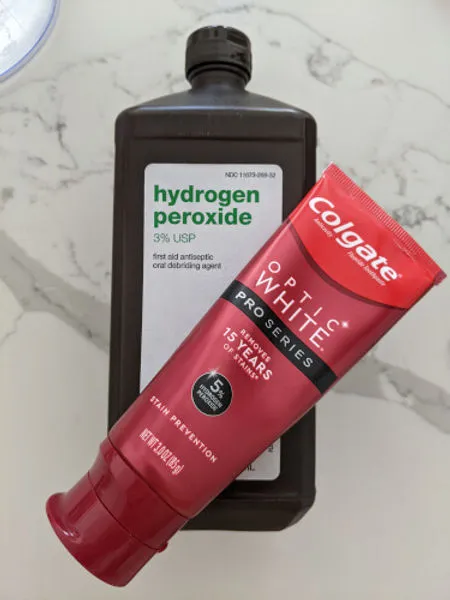
Gum irritation is another potential side effect. Hydrogen peroxide can irritate the soft tissues of the gums, causing redness, swelling, and soreness. This is especially common when using trays that don’t fit properly or when the whitening solution comes into direct contact with the gums for extended periods. In severe cases, the gums can become inflamed and even bleed. It’s important to use whitening products as directed and avoid contact with the gums as much as possible. If irritation occurs, discontinue the treatment and consult your dentist. They may recommend a different approach or suggest ways to soothe the irritated tissues.
Enamel Erosion
Repeated or improper use of hydrogen peroxide can potentially erode the enamel, the hard, protective outer layer of your teeth. Enamel erosion weakens the teeth, making them more susceptible to cavities, sensitivity, and discoloration. This is particularly a concern with high-concentration peroxide solutions or frequent whitening treatments. Once enamel is eroded, it cannot be fully restored, making prevention critical. It is important to follow the dentist’s recommendation to determine the frequency and duration of hydrogen peroxide use. Using fluoride toothpaste and avoiding overly abrasive brushing techniques can help protect enamel. Dentists can also apply fluoride treatments to strengthen the enamel.
Soft Tissue Damage
In extreme cases, hydrogen peroxide can cause damage to the soft tissues inside the mouth. This is more likely to occur with high concentrations of peroxide and prolonged exposure. The damage can range from mild irritation to chemical burns, which can be very painful and potentially lead to other health problems. Protect the soft tissue during the whitening process as much as possible by using proper fitting trays. Any time you experience unusual irritation or pain during treatment, discontinue use and seek professional advice. Always be extremely cautious when using any teeth whitening product and follow the instructions precisely.
Long-Term Effects of Hydrogen Peroxide Teeth Whitening

Beyond the immediate side effects, there are also potential long-term implications of using hydrogen peroxide for teeth whitening. The repeated exposure can contribute to the degradation of your enamel, increasing your risk of future dental problems. Therefore, understanding and mitigating these long-term effects is crucial for protecting your dental health. You should carefully weigh the cosmetic benefits against the potential risks and take steps to minimize the negative consequences, or consider alternative solutions. Always maintain regular dental check-ups to monitor the health of your teeth and gums, and make sure you follow a dentist’s advice.
Impact on Dental Health
Frequent teeth whitening with hydrogen peroxide can have long-term impacts on overall dental health. The enamel, which is the hard, protective layer of your teeth, can weaken over time due to the chemical process, making the teeth more susceptible to decay, sensitivity, and staining. This can eventually lead to the need for fillings, root canals, or other dental treatments, adding to the cost and complexity of maintaining oral health. Regular dental check-ups and professional cleanings are crucial to monitor your dental health and to address any issues early on before they develop into serious problems. Making informed decisions about your teeth-whitening choices and following professional guidance is vital for preserving your dental health long-term.
Risk of Overuse
Overuse of hydrogen peroxide for teeth whitening is a major risk factor for developing long-term dental issues. Whitening too frequently or using overly concentrated products can drastically increase the likelihood of enamel erosion, gum irritation, and sensitivity. Excessive whitening can lead to irreversible damage to the tooth structure, which can compromise the health and appearance of your smile. Adhering to the recommended usage guidelines and not exceeding the recommended frequency is crucial to minimize the risks. Consulting with a dentist before starting any whitening treatment and following their specific advice is important, so you can maintain your dental health and the beauty of your smile.
Alternatives to Hydrogen Peroxide for Teeth Whitening

If the potential side effects of hydrogen peroxide give you pause, several other alternatives can help you achieve a brighter smile. These alternatives range from professional treatments to at-home remedies, offering different levels of effectiveness and associated risks. Explore these options with your dentist, keeping in mind your oral health and cosmetic goals. Some alternatives will be less risky and can still deliver noticeable improvements, offering a safer path to a whiter smile. Remember that the best option depends on your individual needs and preferences.
Professional Teeth Whitening
Professional teeth whitening, performed by a dentist, is generally considered a safer and more effective option compared to at-home treatments. Dentists can use higher concentrations of hydrogen peroxide under controlled conditions, ensuring the whitening process is monitored closely. They take measures to protect your gums and other soft tissues, minimizing the risk of irritation. Professional whitening often provides more dramatic and quicker results than over-the-counter options. Before undergoing professional whitening, your dentist will assess your oral health to ensure the treatment is appropriate for you. They can also address any existing dental issues that might make you a bad candidate for teeth whitening. Although professional whitening can be more costly, the added safety and effectiveness make it a worthwhile investment for many. (Image: professional-teeth-whitening.webp)
At-Home Whitening Options
Several at-home teeth-whitening options are available, including whitening toothpastes, strips, and trays. These products typically contain lower concentrations of hydrogen peroxide or alternative whitening agents. While these options may be less effective than professional treatments, they can still provide noticeable improvements over time. It’s important to carefully follow the product instructions and be aware of potential side effects. Whitening toothpastes work by removing surface stains, while strips and trays contain a whitening gel that can penetrate the enamel. Before using at-home products, consult your dentist to ensure they are appropriate for your specific needs and to discuss any concerns you might have. This ensures the best possible outcome, while minimizing any potential harm. (Image: at-home-whitening.webp)
Safety Tips for Using Hydrogen Peroxide

If you decide to use hydrogen peroxide for teeth whitening, it is essential to follow specific safety tips to minimize potential risks and side effects. It is essential to adhere to these guidelines to ensure the best possible outcome while protecting your oral health. Remember to consult your dentist for personalized recommendations. These safety tips include proper dilution, cautious application, and awareness of any adverse reactions. Following these simple guidelines will help you minimize the potential harm and make your teeth whitening experience as safe and comfortable as possible.
Proper Dilution and Application
When using hydrogen peroxide for teeth whitening, proper dilution is vital. Use a lower concentration of hydrogen peroxide (typically 3%) and dilute it further with water. Never use high-concentration hydrogen peroxide solutions intended for other purposes. Apply the diluted solution carefully, using a cotton swab or a specially designed whitening tray. Avoid direct contact with your gums. If you’re using a tray, ensure it fits correctly to minimize the risk of the solution leaking onto your gums. When brushing, use a soft-bristled toothbrush and brush gently to avoid damaging the enamel. Always rinse your mouth thoroughly with water after each application, and be cautious about swallowing any of the solution.
Consulting a Dentist
Before using hydrogen peroxide or any other teeth-whitening product, it’s crucial to consult your dentist. They can assess your oral health, identify any pre-existing conditions, and recommend the most appropriate treatment for your specific needs. Your dentist can also advise you on the safe use of hydrogen peroxide, including the correct concentration, application method, and frequency. They can monitor any potential side effects and offer guidance to minimize risks. Regular dental check-ups and cleanings are essential to maintain your overall oral health and ensure any whitening treatments are safe and effective. (Image: dentist-consultation.webp)
Conclusion

While hydrogen peroxide can effectively whiten teeth, it is important to be aware of the potential dangers. Tooth sensitivity, gum irritation, and enamel erosion are some of the most common side effects. In the long term, overuse can impact overall dental health, increasing the risk of cavities and other dental issues. Fortunately, there are safer and more effective alternatives, such as professional teeth whitening and at-home options. If you choose to use hydrogen peroxide, follow safety guidelines, including proper dilution, cautious application, and consulting with your dentist. Prioritize your oral health and seek professional guidance to ensure a safe and beautiful smile. Consider the potential dangers, consult your dentist, and make an informed decision that prioritizes your dental health.