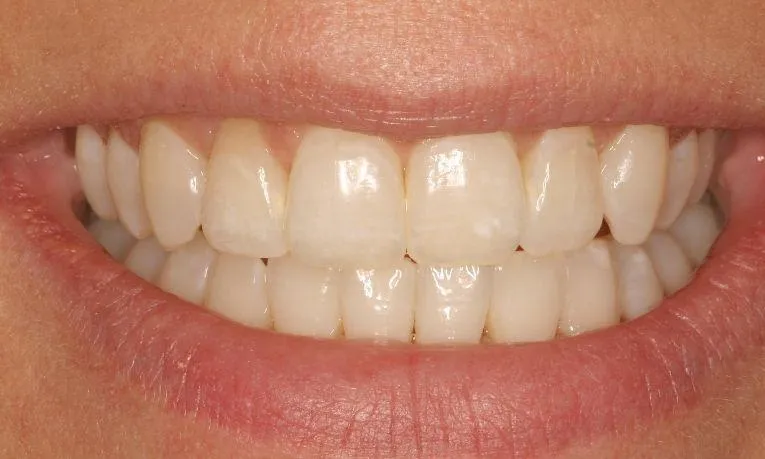
What is Invisalign Teeth Whitening?
Invisalign and teeth whitening are two popular cosmetic dentistry procedures, often combined to enhance the appearance of your smile. Invisalign uses a series of clear, removable aligners to straighten teeth, while teeth whitening treatments lighten the color of your teeth. Combining these treatments allows patients to achieve straighter, whiter teeth simultaneously. This integrated approach offers a convenient way to transform your smile, addressing both alignment and discoloration concerns effectively. The process typically involves using the Invisalign trays to also apply whitening agents, providing a seamless and efficient solution for a brighter, more confident smile. This combined approach can save time and provide consistent results, making it a preferred choice for many seeking comprehensive smile makeovers.
How Invisalign Works
Invisalign utilizes advanced technology to gradually shift teeth into their desired positions. The process starts with a consultation and detailed assessment by a dentist or orthodontist. Using digital scans or impressions, a comprehensive 3D model of the patient’s teeth is created. This model is then used to design a custom treatment plan. Clear aligners are fabricated based on this plan, each designed to apply precise pressure to specific teeth. Patients wear each set of aligners for about one to two weeks, removing them only to eat, drink, brush, and floss. As the aligners are switched out, the teeth gradually move, guided by the treatment plan. Regular check-up appointments with the dentist ensure the treatment progresses as planned, making adjustments as needed. The result is a straighter, more aesthetically pleasing smile, achieved with comfortable, virtually invisible aligners. The aligners are custom-made for each patient, ensuring a precise fit and optimal tooth movement.
The Role of Trays in Teeth Whitening

In the context of Invisalign, the aligner trays themselves play a crucial role in the teeth whitening process. These custom-fitted, clear aligners can be used to apply whitening agents directly to the teeth, ensuring even coverage and consistent results. The dentist or orthodontist will provide specific instructions on how to incorporate the whitening gel into the trays. Typically, the patient will place a small amount of whitening gel into each aligner and then wear the trays for a specified amount of time each day. The trays act as a barrier, keeping the whitening agent in close contact with the teeth, maximizing its effectiveness. This method is often more convenient and discreet than other whitening techniques, as the aligners are clear and can be worn comfortably. This approach streamlines the teeth whitening process, combining it seamlessly with the teeth straightening treatment, optimizing both the aesthetic and practical aspects of the procedure.
Benefits of Teeth Whitening with Invisalign
Improved Smile Aesthetics
Combining Invisalign with teeth whitening offers a comprehensive approach to smile enhancement. Patients not only achieve straighter teeth but also experience a significant improvement in the overall appearance of their smile. The whiter teeth create a more youthful and vibrant look, boosting confidence and self-esteem. The combination addresses multiple aesthetic concerns simultaneously, leading to a harmonious and attractive smile. This approach is particularly effective for those who have both misaligned and discolored teeth, providing a complete transformation. The results are often dramatic, providing a stunning difference in appearance and overall facial aesthetics, making patients feel more comfortable and confident in social settings.
Convenience and Comfort

One of the primary benefits of teeth whitening with Invisalign is the convenience and comfort it provides. The aligners are custom-made to fit comfortably in the mouth, and the whitening process is integrated seamlessly into the treatment plan. Patients can whiten their teeth at home, wearing the aligners with the whitening gel for a few hours each day or overnight, depending on the instructions. This eliminates the need for multiple dental visits solely for whitening treatments, saving time and making the process more manageable. The discreet nature of Invisalign aligners also means that patients can whiten their teeth without anyone noticing, allowing them to maintain their daily routines without interruption. The ease of use and integration make this combined approach a popular choice for those seeking a hassle-free way to enhance their smile.
Enhanced Oral Health
Invisalign not only straightens teeth but also improves oral health. Straight teeth are easier to clean, reducing the risk of cavities and gum disease. Proper alignment eliminates tight spaces where bacteria can thrive, promoting better hygiene. The use of aligners, which are removable, allows for thorough brushing and flossing, further supporting oral health. Additionally, teeth whitening, when done under professional guidance, can enhance the overall health of the teeth by removing stains and discoloration that may hide underlying issues. The combination of these treatments ensures that patients achieve a healthier, more attractive smile, which contributes positively to long-term oral health. This holistic approach supports both the aesthetic and functional aspects of a healthy mouth, leading to improved overall well-being.
Step-by-Step Guide to Invisalign Teeth Whitening
Consultation with Your Dentist

The first step in Invisalign teeth whitening is to consult with your dentist or orthodontist. During this initial consultation, the dentist will evaluate your oral health, assess the alignment of your teeth, and determine if you are a suitable candidate for both Invisalign and teeth whitening. They will discuss your goals, expectations, and explain the treatment process in detail. This includes taking digital scans or impressions to create a personalized treatment plan. It is an opportunity to ask questions, address any concerns, and gain a clear understanding of the procedures involved. Your dentist will also review your dental history, including any existing issues like cavities or gum disease, ensuring you’re in good condition to begin the treatment.
Creating a Personalized Whitening Plan
Once the consultation is complete and you’re deemed a suitable candidate, your dentist will create a personalized whitening plan. This plan outlines the specific whitening agent, the concentration of the whitening gel, and the duration of treatment. The dentist will customize this plan based on your current tooth shade, the desired shade of white, and the sensitivity of your teeth. They will also provide instructions on how to apply the whitening gel within your Invisalign aligners, specifying the amount of gel, the frequency of use, and the duration of wear. Your dentist may also take pre-treatment photographs to track your progress. Regular check-ups will be scheduled to monitor your progress and make any necessary adjustments to the plan to achieve the best results.
Acquiring Whitening Products
After the personalized plan is established, you’ll need to acquire the necessary whitening products. This typically involves obtaining a professional-grade whitening gel from your dentist’s office. They will provide the specific brand and strength of the gel that is most appropriate for your case. You might also need to purchase additional supplies such as a desensitizing toothpaste, which can help minimize sensitivity. The dentist will give you detailed instructions on how to store and handle the whitening products safely. Following these guidelines is crucial for the effectiveness of the treatment and to prevent any potential adverse effects. It is essential to follow your dentist’s recommendations regarding the products to ensure optimal results and protect your oral health during the process.
The Application Process

The application process is usually straightforward. You will place a small amount of the whitening gel into each Invisalign aligner, as instructed by your dentist. The amount of gel required is usually minimal, ensuring it stays within the trays and contacts the teeth. After applying the gel, carefully insert the aligners into your mouth, making sure they fit snugly. You will then wear the aligners for the recommended amount of time, which could be a few hours each day or overnight, depending on your dentist’s specific instructions. Avoid eating or drinking anything besides water while the aligners are in place. After the designated time, remove the aligners, rinse your mouth, and brush your teeth thoroughly to remove any remaining gel. Clean and dry your aligners before storing them properly. It is important to maintain this routine consistently to achieve the desired results.
Essential Tips for Effective Whitening
Maintain Oral Hygiene
Maintaining excellent oral hygiene is crucial for the success of your teeth whitening and Invisalign treatments. Brush your teeth at least twice a day with fluoride toothpaste, paying close attention to all surfaces of your teeth. Floss daily to remove plaque and food particles from between your teeth and along the gum line. Rinsing with an antibacterial mouthwash can also help reduce bacteria and keep your mouth clean. Before inserting your aligners, ensure your teeth are clean and dry. After removing the aligners, clean and dry them thoroughly before storing them properly. Regular dental check-ups and professional cleanings are also essential for maintaining optimal oral health. Proper hygiene helps maximize the whitening results and keeps your teeth and gums healthy throughout the process.
Proper Tray Usage

Proper usage of your Invisalign aligners is critical for both teeth straightening and whitening effectiveness. Always wear your aligners for the recommended amount of time each day, typically 20-22 hours. Follow your dentist’s instructions regarding how long to wear each set of aligners before switching to the next set. When applying the whitening gel, ensure that you use the correct amount, as instructed by your dentist. Ensure the aligners fit properly and are seated completely on your teeth. Avoid eating or drinking anything except water while wearing the aligners. Clean your aligners regularly with a soft toothbrush and mild soap or the specific cleaning solution recommended by your dentist. Store your aligners in their protective case when not in use. Consistent and correct usage will ensure the best results from both treatments.
Dietary Considerations and Restrictions
Foods and Drinks to Avoid
Certain foods and drinks can stain your teeth, especially during the teeth whitening process. To maintain and enhance your whitening results, it is essential to limit or avoid these items. Dark-colored beverages like coffee, tea, red wine, and cola can stain your teeth and diminish the effectiveness of the whitening. Highly pigmented foods, such as berries (blueberries, blackberries, raspberries), beets, soy sauce, and curries, should also be consumed in moderation. Smoking and the use of tobacco products are also major contributors to tooth discoloration and should be avoided entirely. By making conscious dietary choices and limiting the consumption of staining agents, you can help ensure a brighter, whiter smile.
Foods that Can Stain Teeth

Even with diligent care and avoidance of certain foods and drinks, some foods can subtly stain your teeth. It’s important to be aware of these to maintain your whitening results. Acidic foods, such as citrus fruits, tomatoes, and vinegar, can erode the enamel and make teeth more susceptible to staining. Sugary foods and drinks also contribute to staining and can increase the risk of cavities. Processed foods often contain artificial colors and additives that can stain teeth. By being mindful of what you eat and drink, you can actively contribute to keeping your teeth white and healthy. Rinsing your mouth with water or brushing your teeth after consuming these types of foods can also help prevent staining.
Possible Side Effects and How to Manage Them
Sensitivity and Discomfort
Tooth sensitivity is a common side effect of teeth whitening. You may experience increased sensitivity to hot or cold foods and drinks. This is usually temporary and subsides once the treatment is completed. Discomfort can also arise due to the pressure of the aligners on the teeth, especially when switching to new sets of aligners. This pressure is a normal part of the teeth-straightening process. If you experience significant discomfort, it is essential to inform your dentist or orthodontist. They may recommend various strategies to help reduce discomfort, such as using desensitizing toothpaste, adjusting the whitening plan, or providing pain relief medication. Always follow the instructions given by your dental professional to mitigate any side effects and ensure your comfort throughout the treatment.
How to Reduce Side Effects
Several measures can help reduce the potential side effects of Invisalign and teeth whitening. Use a desensitizing toothpaste containing potassium nitrate to minimize tooth sensitivity. Apply the toothpaste to your teeth before inserting the aligners. Avoid foods and drinks that are known to cause sensitivity. Consider using a fluoride mouthwash to strengthen enamel. Follow the instructions provided by your dentist and do not overuse the whitening gel. If you experience persistent pain, consult your dentist promptly. Over-the-counter pain relievers, such as ibuprofen or acetaminophen, can provide temporary relief. Make sure to maintain consistent oral hygiene and follow all instructions provided by your dental professional to minimize discomfort and achieve the best possible results.
Alternatives to Invisalign Teeth Whitening
Professional Whitening Treatments
Several professional whitening treatments are available that don’t involve Invisalign. In-office teeth whitening provides immediate results. The dentist applies a high-concentration whitening gel to your teeth and activates it using a special light or laser. This procedure usually takes about an hour and provides significant whitening in a single session. Another option is take-home whitening kits provided by your dentist. These kits contain custom-fitted trays and a professional-strength whitening gel, similar to those used with Invisalign, but they are designed to be used independently of teeth-straightening treatment. These options can still be used if you are not interested in, or are not a candidate for, Invisalign. The dentist will monitor your progress and adjust the treatment accordingly.
Over-the-Counter Products
Over-the-counter (OTC) whitening products are widely available and offer a more budget-friendly alternative for teeth whitening. These products include whitening toothpastes, strips, and gels, each with varying degrees of effectiveness. Whitening toothpastes contain mild abrasives and chemicals to remove surface stains. Whitening strips are thin, flexible strips coated with a whitening agent that you apply directly to your teeth. Whitening gels come in trays that fit over your teeth, similar to the professional kits. While OTC products are generally safe, they may not provide the same dramatic results as professional treatments. Additionally, the results can vary depending on the product, the type of stains, and the individual’s teeth. Always follow the manufacturer’s instructions and consult with your dentist if you have any concerns.
Conclusion
Combining Invisalign with teeth whitening is an effective way to achieve a straighter, whiter smile. This integrated approach offers numerous benefits, including improved aesthetics, convenience, and enhanced oral health. While side effects such as sensitivity may occur, they are often manageable. By following your dentist’s instructions, maintaining good oral hygiene, and being mindful of your diet, you can maximize the results of your treatment. Various alternatives are available, including professional whitening treatments and over-the-counter products. Consulting with your dentist is crucial to determine the best course of action for your individual needs and to achieve the radiant smile you desire. With the right approach, you can achieve a brighter, healthier, and more confident smile.