What is Rice Flour and How Does It Work?
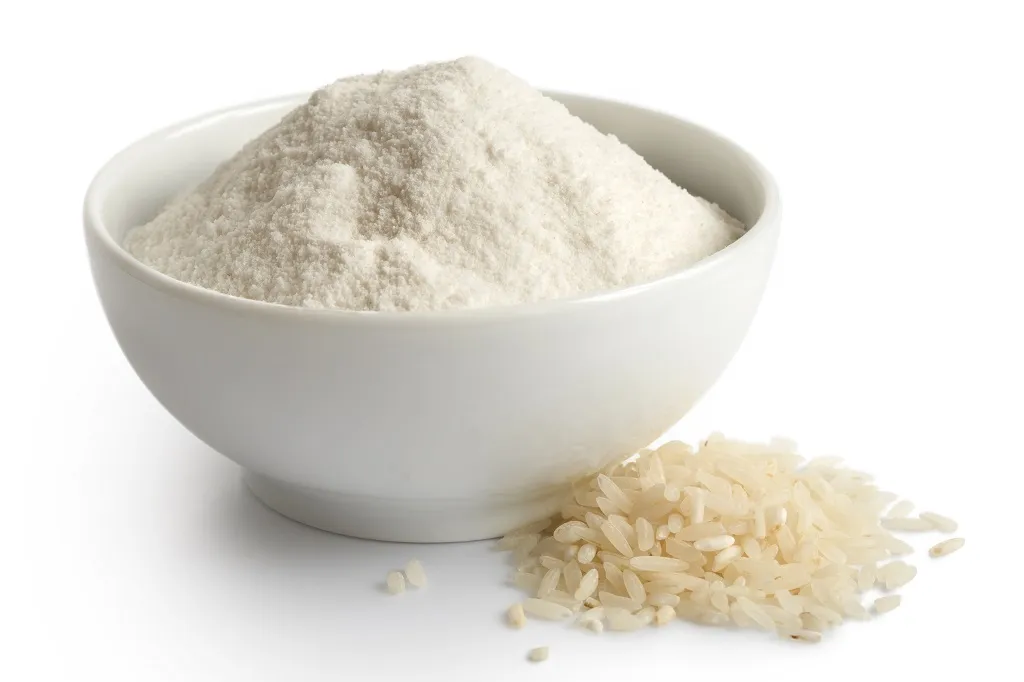
Rice flour, a finely milled powder derived from rice grains, has been a staple ingredient in skincare routines across Asia for centuries. Its popularity stems from its gentle exfoliating properties and its potential to brighten and even out skin tone. But how does this simple pantry item work its magic? The effectiveness of rice flour lies in its composition. It contains antioxidants, vitamins, and minerals that can help combat free radicals, promote healthy skin cell turnover, and reduce the appearance of blemishes. Furthermore, the starch in rice flour is known for its soothing and anti-inflammatory properties, making it suitable for various skin types.
The Science Behind Rice Flour for Skin Whitening
The skin-whitening effect of rice flour is primarily attributed to its ability to gently exfoliate the skin, removing dead skin cells and revealing the brighter, newer skin underneath. This process can reduce the appearance of dark spots, sunspots, and hyperpigmentation, leading to a more even skin tone. Rice flour also contains compounds that may help inhibit the production of melanin, the pigment responsible for skin color. Although the exact mechanisms are still being studied, the combined effects of exfoliation and potential melanin inhibition contribute to rice flour’s reputation as a skin-brightening agent. Research indicates that rice flour has properties to protect the skin from sun damage.
Different Types of Rice Flour and Their Effects

Not all rice flours are created equal, and the type of rice used can influence its properties. White rice flour, the most common variety, is known for its gentle exfoliating action and is suitable for most skin types. Brown rice flour, on the other hand, contains more fiber and nutrients, offering additional antioxidant benefits. It can be slightly more abrasive, so those with sensitive skin should use it with caution. Glutinous rice flour, also known as sweet rice flour, has a stickier texture and is often used in face masks for its moisturizing properties. For skin whitening, white rice flour is generally preferred due to its finer texture and gentler exfoliating action.
Rice Flour for Skin Whitening
Rice flour’s effectiveness in skin whitening primarily comes from its ability to exfoliate the skin gently. Regular use can remove the outer layer of dead skin cells, revealing a fresher, brighter complexion. Moreover, the starch in rice flour can absorb excess oil, making it beneficial for those with oily or acne-prone skin. Rice flour also helps reduce the appearance of blemishes and dark spots, contributing to a more even skin tone. The fine particles of rice flour make it an excellent ingredient for creating face masks and scrubs that gently slough away impurities.
Exfoliation with Rice Flour
Exfoliation is a key step in skin whitening, and rice flour offers a natural and effective way to achieve this. The fine particles of rice flour act as a gentle abrasive, removing dead skin cells without causing harsh irritation. This process promotes cell turnover, revealing a smoother, brighter complexion. To use rice flour as an exfoliant, mix it with water, milk, or yogurt to create a paste, then gently massage it onto your face in circular motions. Rinse thoroughly with warm water and pat your skin dry. Exfoliating with rice flour can also unclog pores and prevent breakouts.
Rice Flour Face Masks for Whitening

Face masks are an excellent way to harness the whitening properties of rice flour. By combining rice flour with other beneficial ingredients, you can create customized masks that target specific skin concerns. The key is to use fresh, high-quality ingredients and to apply the mask regularly for the best results. There are numerous recipes you can try, each offering unique benefits. Rice flour face masks can help lighten dark spots, reduce hyperpigmentation, and give your skin a radiant glow. Always do a patch test before applying a mask to your entire face to check for any allergic reactions.
Rice Flour Mask with Yogurt
Yogurt contains lactic acid, a gentle exfoliant that can help brighten and smooth the skin. Combining yogurt with rice flour creates a potent yet gentle mask that can improve skin tone and texture. Mix equal parts rice flour and plain yogurt to create a smooth paste. Apply to your face and let it sit for 15-20 minutes before rinsing with warm water. This mask is especially beneficial for those with dry or sensitive skin, as yogurt helps to soothe and moisturize.
Rice Flour Mask with Honey
Honey is a natural humectant and antibacterial agent, making it a great addition to any face mask. It helps to hydrate the skin, reduce inflammation, and fight acne. Combine rice flour with honey and a small amount of water to form a paste. Apply the mask to your face and let it sit for 15-20 minutes before rinsing. This mask is suitable for most skin types and can help to brighten, hydrate, and soothe the skin. Honey also has properties that promote faster healing.
Rice Flour Mask with Lemon Juice
Lemon juice is a natural bleaching agent that can help lighten dark spots and even out skin tone. However, it is important to use lemon juice cautiously, as it can be irritating to some skin types. Mix rice flour with a few drops of lemon juice and water to create a paste. Apply the mask to your face and let it sit for no more than 10-15 minutes before rinsing. Be sure to moisturize your skin afterward and avoid sun exposure, as lemon juice can increase sun sensitivity. Use this mask in moderation.
Rice Flour Skin Whitening Recipes
Numerous recipes combine rice flour with other ingredients to maximize its skin-whitening benefits. These recipes often include ingredients with known skin-brightening properties, such as turmeric, milk, and aloe vera. Experimenting with different combinations can help you find the perfect mask for your skin type and concerns. Always remember to do a patch test before applying any new mask to your entire face. Consistency is key, so incorporate these masks into your regular skincare routine for optimal results.
Rice Flour and Turmeric Whitening Mask
Turmeric is a powerful antioxidant and anti-inflammatory agent that can help brighten the skin and reduce the appearance of blemishes. Combine rice flour with a pinch of turmeric powder and a small amount of water or milk to create a paste. Apply the mask to your face and let it sit for 15-20 minutes before rinsing. This mask is particularly effective for reducing inflammation, lightening dark spots, and giving your skin a healthy glow. Be mindful of the turmeric, as it can stain the skin temporarily. Using fresh turmeric has the best results.
Rice Flour and Milk Whitening Mask

Milk contains lactic acid, which gently exfoliates the skin, revealing a brighter complexion. Combine rice flour with milk to create a smooth paste. Apply the mask to your face and let it sit for 15-20 minutes before rinsing. This mask is suitable for most skin types and helps to brighten and moisturize the skin. The lactic acid in milk also helps reduce the appearance of fine lines and wrinkles. You can use regular milk or, for extra benefits, use milk containing high fat content. Also, you can use the powder of dry milk.
Rice Flour and Aloe Vera Whitening Mask
Aloe vera is known for its soothing and hydrating properties, making it an excellent addition to any skin-whitening mask. Combine rice flour with fresh aloe vera gel to create a paste. Apply the mask to your face and let it sit for 15-20 minutes before rinsing. This mask is particularly beneficial for those with sensitive or irritated skin. Aloe vera helps to soothe the skin while rice flour exfoliates and brightens. This mask is great for reducing redness as well.
Tips for Using Rice Flour on Your Skin
To maximize the benefits of rice flour for skin whitening, follow these tips. Always start with a clean face to ensure the mask penetrates effectively. Apply the mask evenly, avoiding the eye and lip areas. Leave the mask on for the recommended time, and then rinse thoroughly with lukewarm water. Pat your skin dry gently with a soft towel. After rinsing, apply a moisturizer to hydrate and protect your skin. Consistent use is key, so incorporate rice flour masks into your skincare routine regularly. Also, avoid direct sun exposure after using a mask with lemon juice. Applying the mask at night is a good choice.
Patch Test and Precautions

Before applying any new skincare product or mask to your entire face, always perform a patch test. Apply a small amount of the mask to a discreet area of your skin, such as your inner arm, and wait for 24 hours to check for any adverse reactions, such as redness, itching, or irritation. If you experience any of these symptoms, discontinue use immediately. This precaution is especially important if you have sensitive skin or are trying new ingredients. A patch test helps to prevent allergic reactions and ensures your skin can tolerate the mask.
Consistency and Application
Consistency is key when using rice flour for skin whitening. Aim to incorporate rice flour masks into your skincare routine at least once or twice a week for best results. Be patient and persistent, as it may take several weeks or months to see noticeable improvements. Apply the mask evenly to your face, avoiding the delicate eye and lip areas. For even application, use a cosmetic brush or your clean fingers. Avoid using too much force when applying the mask, especially if you have sensitive skin. A gentle, even application is all that’s needed.
Storage and Shelf Life of Rice Flour Masks
Homemade rice flour masks do not contain preservatives, so it’s essential to store them properly to maintain their effectiveness and prevent spoilage. Prepare only as much mask as you need for each application. If you have leftover mask, store it in an airtight container in the refrigerator for up to a few days. However, it’s best to use the mask immediately to maximize its benefits. Always check the ingredients’ expiration dates and discard any mask that shows signs of spoilage, such as a change in color or odor. Fresh ingredients ensure the best results.
Expected Results and Realistic Expectations

While rice flour is a beneficial ingredient for skin whitening, it’s important to have realistic expectations. Rice flour can help to lighten dark spots, even out skin tone, and brighten your complexion. However, it may not provide dramatic results overnight. The effectiveness of rice flour depends on various factors, including skin type, the severity of the skin concerns, and the consistency of use. Be patient and persistent, and you should start to see improvements over time. Combining rice flour with other skincare practices, such as sun protection and a healthy lifestyle, can further enhance its effects.
Maximizing Whitening with Rice Flour
To maximize the skin-whitening benefits of rice flour, incorporate it into a comprehensive skincare routine. This includes regular exfoliation, cleansing, moisturizing, and sun protection. Use rice flour masks consistently, at least once or twice a week. Exfoliate your skin gently before applying the mask to remove dead skin cells and improve absorption. After using the mask, apply a moisturizer to hydrate and protect your skin. Always wear sunscreen with an SPF of 30 or higher to prevent sun damage and maintain the results. Drink plenty of water and eat a healthy diet to support overall skin health.
Combining Rice Flour with Other Ingredients
Combining rice flour with other natural ingredients can enhance its skin-whitening benefits. Ingredients like yogurt, honey, lemon juice, and turmeric have properties that complement rice flour’s effects. Yogurt provides lactic acid for gentle exfoliation and brightening. Honey hydrates and has antibacterial properties. Lemon juice is a natural bleaching agent. Turmeric is a powerful antioxidant and anti-inflammatory agent. Experiment with different combinations to find the perfect mask for your skin type. Always perform a patch test before trying any new combination, and adjust the recipe to suit your skin’s needs.
Other Natural Ingredients for Skin Whitening
Several other natural ingredients can be combined with rice flour to boost its skin-whitening effects. Aloe vera soothes and hydrates the skin, reducing inflammation. Milk contains lactic acid, which gently exfoliates and brightens. Oatmeal gently exfoliates and reduces inflammation. Honey hydrates and has antibacterial properties. These ingredients can be incorporated into rice flour masks or used in conjunction with rice flour-based skincare routines. Combining various natural ingredients can provide a synergistic effect, enhancing skin whitening and promoting overall skin health. Natural ingredients are effective, especially when combined.
The Benefits of Rice Flour Beyond Whitening
Rice flour offers benefits beyond skin whitening, including improved skin texture, reduced inflammation, and gentle exfoliation. It can help to control oil production, making it suitable for those with oily or acne-prone skin. Regular use of rice flour masks can also reduce the appearance of blemishes and dark spots, leading to a clearer complexion. The antioxidants in rice flour can help protect the skin from free radicals, reducing the signs of aging. Rice flour is a versatile ingredient that can contribute to overall skin health.
Other Skin Benefits
In addition to whitening and brightening the skin, rice flour offers several other benefits. It can help to soothe irritated skin and reduce inflammation. The gentle exfoliating properties of rice flour can improve skin texture, making it smoother and softer. Rice flour also helps to absorb excess oil, making it beneficial for those with oily skin. The vitamins and minerals in rice flour contribute to overall skin health, promoting a healthy, radiant complexion. Using rice flour regularly can improve overall skin health and appearance.
Where to Buy Rice Flour
Rice flour is readily available in most grocery stores, health food stores, and online retailers. Look for finely milled rice flour, as this texture is best for skincare purposes. Ensure you purchase the rice flour from a reliable source to ensure its quality and purity. Store the rice flour in a cool, dry place, away from direct sunlight, to maintain its freshness. When purchasing rice flour, check the expiration date. It is important to choose high-quality rice flour for optimal results in your skincare routine.
Choosing the Right Type of Rice Flour
Choosing the right type of rice flour is important for achieving the desired results. White rice flour is the most common choice, suitable for most skin types due to its gentle exfoliating properties. Brown rice flour offers additional nutrients but can be slightly more abrasive. Those with sensitive skin should opt for white rice flour. Make sure the rice flour is finely milled to create a smooth and effective mask or scrub. Consider experimenting with different types of rice flour to find what suits your skin best. White rice flour is the safest choice for most people.
Common Mistakes to Avoid
Avoid these common mistakes when using rice flour for skin whitening. Avoid over-exfoliating, as it can lead to irritation and damage. Do not use expired rice flour, as it may not be effective. Protect your skin from the sun after using lemon juice or other ingredients that increase sun sensitivity. Always perform a patch test before applying a mask to your entire face. Do not expect overnight results, as it takes time and consistency to see noticeable improvements. Be patient and persistent to achieve the desired results.
Over-Exfoliating Your Skin
Over-exfoliating your skin can lead to several negative consequences. It can strip away the skin’s natural oils, leading to dryness, irritation, and inflammation. It can also damage the skin barrier, making it more susceptible to environmental stressors and infections. To avoid over-exfoliation, use rice flour masks no more than twice a week. Be gentle when applying the mask, and avoid harsh scrubbing. If you notice any signs of irritation, such as redness or burning, reduce the frequency of use or discontinue use. It’s important to find a balance to achieve the desired results without harming your skin.
Using Expired Rice Flour
Using expired rice flour can be ineffective and may potentially harm your skin. Expired rice flour may have lost its potency and nutrients, reducing its skin-whitening benefits. It may also harbor bacteria or mold, causing skin irritation or infection. Always check the expiration date on the rice flour package and discard it if it has expired. Store the rice flour properly in a cool, dry place to maintain its freshness and extend its shelf life. Using fresh, high-quality rice flour is crucial for achieving the best results in your skincare routine.
Rice Flour for Whitening Skin Myths and Facts
There are many myths and facts surrounding the use of rice flour for skin whitening. One common myth is that rice flour can instantly whiten the skin. The truth is that rice flour offers gradual, long-term results through exfoliation and potential melanin inhibition. Another myth is that rice flour is effective for all skin types. While generally safe, some individuals with sensitive skin may experience irritation. The fact is that rice flour is a natural and effective ingredient for skin whitening when used correctly and consistently. It is best used as part of a holistic skincare routine. It is important to be aware of these myths and facts to make informed decisions.