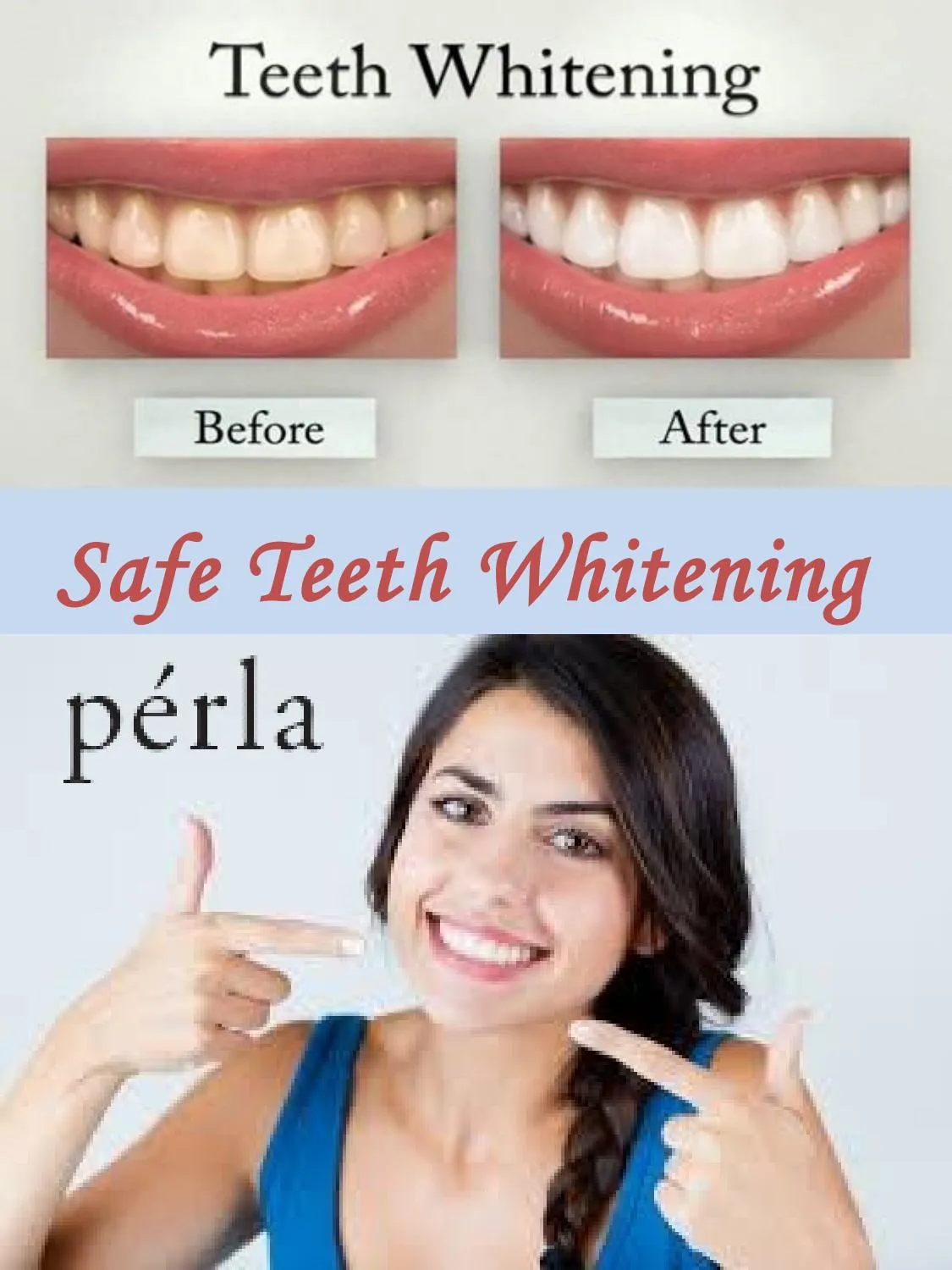
What Makes Teeth Whitening Safe An Overview
Teeth whitening has become a popular cosmetic procedure, promising brighter smiles and enhanced self-esteem. However, with the widespread availability of whitening products, it’s crucial to understand what constitutes safe teeth whitening practices. Several factors contribute to the overall safety of these treatments, including the active ingredients used, the concentration of these ingredients, and the methods of application. Furthermore, the type of product chosen, whether professional or over-the-counter (OTC), plays a significant role in determining the potential risks and benefits involved. Understanding these elements allows individuals to make informed decisions, minimize potential harm, and achieve the desired whitening results while maintaining optimal oral health. It is very important to consider the differences between professional and at-home products, and to understand the importance of consulting with a dentist before starting any whitening regimen.
Whitening Ingredient Hydrogen Peroxide
The primary active ingredient responsible for teeth whitening is typically hydrogen peroxide or its derivative, carbamide peroxide. These compounds work by penetrating the enamel and dentin of the teeth, breaking down the stain molecules that cause discoloration. The effectiveness of the whitening process hinges on the concentration of these peroxides and the duration of their contact with the teeth. The higher the concentration, the faster the whitening effect, but also the greater the potential for side effects, such as sensitivity and gum irritation. Therefore, the safe use of hydrogen peroxide in teeth whitening involves carefully balancing the desired whitening outcome with the potential risks associated with higher concentrations and prolonged exposure times. The process of whitening involves chemical reactions that, when properly managed, can deliver significant aesthetic improvements without compromising the structural integrity of the teeth.
Hydrogen Peroxide Concentrations

Hydrogen peroxide concentrations vary significantly between professional and OTC products. Professional whitening treatments, administered by a dentist, often use higher concentrations of hydrogen peroxide, sometimes reaching up to 40%. These treatments are closely monitored, with measures taken to protect the gums and soft tissues, minimizing the risk of irritation and other adverse effects. OTC products, on the other hand, are formulated with lower concentrations, usually between 3% and 10%. This reduced concentration makes them safer for unsupervised use at home, but it also means that the whitening process may take longer and the results might be less dramatic. Understanding these concentration differences is essential when choosing a whitening method, as it directly impacts both the effectiveness of the treatment and the potential for side effects. Always follow the instructions carefully, and if you experience any adverse reactions, such as excessive sensitivity or gum irritation, consult your dentist immediately.
Is It Safe Professional vs OTC Products
Professional Whitening Benefits and Risks
Professional teeth whitening offers several advantages. Dentists can use higher concentrations of whitening agents, leading to quicker and more dramatic results. They also have the expertise to protect the gums and other soft tissues during the treatment, minimizing the risk of irritation and other side effects. Another benefit is the ability to address underlying dental issues, such as cavities or gum disease, before the whitening process begins, ensuring a healthier foundation for a brighter smile. However, professional whitening is not without its risks. Side effects can include increased tooth sensitivity and gum irritation, although these are typically temporary. The cost is often higher than OTC options, but the controlled environment and professional supervision often provide a safer and more effective whitening experience. Consulting with a dentist can also determine the best whitening method for your specific needs and oral health condition.
OTC Whitening Products Safety Concerns

OTC teeth whitening products are readily available and offer a convenient option for consumers. They typically contain lower concentrations of whitening agents, reducing the risk of severe side effects, but the effectiveness can vary. The primary safety concerns with OTC products revolve around improper use and the potential for misuse. Overuse of whitening strips or gels can lead to increased tooth sensitivity and gum irritation. Additionally, some products may not be suitable for individuals with certain dental conditions, such as sensitive teeth, cavities, or gum disease. It’s crucial to carefully read and follow all product instructions to minimize risks. The absence of professional oversight means that consumers must be more vigilant in monitoring their oral health and seeking professional advice if they experience any adverse effects. Choosing reputable brands and products that carry the ADA Seal of Acceptance can help ensure a safer whitening experience.
Teeth Sensitivity A Common Side Effect
Increased tooth sensitivity is a common side effect of teeth whitening treatments, both professional and OTC. This occurs when the whitening agents penetrate the enamel and reach the dentin, which contains tiny tubules that lead to the nerve of the tooth. The peroxide agents can irritate the nerve, causing temporary sensitivity to hot, cold, or sweet foods and drinks. The severity of the sensitivity can vary depending on the concentration of the whitening agent, the duration of the treatment, and the individual’s natural tooth sensitivity. While usually temporary, it is an important aspect to consider when choosing a whitening method. Pre-existing conditions, such as receding gums or thin enamel, can increase the likelihood and severity of sensitivity. Fortunately, there are ways to manage and alleviate sensitivity, allowing individuals to continue whitening treatments without significant discomfort.
Sensitivity Causes and Management
The causes of teeth sensitivity during whitening primarily relate to the penetration of peroxide agents into the tooth structure, which then irritates the nerves. Management strategies include using lower concentrations of whitening agents, shortening the duration of treatment, and applying desensitizing agents. Sensitivity is often at its peak during the first few days of treatment, and then gradually subsides as the teeth adjust. Individuals can also reduce the frequency of whitening treatments or take breaks to allow their teeth to recover. Avoiding foods and drinks that trigger sensitivity, such as hot coffee or ice cream, can also help. It is important to discuss any concerns with your dentist, who can provide specific recommendations based on your oral health. They may also prescribe a fluoride treatment to strengthen the enamel and reduce sensitivity. Overall, by understanding the causes and implementing appropriate management strategies, you can minimize discomfort and continue your whitening journey effectively.
Sensitivity Relief Options

Several options are available to provide relief from teeth sensitivity during whitening. Desensitizing toothpastes, which contain ingredients like potassium nitrate or stannous fluoride, help block the tubules in the dentin, reducing nerve irritation. Using these toothpastes for a few weeks before starting whitening, and throughout the treatment, can help build a protective barrier. Dentists can also provide professional-strength fluoride treatments or apply desensitizing agents directly to the teeth. In some cases, over-the-counter pain relievers, such as ibuprofen, can help manage discomfort. Avoiding highly acidic foods and drinks, which can further irritate the teeth, is also advisable. If sensitivity is severe or persistent, it is important to consult your dentist. They can assess your situation and recommend the most appropriate course of action. In many cases, these measures provide significant relief and allow individuals to continue their whitening treatment without undue discomfort.
Enamel Damage The Long-Term Effects
One of the primary concerns associated with teeth whitening is the potential for enamel damage. While most whitening products are designed to be safe, excessive or improper use can lead to the erosion of the enamel, the hard, protective outer layer of the tooth. Enamel erosion weakens the teeth, making them more susceptible to cavities, sensitivity, and other dental problems. The risk of enamel damage is higher with products containing high concentrations of whitening agents or those that are used for extended periods. Furthermore, certain factors, such as pre-existing dental conditions, poor oral hygiene, and a diet high in acidic foods and drinks, can increase vulnerability. It is therefore crucial to follow product instructions carefully, consult with a dentist before starting treatment, and maintain good oral hygiene practices to minimize the risk of enamel damage and protect your teeth.
Enamel Erosion What to Watch For
Recognizing the signs of enamel erosion is essential for protecting your oral health. Early signs include increased tooth sensitivity, especially to hot, cold, or sweet foods and drinks. The teeth may also appear more translucent, with a slightly yellowish color. Over time, erosion can lead to changes in the tooth’s shape and texture, and even the formation of small pits or grooves. It is crucial to pay attention to these changes and take action if you notice any of them. Regular dental check-ups are critical for detecting early signs of erosion, allowing your dentist to intervene before significant damage occurs. You should also be mindful of your diet and oral hygiene habits, avoiding excessive consumption of acidic foods and drinks and practicing gentle brushing techniques. Any changes to the teeth that are noticed should be discussed with your dentist promptly.
How to Protect Your Enamel

Protecting your enamel involves a combination of preventive measures and good oral hygiene practices. The most important step is to follow the instructions provided with any teeth whitening product carefully, and avoid overuse. Using a desensitizing toothpaste containing fluoride can help strengthen the enamel and reduce sensitivity. A balanced diet low in acidic foods and drinks, such as citrus fruits, soda, and sports drinks, can also help protect the enamel. Practicing gentle brushing techniques with a soft-bristled toothbrush, and avoiding excessive force, helps prevent enamel erosion. Regular dental check-ups and professional cleanings are essential for removing plaque and tartar and for detecting any signs of enamel damage early. If you are considering teeth whitening, consult your dentist first to assess your oral health and determine the safest and most appropriate whitening method for you. This proactive approach maximizes the benefits of teeth whitening while minimizing the risk of enamel damage and ensuring a healthy, beautiful smile.
Gum Irritation Prevention and Care
Gum irritation is another potential side effect of teeth whitening. It can manifest as redness, swelling, and soreness, often resulting from contact with the whitening agent. Professional whitening treatments often involve the use of protective barriers to shield the gums from the high concentrations of the whitening product. OTC products may not offer the same level of protection, making it important to follow instructions carefully and to be vigilant for any signs of irritation. If you experience gum irritation, it is important to stop the treatment and consult with your dentist. Proper care involves avoiding harsh brushing or flossing, using a gentle mouthwash, and applying a soothing agent. The goal is to reduce inflammation and allow the gums to heal. In some cases, your dentist may recommend a different whitening method or adjust the treatment plan to minimize irritation and ensure your oral health.
Gum Issues Causes and Solutions
Gum irritation during teeth whitening can result from several factors. The whitening agent, often hydrogen peroxide, can come into direct contact with the gums, leading to inflammation and irritation. This is more likely with higher concentrations of the whitening agent, or with products that are not properly applied, allowing them to seep onto the gums. Pre-existing gum conditions, such as gingivitis or periodontitis, can also increase the risk and severity of irritation. Solutions include using products with lower concentrations of whitening agents and ensuring proper application techniques. In professional settings, dentists take precautions such as using protective barriers. If irritation occurs, discontinuing the whitening treatment and consulting with a dentist is recommended. Your dentist can recommend an appropriate treatment plan and may suggest the use of an anti-inflammatory agent or a soothing mouthwash to help your gums heal.
Choosing the Right Whitening Product

Selecting the appropriate teeth whitening product is essential for achieving safe and effective results. Consider factors such as your oral health, your desired level of whitening, and your budget. Professional whitening, performed by a dentist, offers the most controlled and potentially safest option, with the added benefit of professional assessment and gum protection. OTC products come in various forms, including whitening strips, gels, and toothpastes. Be sure to read reviews and compare products, and check for the ADA Seal of Acceptance, which signifies that the product meets specific safety and efficacy standards. Be sure to assess any existing dental work, and if the product is not effective or safe for your particular situation.
ADA Seal of Acceptance
The ADA Seal of Acceptance is a mark of quality and safety for dental products. When a product carries this seal, it means that the American Dental Association has reviewed it and determined that it meets specific standards for safety and effectiveness. The ADA evaluates products based on scientific evidence, ensuring they perform as claimed and pose no undue risks to the consumer. Choosing products with the ADA Seal of Acceptance can provide peace of mind, as it indicates that the product has undergone rigorous testing and has been proven safe and effective for its intended use. This seal is particularly important for OTC teeth whitening products, providing consumers with a reliable way to identify products that meet the highest standards of safety and quality. Always look for this seal when selecting any oral health product, including teeth whitening treatments.
Consulting Your Dentist
Consulting your dentist is a crucial step before starting any teeth whitening treatment. A dentist can assess your oral health, identifying any existing dental issues such as cavities, gum disease, or enamel erosion, that need to be addressed before whitening. They can also determine if teeth whitening is appropriate for you, considering your individual needs and circumstances. They can recommend the most effective and safest whitening method for your situation, whether it’s professional whitening or an OTC product. Your dentist can also provide instructions on the proper use of whitening products, monitor your progress, and help manage any potential side effects, such as sensitivity or gum irritation. Regular dental check-ups and professional cleanings can help ensure that your teeth are healthy and that you achieve the best possible whitening results while minimizing any risks. A professional assessment will ensure that your smile is both beautiful and healthy.
Alternative Teeth Whitening Methods

Besides professional and OTC whitening products, several alternative methods can help improve the appearance of your smile. These options are often gentler and may be suitable for individuals seeking a more natural approach or those with sensitive teeth. Some alternative methods include using whitening toothpastes, which can help remove surface stains, and incorporating oil pulling with coconut oil, though there is limited scientific evidence to support significant whitening. Another alternative is to maintain a diet that limits foods that stain teeth, such as coffee, tea, and red wine. Professional teeth cleaning, performed by a dentist, can effectively remove surface stains and improve the overall brightness of your smile. Ultimately, consulting with your dentist is essential to explore the best alternative methods that align with your individual needs and preferences while ensuring optimal oral health.