Understanding Sensitive Teeth and Whitening
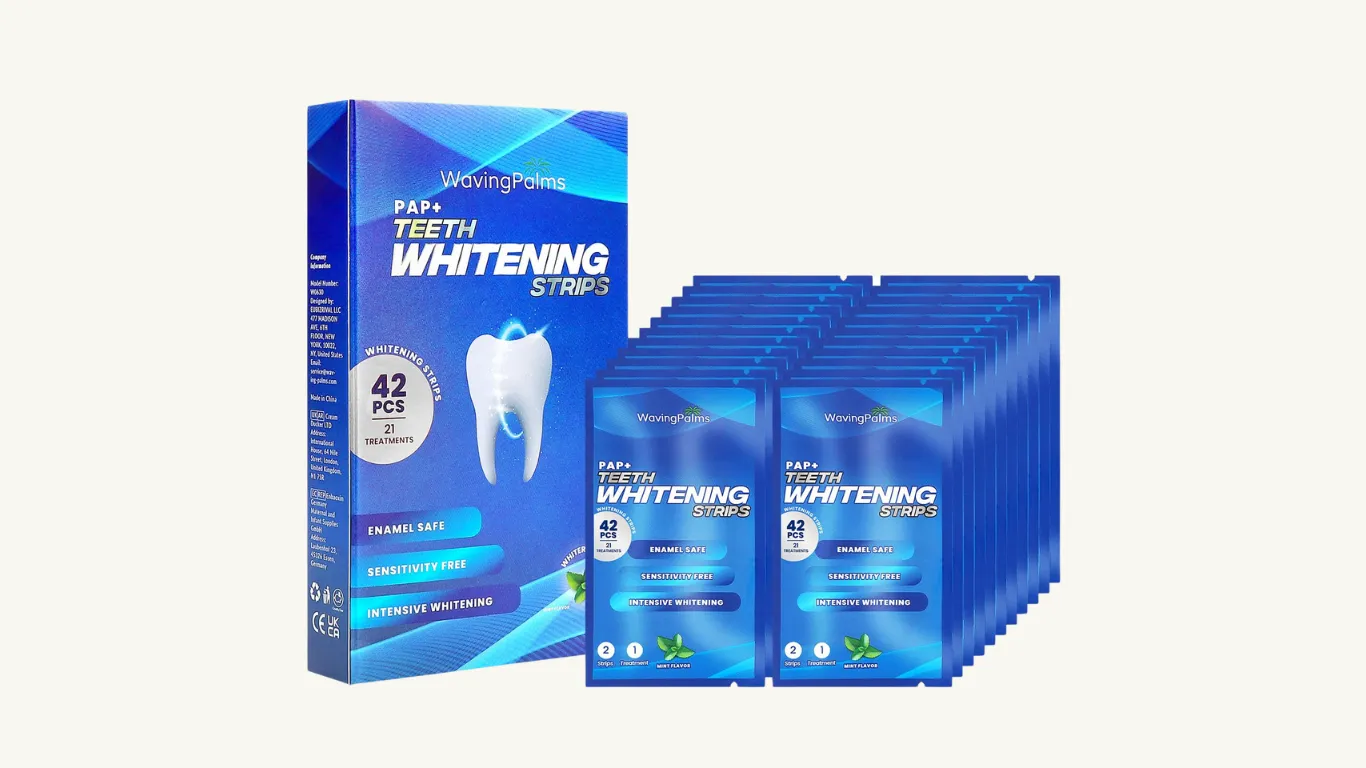
Dealing with sensitive teeth can be a daily struggle, especially when you also desire a brighter, whiter smile. The combination of sensitivity and the desire for teeth whitening requires a careful approach. This article explores the best toothpastes designed specifically for sensitive teeth while effectively whitening them. We’ll delve into the causes of tooth sensitivity, the ingredients to watch out for, and the key features that make a toothpaste suitable for this delicate balance. Choosing the right toothpaste is crucial for maintaining oral health and achieving the smile you’ve always wanted without discomfort.
What Causes Tooth Sensitivity?
Tooth sensitivity arises when the protective enamel on your teeth wears down or when the gums recede, exposing the underlying dentin. Dentin contains tiny tubules that lead to the tooth’s nerve. When these tubules are exposed, hot, cold, sweet, or acidic foods and drinks can stimulate the nerve, causing sharp, temporary pain. Common causes of enamel erosion include aggressive brushing, using abrasive toothpastes, consuming acidic foods and drinks, and teeth grinding. Receding gums can be caused by gum disease, improper brushing, and aging. Addressing the underlying cause is essential, and using the right toothpaste can significantly alleviate the symptoms.
In addition to the factors above, some people are simply more prone to sensitive teeth. Genetics can play a role in enamel thickness and overall tooth structure. Dental procedures such as teeth whitening, fillings, and crowns can also temporarily increase sensitivity. It’s important to communicate any increased sensitivity to your dentist, who can provide specific advice and treatments tailored to your needs. They may recommend a desensitizing toothpaste, fluoride treatments, or other interventions to protect your teeth and minimize discomfort.
Ingredients to Avoid in Whitening Toothpaste

When you have sensitive teeth, certain ingredients commonly found in whitening toothpastes can exacerbate the problem. Sodium lauryl sulfate (SLS), a foaming agent, can irritate the gums and dentin. Abrasive ingredients such as silica and hydrated silica, used to scrub away stains, can further wear down enamel. Hydrogen peroxide, a bleaching agent, can also cause sensitivity, especially at higher concentrations. Alcohol and artificial flavors can also contribute to irritation. Carefully reviewing the ingredient list is crucial before selecting any whitening toothpaste. Look for toothpastes with gentler ingredients, and always consult with your dentist if you’re unsure.
Instead of harsh chemicals, consider toothpastes that utilize gentler whitening agents like potassium nitrate, which helps block pain signals from the nerves, and stannous fluoride, which protects against sensitivity and cavities. Other effective ingredients include enzymes that break down stains and naturally derived cleaning agents. When selecting a whitening toothpaste, look for products that are specifically formulated for sensitive teeth, often labeled as ‘gentle whitening’ or ‘sensitivity relief.’ These products typically contain lower concentrations of bleaching agents and are designed to minimize irritation.
Why Choose a Whitening Toothpaste for Sensitive Teeth?
Choosing a whitening toothpaste designed for sensitive teeth offers several benefits. It allows you to achieve a brighter smile without causing or worsening discomfort. These toothpastes are formulated with ingredients that are less likely to irritate the gums and teeth while still effectively removing surface stains. They often contain desensitizing agents that help block pain signals and strengthen enamel. This approach helps you maintain good oral hygiene and improve aesthetics without compromising your comfort.
Furthermore, many whitening toothpastes for sensitive teeth incorporate additional ingredients to improve overall oral health. Fluoride strengthens enamel and protects against cavities, while other ingredients can fight gum disease and freshen breath. By selecting a toothpaste specifically designed for your needs, you’re making a choice that prioritizes both your comfort and long-term dental well-being. It’s a win-win situation that allows you to address your cosmetic goals without sacrificing your oral health.
Top 5 Toothpastes for Sensitive Teeth Whitening
Here is a curated list of the top 5 toothpastes for sensitive teeth, each selected for its effectiveness in whitening and gentleness on sensitive teeth. These options offer a range of features and benefits to meet different needs. They are formulated with careful consideration for ingredient selection, user reviews, and overall effectiveness.
Toothpaste 1

This toothpaste is a top choice because of its balanced approach to whitening and sensitivity relief. It often contains potassium nitrate to soothe sensitive nerves and a low concentration of hydrogen peroxide or other whitening agents to gently remove stains. The formula is designed to be non-abrasive, protecting the enamel. This toothpaste is frequently recommended by dentists for patients with sensitive teeth seeking a whiter smile.
Key Ingredients and Benefits: This product is typically formulated with potassium nitrate (for sensitivity relief), fluoride (for cavity protection), and a low concentration of hydrogen peroxide (for whitening). It may also contain mild abrasives like hydrated silica for stain removal and gentle cleaning. Benefits include reduced sensitivity, cavity protection, and gentle stain removal.
User Reviews and Ratings: Users often praise this toothpaste for its ability to whiten teeth without causing irritation. Many report a noticeable reduction in sensitivity after regular use. Reviews frequently highlight the pleasant taste and overall effectiveness. However, some users may find the whitening effect to be less pronounced compared to more aggressive whitening toothpastes.
Toothpaste 2
This toothpaste stands out due to its use of innovative whitening technology that combines effective stain removal with gentle care for sensitive teeth. It may use a combination of enzymes, mild abrasives, and low-concentration whitening agents. The formula often prioritizes enamel health, preventing further sensitivity issues while promoting a brighter smile. The product is frequently recommended for its versatility.
Key Ingredients and Benefits: Key ingredients often include enzymes (to break down stains), stannous fluoride (for sensitivity and cavity protection), and mild abrasives. Benefits include effective stain removal, sensitivity relief, and enamel protection.
User Reviews and Ratings: Users commonly report that this toothpaste provides noticeable whitening results without the harshness of other products. Positive feedback often emphasizes the gentle, non-irritating formula and the improvement in tooth sensitivity. Some users appreciate the product’s ability to strengthen teeth while also whitening. A few users might find the whitening effect less dramatic than desired, but the overall satisfaction is high.
Toothpaste 3
Toothpaste 3 is a popular choice for its focus on natural ingredients. It often excludes SLS and other harsh chemicals, making it suitable for those with highly sensitive teeth. This toothpaste usually incorporates natural whitening agents, such as activated charcoal or baking soda, to gently remove stains. It prioritizes overall oral health, using ingredients that are gentle on the gums and enamel.
Key Ingredients and Benefits: Key ingredients often include activated charcoal or baking soda (for gentle whitening), xylitol (to prevent cavities), and essential oils (for fresh breath). Benefits include natural whitening, gentle cleaning, and fresh breath.
User Reviews and Ratings: Users often commend this toothpaste for its natural approach and its ability to whiten teeth without causing irritation. Reviews often mention the absence of harsh chemicals and the improved freshness of breath. Some users report a slower whitening process compared to other options, but the overall satisfaction level is usually quite high.
Toothpaste 4

This toothpaste is another excellent option for its effective desensitizing properties combined with a moderate whitening action. It typically contains ingredients that actively block pain signals from the tooth nerves, providing rapid relief from sensitivity. The whitening effect is usually achieved through gentle abrasion or mild peroxide concentrations. This toothpaste is often recommended by dentists for patients who experience severe sensitivity.
Key Ingredients and Benefits: Key ingredients often include potassium nitrate (for sensitivity), fluoride (for cavity protection), and mild abrasives or low-level peroxide (for stain removal). Benefits include rapid sensitivity relief, cavity protection, and moderate whitening.
User Reviews and Ratings: Users frequently report that this toothpaste offers significant relief from tooth sensitivity, allowing them to consume hot or cold foods without discomfort. Reviews often mention the noticeable whitening effect and the gentle nature of the formula. Some users may find the taste less appealing compared to other options, but the effectiveness often outweighs this minor concern.
Toothpaste 5
This toothpaste often features a unique blend of ingredients designed to both whiten and protect the teeth against sensitivity. It focuses on strengthening enamel and protecting against future sensitivity issues. The whitening process is often achieved by utilizing a combination of gentle abrasion and enzymatic action. It is a trusted option for individuals with multiple oral care needs.
Key Ingredients and Benefits: Key ingredients often include hydroxyapatite (for enamel repair), stannous fluoride (for sensitivity and cavity protection), and mild enzymes (for stain removal). Benefits include enamel repair, sensitivity relief, and effective stain removal.
User Reviews and Ratings: Users often praise this toothpaste for its comprehensive approach to oral care, noting the improved enamel strength and the noticeable whitening effect. Many reviews emphasize the reduced sensitivity and the product’s ability to improve overall oral health. Some users may find the price slightly higher, but the comprehensive benefits often justify the cost.
Factors to Consider When Choosing a Toothpaste
When choosing a whitening toothpaste for sensitive teeth, several factors are critical. Consider the severity of your sensitivity, the whitening effectiveness desired, and the presence of other oral health issues. Reading product reviews and consulting your dentist can help you select the right option.
Sensitivity Level

Assess your sensitivity level. If you have mild sensitivity, a toothpaste with potassium nitrate and a moderate whitening effect might suffice. For severe sensitivity, prioritize toothpastes with desensitizing agents and gentler whitening methods. Your dentist can help determine the best approach based on your specific needs.
Whitening Effectiveness
Consider the degree of whitening you desire. Some toothpastes offer moderate whitening, while others provide more significant results. Be mindful that more aggressive whitening can increase sensitivity. Balance your whitening goals with the need for comfort and sensitivity relief.
Other Oral Health Benefits
Look for toothpastes that offer additional oral health benefits, such as cavity protection (fluoride), gum health (stannous fluoride), and fresh breath. Combining these benefits can enhance your overall oral health.
Cost and Availability

Compare prices and consider where the toothpaste is available. Some toothpastes are available at local drugstores, while others are available online. Weigh the cost against the benefits and ease of access.
Tips for Using Whitening Toothpaste for Sensitive Teeth
Proper usage can maximize the benefits of whitening toothpaste for sensitive teeth while minimizing potential side effects.
Proper Brushing Technique
Brush gently with a soft-bristled toothbrush to avoid damaging enamel and irritating gums. Use a circular motion and avoid excessive pressure. Brush for two minutes, twice a day, to effectively clean your teeth.
Dietary Considerations
Limit the consumption of staining foods and drinks, such as coffee, tea, red wine, and berries. Rinse your mouth with water after consuming these items to minimize their impact. Consider using a straw to reduce contact with your teeth.
Regular Dental Check-ups
Visit your dentist regularly for check-ups and cleanings. They can monitor your oral health and address any issues promptly. They can also provide professional whitening treatments or recommend more effective strategies based on your needs.
Frequently Asked Questions
Can whitening toothpaste damage sensitive teeth?

Some whitening toothpastes, especially those with harsh ingredients or abrasive particles, can potentially damage sensitive teeth by eroding the enamel and causing further sensitivity. However, whitening toothpastes formulated specifically for sensitive teeth are designed to minimize this risk. These toothpastes often contain gentler ingredients, such as potassium nitrate, stannous fluoride, and low concentrations of hydrogen peroxide or other whitening agents. When used correctly and as directed, these toothpastes are generally safe and effective for people with sensitive teeth.
How long does it take to see results?
The time it takes to see results from whitening toothpaste varies depending on the specific product, the severity of the stains, and your individual oral hygiene habits. Some toothpastes may start to show results within a few weeks of consistent use, while others may take longer. Generally, you can expect to see noticeable improvements in tooth whiteness within 4-8 weeks of regular use. For optimal results, follow the instructions on the toothpaste package and maintain a consistent oral hygiene routine. Keep in mind that the degree of whitening achieved through toothpaste may be more subtle compared to professional whitening treatments. If you have significant stains or want faster, more dramatic results, consult your dentist about professional whitening options.
Are there any side effects?
Side effects from using whitening toothpaste are generally mild and temporary, but can occur. The most common side effect is increased tooth sensitivity, which may manifest as a sharp pain or discomfort when consuming hot or cold foods and drinks. This is often caused by the whitening agents or abrasive particles in the toothpaste. Other possible side effects include mild gum irritation, which may present as redness, swelling, or tenderness. If you experience any of these side effects, consider switching to a toothpaste specifically designed for sensitive teeth, and consult your dentist for advice. In rare cases, some individuals may experience allergic reactions to certain ingredients in the toothpaste. Always read the ingredient list carefully and discontinue use if you notice any unusual symptoms.
Final Thoughts on Whitening Toothpaste for Sensitive Teeth

Choosing the right whitening toothpaste for sensitive teeth is about finding a balance between achieving a brighter smile and maintaining comfort and oral health. By understanding the causes of sensitivity, avoiding harsh ingredients, and selecting toothpastes specifically formulated for sensitive teeth, you can effectively whiten your teeth without compromising your comfort. Consider the top 5 toothpastes reviewed in this article as a starting point, and always consult your dentist for personalized recommendations. With the right approach, you can enjoy a confident, white smile and a healthy, happy mouth.