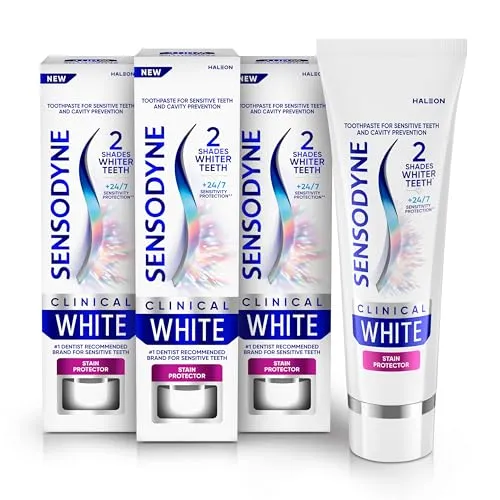
What is Sensodyne Extra Whitening
Sensodyne Extra Whitening is a specialized toothpaste designed to address two common dental concerns sensitivity and teeth discoloration. It combines the benefits of a sensitivity toothpaste with the added advantage of whitening capabilities. Unlike some whitening toothpastes that use harsh abrasives, Sensodyne Extra Whitening is formulated to be gentle on sensitive teeth. This makes it a suitable option for individuals who experience discomfort or pain when consuming cold, hot, sweet, or sour foods and drinks. The product aims to provide a dual-action solution, offering relief from sensitivity while gradually restoring the natural whiteness of teeth. Its effectiveness hinges on a unique formula that targets both the causes of sensitivity and the surface stains that dull the smile. Understanding the fundamental composition and purpose of Sensodyne Extra Whitening is the first step in evaluating how it works.
How Sensodyne Extra Whitening Works
Sensodyne Extra Whitening works through a combination of mechanisms that address tooth sensitivity and surface stains. The key to its sensitivity relief lies in its active ingredients, which help to block the pathways that transmit pain signals from the tooth’s surface to the nerves. This desensitizing action provides immediate relief from discomfort caused by external stimuli. Simultaneously, the whitening component of the toothpaste works to remove or reduce stains on the tooth’s enamel. These stains can result from the consumption of coffee, tea, wine, and other staining agents. The toothpaste contains ingredients that gently polish the teeth, lifting stains from the surface without excessively abrading the enamel. The regular use of Sensodyne Extra Whitening leads to a gradual improvement in tooth whiteness, as the stains are systematically removed, revealing the natural brightness of the teeth. This dual-action approach makes it a popular choice for people with sensitive teeth looking to enhance their smile.
The Science Behind the Whitening

The whitening action of Sensodyne Extra Whitening is rooted in the science of stain removal and enamel health. The toothpaste uses a combination of mild abrasives and chemical agents to gently lift and dissolve surface stains. These abrasives are carefully selected to provide effective cleaning without causing damage or excessive wear to the enamel. This is crucial, particularly for those with sensitive teeth, as harsh abrasives can exacerbate sensitivity. The chemical agents often include compounds that help break down the stains. The science behind the whitening also involves the use of fluoride, which strengthens the enamel, making it more resistant to future staining and decay. The consistent use of fluoride helps to remineralize the enamel, supporting its overall health and resilience. It is important to note that Sensodyne Extra Whitening is not a bleaching agent; it works to restore the natural color of the teeth rather than dramatically changing them. The science of its effectiveness relies on this gentle, yet effective approach.
Key Ingredients and Their Roles
Sensodyne Extra Whitening’s effectiveness is attributed to a carefully selected blend of active and inactive ingredients, each playing a crucial role. Key components include potassium nitrate, a desensitizing agent that helps to reduce tooth sensitivity by blocking nerve signals. This allows individuals to enjoy foods and beverages without discomfort. The whitening action typically involves mild abrasives, such as hydrated silica, which gently polish the tooth’s surface, removing stains. Fluoride, another essential ingredient, strengthens the enamel, providing protection against cavities and contributing to overall oral health. Many formulations also contain sodium lauryl sulfate (SLS), a foaming agent that helps to distribute the toothpaste throughout the mouth, ensuring thorough cleaning. Other ingredients, such as flavoring agents and sweeteners, enhance the user’s experience, making brushing more enjoyable. The combination of these ingredients allows Sensodyne Extra Whitening to fulfill its dual purpose of relieving sensitivity and whitening teeth, promoting a healthier and brighter smile.
How Long Does Sensodyne Extra Whitening Take to Work
The time it takes to see results from Sensodyne Extra Whitening varies from person to person, depending on several factors. Generally, users can start to experience a reduction in tooth sensitivity within a few days to a couple of weeks of consistent use. However, the whitening effects are typically more gradual, and noticeable changes in tooth color may take several weeks to a couple of months. The frequency of brushing, the severity of the stains, and individual oral hygiene practices play a vital role in how quickly results are achieved. Maintaining a consistent brushing routine, using the toothpaste twice daily as directed, significantly contributes to faster results. It is essential to be patient and to use the product as part of a comprehensive oral care routine, including regular dental check-ups and cleanings. While Sensodyne Extra Whitening offers visible results over time, it is not designed to provide instant whitening. For those seeking immediate dramatic results, professional teeth whitening treatments might be more appropriate.
Factors Affecting Whitening Results

Several factors can influence the effectiveness and speed of whitening results when using Sensodyne Extra Whitening. The type and severity of stains are significant. Surface stains from coffee, tea, and tobacco are more easily removed compared to intrinsic stains, which are deeper within the tooth structure. The frequency of brushing, along with the brushing technique, impacts the overall outcome; consistent and proper brushing enhances the whitening process. Dietary habits also play a role. Reducing the intake of staining foods and beverages can help maintain the whiteness achieved. Individual enamel characteristics also matter; the natural shade and porosity of the enamel affect how well the whitening agents penetrate and work. Finally, adherence to the product’s instructions and a regular dental hygiene routine, including professional cleanings, contribute to the overall results. Understanding these factors can help manage expectations and optimize the use of Sensodyne Extra Whitening for the best outcome.
Who Can Benefit from Sensodyne Extra Whitening
Sensodyne Extra Whitening is particularly beneficial for individuals with sensitive teeth, who are also seeking to improve the appearance of their smile. People who experience discomfort when consuming hot, cold, or sweet foods and drinks can find relief from the desensitizing properties of the toothpaste. Additionally, those who have noticed surface stains on their teeth from coffee, tea, red wine, or tobacco use can benefit from the whitening action. Individuals with a general interest in maintaining good oral hygiene and achieving a brighter smile are also good candidates. The toothpaste’s gentle formula makes it suitable for daily use, even for those with more delicate enamel. Sensodyne Extra Whitening is an excellent choice for anyone looking for a dual-action toothpaste that effectively addresses sensitivity while gently improving the whiteness of their teeth, without the harshness of many other whitening products. It is often recommended by dentists for patients with both sensitivity and mild staining.
Benefits of Using Sensodyne Extra Whitening
The benefits of using Sensodyne Extra Whitening extend beyond merely improving the appearance of teeth. The most immediate benefit is the relief from tooth sensitivity, allowing individuals to enjoy their favorite foods and drinks without discomfort. The gradual whitening effect restores the natural brightness of teeth, enhancing the overall smile aesthetics. The toothpaste’s fluoride content strengthens tooth enamel, reducing the risk of cavities and promoting better oral health. Moreover, Sensodyne Extra Whitening encourages a consistent oral hygiene routine, which is crucial for maintaining healthy teeth and gums. Regular use of the product contributes to fresh breath and a clean mouth feeling. By using Sensodyne Extra Whitening, users can improve their dental health and experience a boost in self-confidence from having a brighter, healthier smile. The product effectively combines therapeutic and cosmetic benefits, making it a popular choice for dental care.
Sensodyne Extra Whitening vs Other Whitening Toothpastes

When comparing Sensodyne Extra Whitening to other whitening toothpastes, it is essential to consider its unique formulation designed for sensitivity. Many whitening toothpastes use abrasive agents to remove surface stains, which can exacerbate sensitivity in some individuals. Sensodyne Extra Whitening, on the other hand, uses gentler abrasives and includes ingredients like potassium nitrate to address sensitivity. In terms of whitening effectiveness, Sensodyne Extra Whitening may provide more gradual results compared to products that use stronger bleaching agents or higher concentrations of abrasives. Other whitening toothpastes may offer faster whitening but at the expense of increased sensitivity. For those with sensitive teeth, Sensodyne Extra Whitening is often the preferred choice. It balances the need for effective whitening with the comfort and well-being of the user’s oral health. The choice between these toothpastes depends on individual needs and preferences, with the main priorities being whitening speed versus sensitivity management.
Potential Side Effects and Considerations
While Sensodyne Extra Whitening is generally safe for most users, some potential side effects and considerations should be noted. Some individuals may experience mild irritation or increased sensitivity, particularly in the initial days of use. If irritation persists or worsens, it is advisable to consult a dentist. Overuse or aggressive brushing can also lead to enamel erosion or gum recession. Therefore, using a soft-bristled toothbrush and adhering to the recommended brushing technique is essential. Although rare, allergic reactions to certain ingredients are possible; if any signs of an allergic reaction, such as swelling or rash, occur, the product should be discontinued, and medical advice should be sought. Individuals with existing dental conditions or undergoing dental treatments should consult their dentist before using Sensodyne Extra Whitening to ensure it is appropriate for their specific situation. Considering these factors helps ensure the safe and effective use of the toothpaste.
How to Use Sensodyne Extra Whitening Effectively
To effectively use Sensodyne Extra Whitening, it is crucial to follow the product instructions and establish a consistent oral hygiene routine. Brush your teeth twice daily for two minutes each time, using a soft-bristled toothbrush to avoid damaging the enamel or irritating the gums. Apply a pea-sized amount of toothpaste to the toothbrush. Ensure that you brush all surfaces of your teeth, including the front, back, and chewing surfaces, as well as the gum line. After brushing, rinse your mouth thoroughly with water to remove any remaining toothpaste. In addition to brushing, consider incorporating other oral hygiene practices, such as flossing daily and using mouthwash. Make sure you don’t swallow the toothpaste. Regular dental check-ups and professional cleanings also play a key role in achieving optimal oral health results and maintaining a brighter smile. Following these steps consistently will maximize the benefits of Sensodyne Extra Whitening.
Tips for Maximizing Whitening Results

To maximize the whitening results from Sensodyne Extra Whitening, several tips can be implemented in daily oral care routines. Maintaining a consistent brushing schedule, twice a day for the recommended duration, is crucial. Using a soft-bristled toothbrush helps prevent enamel abrasion and gum irritation. Limiting the consumption of staining foods and beverages, such as coffee, tea, red wine, and dark-colored berries, helps prevent new stains from forming. Avoiding tobacco products is also important as tobacco stains teeth significantly. Regular dental cleanings can remove surface stains and enhance the whitening effects. Consider using a straw for beverages that can stain teeth, which helps reduce direct contact with the teeth. Supplementing Sensodyne Extra Whitening with other whitening treatments, such as over-the-counter whitening strips, should be done under the guidance of a dentist, as these may increase sensitivity. Combining these techniques will significantly enhance the effectiveness of the toothpaste, providing a brighter, healthier smile.
Maintaining Your White Smile
Maintaining a white smile achieved with Sensodyne Extra Whitening involves a combination of consistent oral hygiene and proactive lifestyle choices. Continuing to brush twice daily with Sensodyne Extra Whitening is vital for removing surface stains and preventing sensitivity. Flossing daily removes plaque and food particles from hard-to-reach areas, contributing to overall oral health. Regular dental check-ups and professional cleanings are crucial for removing stubborn stains and ensuring the teeth and gums stay healthy. Limiting the consumption of staining foods and drinks, such as coffee, tea, and red wine, minimizes the development of new stains. Avoiding tobacco products is vital as tobacco use drastically affects the whiteness of teeth. Consider using a whitening mouthwash as part of your routine, although consult with your dentist before using. By consistently following these recommendations, you can prolong the benefits of Sensodyne Extra Whitening and keep your smile bright and healthy for the long term.
Alternatives to Sensodyne Extra Whitening
While Sensodyne Extra Whitening offers a specific solution for sensitive teeth and mild stain removal, several alternatives are available depending on individual needs and preferences. For those primarily focused on whitening, other whitening toothpastes with higher concentrations of abrasives or hydrogen peroxide may be considered, although these could cause increased sensitivity. Over-the-counter whitening strips or trays containing carbamide peroxide or hydrogen peroxide offer more potent whitening results but must be used according to instructions to minimize the risk of sensitivity and irritation. For individuals with severe sensitivity, desensitizing toothpastes containing ingredients like strontium chloride or arginine can be used, focusing primarily on pain relief. Professional teeth whitening treatments, such as in-office bleaching or custom-made trays with stronger bleaching agents, provide the most dramatic whitening results, under the supervision of a dentist. The choice of alternative should be based on individual dental health needs, the level of desired whitening, and the tolerance for potential side effects, always in consultation with a dental professional.
Conclusion

Sensodyne Extra Whitening provides a valuable dual-action approach for those dealing with tooth sensitivity while seeking to improve the brightness of their smile. Its carefully formulated blend of active ingredients offers relief from discomfort and tackles surface stains, making it a popular choice for many. While its whitening effects are gradual, its gentleness is a significant advantage, particularly for individuals with sensitive teeth. Understanding how it works, along with the factors that impact its effectiveness, empowers users to make informed decisions and incorporate it effectively into their oral hygiene routine. Combining Sensodyne Extra Whitening with other good oral care practices like a good diet and avoiding tobacco will ensure a healthy and brighter smile for years to come.