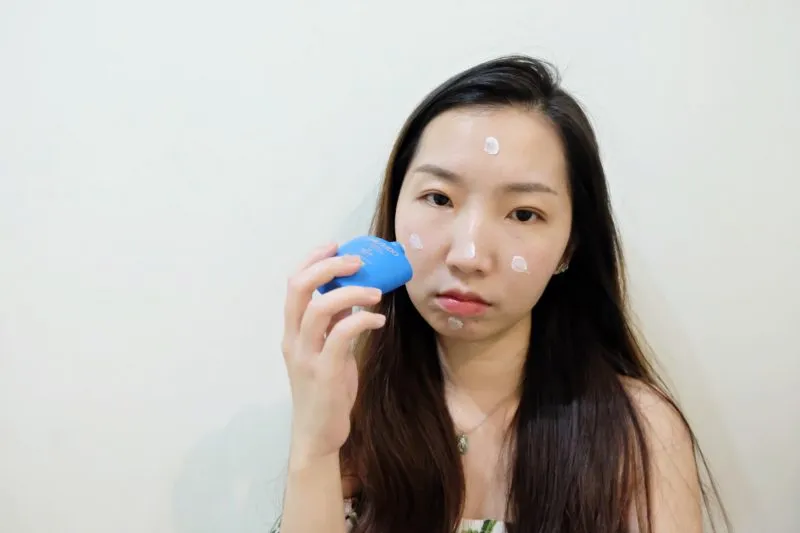
Understanding Skin Whitening for Asians
Skin whitening, also known as skin lightening or bleaching, is a cosmetic procedure that aims to lighten areas of the skin or achieve a generally lighter skin tone. It’s a practice with a long history, particularly in Asian cultures, where lighter skin has often been associated with beauty, status, and youth. While the motivations behind skin whitening vary, understanding the underlying science, cultural context, and potential risks is crucial for anyone considering these procedures. It is important to approach this topic with sensitivity, acknowledging the diverse perspectives and experiences within the Asian community and beyond, especially when dealing with the impacts of colorism.
What is Skin Whitening?
At its core, skin whitening involves reducing the concentration of melanin, the pigment responsible for skin color. Melanin production is influenced by various factors, including genetics, sun exposure, and hormonal changes. Skin whitening methods typically work by inhibiting melanin production, accelerating skin cell turnover to shed pigmented cells, or a combination of both. This can be achieved through topical creams, chemical peels, laser treatments, and other procedures. The effectiveness and safety of these methods vary widely, and it’s important to consult with a dermatologist or qualified healthcare professional before starting any skin whitening regimen. The goal is often to address hyperpigmentation issues such as dark spots, melasma, or uneven skin tone, leading to a brighter and more even complexion.
Common Methods for Skin Whitening

Various methods are employed to achieve skin whitening, ranging from over-the-counter products to professional treatments. Topical creams containing ingredients like hydroquinone, retinoids, and kojic acid are frequently used to reduce melanin production. Chemical peels, which involve applying a chemical solution to exfoliate the skin and promote cell turnover, can also lighten the skin. Laser treatments, such as those using Q-switched Nd:YAG lasers, target melanin to break it down. Other methods involve dietary changes, the use of oral supplements, and other practices. The choice of method depends on individual skin type, the extent of the desired lightening, and the budget. It is essential to research the methods carefully, understand their potential side effects, and consult with a dermatologist to choose the best approach.
Why Asians Seek Skin Whitening
The desire for skin whitening in Asian communities is complex and multifaceted, often rooted in cultural perceptions of beauty and societal influences. Throughout history, lighter skin has been associated with higher social status, beauty, and desirability. This has led to a strong preference for lighter skin tones, particularly among women. Media portrayals, advertising, and cultural norms have reinforced these ideals, contributing to the popularity of skin whitening products and procedures. In addition, skin whitening can also be used to address specific skin concerns such as hyperpigmentation, acne scars, and uneven skin tone. However, it’s important to acknowledge that the pursuit of lighter skin can be influenced by colorism, a form of discrimination based on skin tone, which can affect self-esteem and mental well-being. It’s very important to consult a specialist before considering any treatment.
Top 7 Facts About Skin Whitening for Asians
Fact 1 Different Skin Types Respond Differently

Skin whitening treatments don’t affect all skin types equally. Asian skin, which encompasses a diverse range of skin tones, has a unique structure and melanin content. The effectiveness of skin whitening procedures can vary based on factors like the individual’s skin tone, the specific product or treatment used, and the presence of underlying skin conditions. Darker skin tones may require more aggressive treatments and may be more prone to side effects. It’s crucial for individuals to understand their skin type and to choose appropriate methods under the guidance of a dermatologist. A patch test is always recommended before applying any new product to the face or body to see if there is any reaction.
Fact 2 Sun Protection is Crucial
Protecting the skin from sun exposure is paramount, regardless of skin tone, but it’s especially critical when undergoing skin whitening treatments. Sun exposure can trigger increased melanin production, which can counteract the effects of whitening products and procedures, potentially leading to uneven skin tone or hyperpigmentation. Using broad-spectrum sunscreen with a high SPF (at least 30) is essential daily, even on cloudy days. Avoiding direct sunlight during peak hours (typically between 10 AM and 4 PM), seeking shade, and wearing protective clothing like hats and long sleeves can further shield the skin from harmful UV rays. Proper sun protection helps maintain the results of skin whitening efforts and safeguard the skin’s overall health.
Fact 3 Over-the-Counter Products Can Help
A wide array of over-the-counter (OTC) products is available for skin whitening, containing ingredients like alpha arbutin, vitamin C, and niacinamide. These products often target melanin production and promote skin cell turnover. However, their effectiveness varies, and results are usually less dramatic than professional treatments. It’s important to read labels carefully, choose products from reputable brands, and follow instructions to minimize potential side effects such as irritation or sensitivity. Always perform a patch test before using a new product on a larger area of skin. Consulting with a dermatologist can provide guidance on selecting appropriate OTC products and integrating them into a skincare routine.
Fact 4 Professional Treatments Available

For more significant results, professional skin whitening treatments are often sought. Dermatologists and qualified skincare professionals offer a range of options, including chemical peels, laser treatments (e.g., Q-switched lasers), and prescription-strength topical medications. Chemical peels use acidic solutions to exfoliate the skin, while laser treatments target melanin directly. These procedures can effectively address issues like dark spots, melasma, and uneven skin tone, but they may also carry risks like redness, swelling, and changes in skin pigmentation. It’s essential to choose a reputable provider with experience in treating Asian skin types and to discuss the potential benefits and risks thoroughly. Always ensure the practitioner is qualified and uses sterile equipment.
Fact 5 Potential Risks and Side Effects
Skin whitening treatments, regardless of the method, can have potential risks and side effects. These can range from mild irritation, redness, and dryness to more serious complications like skin thinning, scarring, and changes in pigmentation (either hyperpigmentation or hypopigmentation). Some products may contain harmful ingredients such as mercury, which can lead to severe health problems. Always research products and treatments thoroughly and consult with a dermatologist before proceeding. Be cautious of products with unverified ingredients or claims. Always perform a patch test before applying any new product. Be wary of unqualified providers, as poorly performed procedures can lead to irreversible skin damage.
Fact 6 Lifestyle Changes that Help
In addition to using skin whitening products or undergoing treatments, adopting certain lifestyle changes can enhance the results and improve overall skin health. Maintaining a healthy diet rich in antioxidants, vitamins, and minerals can support skin cell function and promote a brighter complexion. Staying hydrated by drinking plenty of water is also essential. Managing stress, getting adequate sleep, and avoiding smoking and excessive alcohol consumption can also contribute to healthier skin. These lifestyle adjustments complement skin whitening efforts and contribute to a holistic approach to skincare. A regular skincare routine that includes gentle cleansing and moisturizing is also very important.
Fact 7 The Importance of Patience

Skin whitening is a gradual process, and it requires patience. Results are rarely immediate, and it may take several weeks or months of consistent use of products or undergoing treatments to see noticeable changes. The time it takes to achieve desired results varies depending on the individual’s skin type, the method used, and the specific skin concerns being addressed. It’s important to set realistic expectations and to avoid using overly aggressive methods or expecting rapid results, as this can increase the risk of side effects. Consistency, patience, and a holistic approach to skincare are key to achieving safe and effective skin whitening. This also involved protecting your skin daily and keeping up with your skincare routine.
Effective Skin Whitening Methods
Topical Creams and Serums
Topical creams and serums are a common approach to skin whitening, providing a less invasive and more accessible option compared to professional treatments. These products typically contain active ingredients that inhibit melanin production or accelerate skin cell turnover. Common ingredients include hydroquinone, kojic acid, arbutin, vitamin C, and niacinamide. Hydroquinone is a potent skin-lightening agent but has potential side effects and is often available by prescription. Kojic acid is derived from fungi and can lighten skin by inhibiting melanin production. Arbutin is a natural compound that converts to hydroquinone. Vitamin C acts as an antioxidant and can brighten the skin. Niacinamide, a form of vitamin B3, can improve skin tone and texture. The effectiveness of topical products varies depending on the active ingredients, concentration, and skin type. It is essential to use these products as directed, perform a patch test, and consult with a dermatologist if you experience any adverse reactions.
Chemical Peels and Laser Treatments

Chemical peels and laser treatments offer more advanced methods for skin whitening, often providing more significant results than topical products. Chemical peels involve applying a chemical solution to the skin to exfoliate and remove the outer layers, promoting cell turnover and reducing hyperpigmentation. The strength of the peel can vary, ranging from superficial to deep peels. Laser treatments, such as those using Q-switched Nd:YAG lasers, target melanin directly, breaking down pigment and lightening the skin. These treatments require professional administration and may involve some downtime. While these methods can be effective, they also carry risks, including redness, swelling, scarring, and changes in skin pigmentation. Choosing a qualified and experienced practitioner is crucial to minimize risks and ensure the best possible outcomes. Aftercare instructions must be followed carefully to promote healing and prevent complications.
Natural Remedies and Home Care
Some individuals opt for natural remedies and home care practices to lighten their skin or improve its appearance. These include ingredients like lemon juice, turmeric, aloe vera, and honey, which are believed to have skin-lightening properties. Lemon juice contains citric acid, which can act as a natural exfoliator. Turmeric has antioxidant and anti-inflammatory properties. Aloe vera can soothe and hydrate the skin. Honey has moisturizing and antibacterial benefits. However, the effectiveness of these remedies is often limited, and results may not be as dramatic as with other methods. It’s important to perform a patch test before applying any natural remedy to the face, as some ingredients can cause irritation or allergic reactions. While natural remedies can be a part of a skincare routine, it’s essential to manage expectations and combine them with a comprehensive skincare plan for optimal results.
Conclusion
Skin whitening is a complex topic with cultural, social, and medical dimensions. Understanding the motivations behind skin whitening, the available methods, and the potential risks is crucial for making informed decisions. The most important thing is to prioritize skin health and safety by consulting with a dermatologist or qualified healthcare professional before starting any skin whitening regimen. A holistic approach to skincare, including sun protection, a healthy lifestyle, and patience, is essential for achieving desired results and maintaining healthy, radiant skin. It is also vital to approach the topic of skin whitening with sensitivity and an awareness of the cultural context. Ultimately, the goal should be to achieve healthy and happy skin, whether it is lighter or darker.