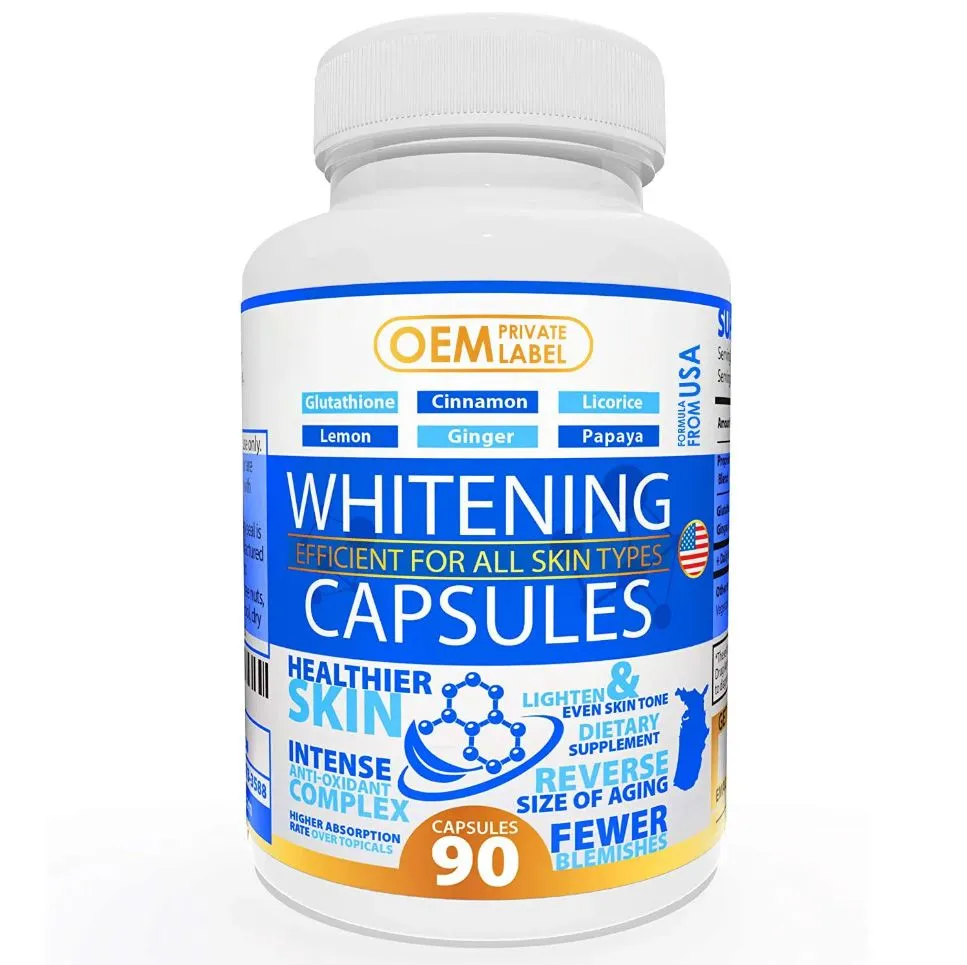
What Are Skin Whitening Tablets
Skin whitening tablets, also known as skin lightening pills, are oral supplements designed to reduce melanin production in the skin, leading to a lighter complexion. These tablets typically contain a variety of ingredients, each with its own mechanism of action. The popularity of these products has surged in recent years, driven by cultural beauty standards and the desire for a brighter, more even skin tone. It is essential to approach the use of skin whitening tablets with caution, as their safety and effectiveness can vary greatly depending on the ingredients and formulation.
How Do Skin Whitening Tablets Work
The primary goal of skin whitening tablets is to inhibit the production of melanin, the pigment responsible for skin color. Most ingredients work by targeting the enzyme tyrosinase, which is crucial for melanin synthesis. Some ingredients act as antioxidants, protecting skin cells from damage that can lead to hyperpigmentation. The effectiveness of a particular tablet often depends on the specific combination of ingredients, their dosages, and the individual’s skin type and overall health. It is crucial to research the ingredients and understand how they function before using such products.
The 5 Key Facts About Skin Whitening Tablets

Fact 1 Understanding the Ingredients
A thorough understanding of the ingredients is paramount when considering skin whitening tablets. Common ingredients include glutathione, vitamin C, kojic acid, and alpha-lipoic acid. Glutathione is a powerful antioxidant that can lighten skin by inhibiting melanin production. Vitamin C aids in skin brightening and protects against free radical damage. Kojic acid is derived from fungi and blocks tyrosinase. Alpha-lipoic acid is another antioxidant that may reduce melanin. The quality and source of these ingredients play a critical role in the tablet’s efficacy and potential side effects. Always check the product label and research each ingredient’s safety profile.
Fact 2 Assessing Safety and Side Effects
Safety should be your top priority. Many skin whitening tablets are available over-the-counter, but this does not guarantee they are safe. Side effects can range from mild to severe, including skin irritation, gastrointestinal issues, and allergic reactions. Some tablets may contain harmful substances or excessive dosages of active ingredients. Carefully review the product’s formulation and research the reputation of the manufacturer. Look for products that have undergone clinical trials and have been approved by relevant health authorities. If you experience any adverse effects, stop use immediately and consult a healthcare professional. Always prioritize products with known safety profiles.
Fact 3 Effectiveness of the Tablets

The effectiveness of skin whitening tablets varies based on the ingredients, dosage, and individual skin characteristics. Some users may experience noticeable results within a few weeks, while others may not see significant changes. It’s important to have realistic expectations. Results can be subtle, and achieving the desired skin tone may take several months of consistent use. The effectiveness can also be affected by factors such as sun exposure and skin type. Regular use of sunscreen and avoidance of sun exposure can improve the results. It is crucial to understand that results will vary for each individual.
Fact 4 Proper Dosage and Usage
Following the recommended dosage is essential to minimize risks and maximize effectiveness. Exceeding the suggested dose does not necessarily lead to faster or better results and may increase the likelihood of side effects. Carefully read and adhere to the instructions provided by the manufacturer. Tablets should be taken regularly, usually with meals, unless otherwise specified. It’s essential to maintain a consistent schedule for optimal results. If you miss a dose, take it as soon as you remember; however, do not double the dose to catch up. Proper usage helps ensure the best possible outcome while minimizing any risks associated with the product.
Fact 5 Consulting a Dermatologist
Before starting any skin whitening regimen, consulting a dermatologist is highly recommended. A dermatologist can assess your skin type, identify any underlying skin conditions, and provide personalized advice. They can also evaluate the ingredients in the tablets and determine whether they are suitable for your skin. A dermatologist can also monitor for side effects and adjust the treatment plan as needed. Seeking professional guidance ensures that you are using safe and effective products and minimizes potential risks. A dermatologist can also offer alternative treatments that might be more effective or safer for your specific needs.
Other Considerations

Potential Risks and Side Effects
While some skin whitening tablets may be safe, they carry potential risks. Common side effects include skin irritation, redness, and dryness. More serious risks include liver damage, kidney problems, and allergic reactions. Some tablets may interact with other medications or health conditions. It’s crucial to be aware of these risks and monitor for any adverse effects. Always report any unusual symptoms to your doctor immediately. If you experience severe side effects, seek medical attention promptly. The long-term effects of certain ingredients are not always fully understood, making careful consideration of potential risks essential.
Alternatives to Skin Whitening Tablets
Several alternatives to skin whitening tablets offer safer and potentially more effective ways to improve skin tone and appearance. These include topical creams containing ingredients like retinoids, vitamin C, and niacinamide. Chemical peels and laser treatments can also reduce hyperpigmentation. Regular use of sunscreen is crucial to prevent further darkening. A balanced diet rich in antioxidants and vitamins can support healthy skin. Consulting a dermatologist can help you determine the best alternative for your skin type and concerns. These alternatives often have fewer side effects and are backed by more scientific evidence.
Skin whitening tablets can offer a potential solution for those seeking a lighter complexion, but it is important to approach them with caution. The 5 key facts highlighted above – understanding ingredients, assessing safety, evaluating effectiveness, proper dosage, and consulting with a dermatologist – provide essential guidance. Remember to prioritize your health and well-being by making informed decisions and seeking professional advice when needed. Explore all available options and choose the safest and most effective path to achieving your desired skin tone while maintaining healthy skin.