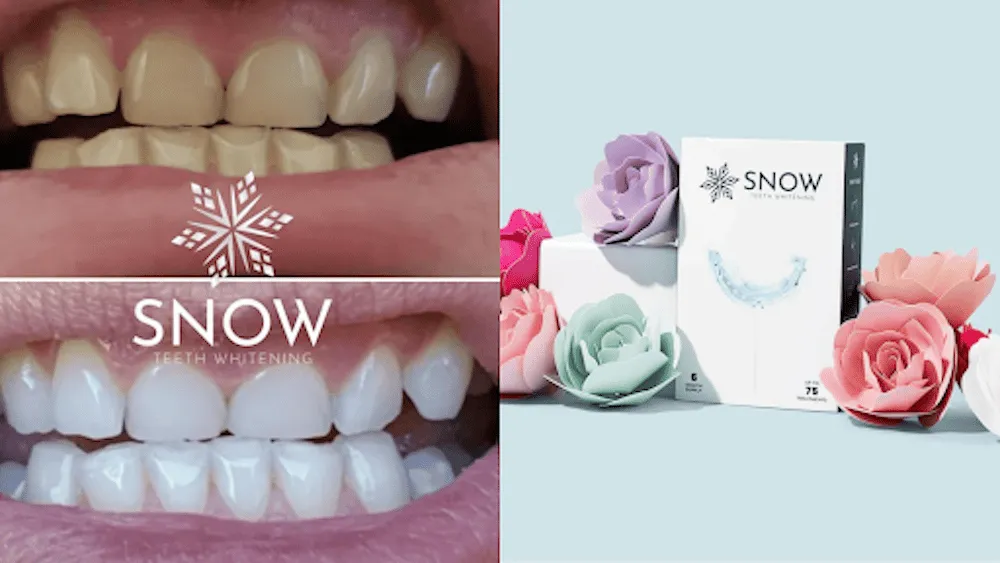
What is Snow Teeth Whitening and How Does it Work
Snow Teeth Whitening has emerged as a popular at-home teeth whitening system, promising a brighter smile without the need for professional dental treatments. The appeal lies in its convenience and affordability, allowing users to achieve noticeable results from the comfort of their homes. The system typically involves a whitening gel applied to the teeth using a custom-fitted or universal mouth tray, which is then activated by a blue LED light. This light is designed to accelerate the whitening process, breaking down stains and discoloration on the surface of the teeth. The process usually takes a few minutes per session, and is repeated over several days or weeks to achieve the desired level of whiteness. Snow has gained popularity because of ease of use and marketing, but users should be aware of the potential risks.
The Active Ingredients in Snow Teeth Whitening
The effectiveness of Snow Teeth Whitening, like other whitening products, hinges on its active ingredients. These ingredients are responsible for the chemical reactions that break down stains and lighten the tooth enamel. The main active ingredient is often hydrogen peroxide or carbamide peroxide, which act as bleaching agents. These peroxides penetrate the enamel and dentin, oxidizing the stain molecules and making them less visible. The concentration of the peroxide varies depending on the product, with higher concentrations potentially leading to faster results but also an increased risk of sensitivity. Other ingredients may include flavoring agents, stabilizers, and thickening agents to improve the product’s taste and texture.
How Snow Whitening Works to Remove Stains

The process of Snow Teeth Whitening, and similar systems, involves a chemical reaction that targets the discoloration on the teeth. When the whitening gel, containing hydrogen peroxide or carbamide peroxide, comes into contact with the teeth, it releases oxygen molecules. These oxygen molecules then penetrate the enamel and break down the stain molecules that have accumulated over time. This process effectively lightens the color of the teeth. The blue LED light, often included in Snow kits, is believed to accelerate this process, making it more efficient. The light does not directly whiten the teeth, but it is thought to enhance the activity of the peroxide, leading to quicker and potentially more dramatic results. The degree of whitening can vary depending on the individual’s teeth and the type of stains present.
Understanding Tooth Sensitivity
Tooth sensitivity is a common dental issue, characterized by sharp, sudden pain or discomfort in the teeth in response to certain stimuli. This sensitivity can range from mild to severe and can significantly impact a person’s ability to enjoy everyday activities, such as eating and drinking. It occurs when the protective outer layer of the tooth, the enamel, is worn away, or when the gums recede, exposing the underlying dentin. Dentin contains tiny tubules that lead to the tooth’s nerve, and when these tubules are exposed, stimuli such as hot, cold, sweet, or acidic foods and drinks can trigger the nerve, causing pain. Understanding the causes and symptoms of tooth sensitivity is the first step towards managing and preventing it.
What Causes Tooth Sensitivity
Tooth sensitivity can stem from various factors, ranging from dental habits to underlying health conditions. One of the primary causes is the erosion of tooth enamel due to acidic foods and drinks, aggressive brushing, or teeth grinding. Enamel thinning exposes the dentin, which contains the tubules leading to the nerves. Receding gums also contribute to sensitivity, as they expose the root surfaces of the teeth, which lack the protective enamel. Dental procedures, such as teeth whitening, fillings, or professional cleanings, can temporarily increase sensitivity. Other factors include certain dental products with harsh chemicals, tooth decay, cracked teeth, and even sinus infections, which can put pressure on the teeth and cause discomfort.
Symptoms of Tooth Sensitivity

The symptoms of tooth sensitivity are quite distinct and usually easy to recognize. The most common symptom is a sharp, shooting pain or discomfort that arises suddenly when the teeth are exposed to certain triggers. These triggers can include hot or cold foods and beverages, such as coffee, ice cream, or soup. Sweet or acidic items, like candy, citrus fruits, or carbonated drinks, can also provoke a reaction. Additionally, cold air or even brushing your teeth can cause sensitivity. The intensity of the pain varies, from a mild twinge to a severe, debilitating sensation that can last for several seconds or even minutes. If you experience these symptoms, it is important to identify the triggers and consult your dentist to determine the underlying cause and the appropriate course of action.
Does Snow Teeth Whitening Cause Sensitivity
Yes, Snow Teeth Whitening, like other whitening treatments, can potentially cause tooth sensitivity. This is a common side effect associated with the use of peroxide-based whitening agents. The active ingredients in Snow, such as hydrogen peroxide or carbamide peroxide, work by penetrating the enamel and breaking down the stain molecules. However, this process can also irritate the nerves in the teeth, leading to temporary sensitivity. The degree of sensitivity varies from person to person, depending on factors such as the concentration of the whitening agent, the duration of the treatment, and the individual’s pre-existing dental health. While not everyone experiences sensitivity, it is a common enough side effect that users should be aware of it.
The Likelihood of Sensitivity with Snow
The likelihood of experiencing sensitivity with Snow Teeth Whitening depends on several factors. The concentration of the whitening agent is a significant determinant, with higher concentrations potentially leading to a greater risk of sensitivity. The duration of the treatment and the frequency of use also play a role; prolonged or frequent use increases the chances of sensitivity. Individual factors, such as pre-existing dental conditions, enamel thickness, and gum health, can also influence the likelihood. Some individuals naturally have more sensitive teeth than others. Furthermore, using the product incorrectly, such as applying too much gel or leaving the trays in for longer than recommended, can exacerbate sensitivity. Following the product instructions carefully and being aware of your own dental health are key to managing potential sensitivity.
Factors that Increase Sensitivity

Several factors can increase the likelihood and severity of tooth sensitivity during Snow Teeth Whitening. Pre-existing dental conditions, such as thin enamel, receding gums, or existing cavities, make teeth more vulnerable to irritation. Using a whitening product with a high concentration of peroxide can also increase the risk. Improper application, such as using too much gel or leaving the trays in for extended periods, can exacerbate sensitivity. Consuming highly acidic foods and drinks, like citrus fruits, sodas, and sports drinks, during the whitening process can further irritate the teeth. Additionally, individuals with a history of tooth sensitivity or those who are already using other dental products with potentially irritating ingredients are more prone to experiencing discomfort. Careful attention to these factors can help minimize the risk of sensitivity.
How to Avoid Sensitivity with Snow Teeth Whitening
Fortunately, there are several steps you can take to minimize the risk of tooth sensitivity when using Snow Teeth Whitening. Consulting with your dentist before starting the treatment is always recommended to assess your oral health and discuss any potential concerns. Following the product instructions meticulously is crucial, especially regarding the amount of gel to use and the duration of each treatment session. You can also use desensitizing toothpaste, which contains ingredients like potassium nitrate or stannous fluoride, to block the tubules in the dentin and reduce sensitivity. Another option is to use fluoride treatments, either over-the-counter or prescribed by your dentist, to strengthen the enamel. Furthermore, making dietary adjustments, such as avoiding acidic and sugary foods and drinks during the whitening process, can help prevent irritation.
Consulting with Your Dentist Before Use
Before starting any teeth whitening treatment, including Snow, it is highly recommended to consult with your dentist. A dental professional can assess the health of your teeth and gums, identify any pre-existing conditions that might increase sensitivity, and advise you on whether teeth whitening is a suitable option for you. They can also offer guidance on how to minimize potential side effects and provide recommendations for the best approach to whitening your teeth. Your dentist can also address any concerns you may have and provide professional recommendations based on your specific oral health needs. This step is crucial for ensuring a safe and effective whitening experience.
Using Snow Teeth Whitening According to Instructions

To reduce the risk of sensitivity, it is essential to follow the Snow Teeth Whitening instructions precisely. This includes using the recommended amount of whitening gel, typically a small amount per tooth, as using too much can increase the likelihood of irritation. Pay close attention to the recommended treatment duration, usually a specific amount of time per session, and avoid leaving the trays in for longer than advised. Make sure to use the product as frequently as recommended, and avoid overuse, as this can lead to increased sensitivity. Following the instructions carefully ensures that you are getting the desired results while minimizing potential side effects. If you experience any discomfort, discontinue use and consult with your dentist.
Desensitizing Toothpaste
Using desensitizing toothpaste can be a proactive measure to reduce the likelihood of tooth sensitivity both before and during Snow Teeth Whitening. These toothpastes contain active ingredients, such as potassium nitrate or stannous fluoride, that help to block the tubules in the dentin. Blocking these tubules reduces the movement of fluids that can trigger the nerves in your teeth, effectively reducing sensitivity. It is recommended to start using desensitizing toothpaste a few weeks before starting the whitening treatment to allow it to take effect. Continue using the toothpaste throughout the whitening process. Desensitizing toothpastes are readily available over-the-counter and are a simple yet effective way to manage sensitivity and improve your overall comfort during teeth whitening.
Using Fluoride Treatments
Fluoride treatments can be another effective way to minimize sensitivity. Fluoride helps to strengthen tooth enamel, making it more resistant to the effects of whitening agents. Fluoride can also help to block the tubules in the dentin, which can reduce sensitivity. You can use over-the-counter fluoride toothpaste, mouthwash, or gels, or your dentist may recommend a professional fluoride treatment. Professional treatments are often more concentrated and can provide a more significant benefit. Incorporating fluoride treatments into your oral hygiene routine before, during, and after teeth whitening can significantly reduce the likelihood of sensitivity and promote overall oral health.
Dietary Adjustments to Minimize Sensitivity

Making dietary adjustments during the Snow Teeth Whitening process can help minimize the potential for tooth sensitivity. Acidic foods and drinks can irritate the teeth, especially when they have been exposed to whitening agents. It is best to avoid these types of foods and drinks during the whitening process. This includes citrus fruits, carbonated beverages, and vinegar-based foods. Consider consuming a diet rich in calcium-rich foods like dairy products, which can help strengthen your enamel. Also, be sure to drink plenty of water to stay hydrated and rinse away any remaining acid from your teeth. By making these dietary adjustments, you can reduce the likelihood of sensitivity and increase your comfort during the whitening process.
Managing Sensitivity After Whitening
If you experience sensitivity after using Snow Teeth Whitening, there are several strategies to manage the discomfort. Over-the-counter pain relief medications, such as ibuprofen or acetaminophen, can provide temporary relief. You should also avoid foods and drinks that are known to trigger sensitivity, such as hot, cold, sweet, or acidic items. Continuing to use desensitizing toothpaste and applying fluoride treatments can help to reduce the pain. If the sensitivity is severe or persists for an extended period, it is crucial to consult your dentist to rule out any underlying issues and receive professional guidance. The dentist may also recommend more intensive treatments or adjust your whitening routine.
Over-the-Counter Pain Relief
Over-the-counter pain relievers can be a practical option for managing temporary sensitivity after using Snow Teeth Whitening. Medications such as ibuprofen (Advil, Motrin) and acetaminophen (Tylenol) can help to alleviate the discomfort. Always follow the recommended dosage instructions on the packaging. It is essential to use these medications as a short-term solution and not rely on them for extended periods. If the pain is severe or persists for more than a few days, it is important to consult your dentist, as this could indicate a more serious issue. Using pain relievers can provide much-needed relief, allowing you to continue your daily activities while your teeth recover.
Avoiding Irritating Foods and Drinks

One of the most effective strategies for managing sensitivity after teeth whitening is to avoid foods and drinks that can trigger pain. This includes hot, cold, sweet, and acidic items. Examples of foods to avoid include ice cream, hot coffee, citrus fruits, and carbonated beverages. Opt for a bland diet that is gentle on your teeth. Choose foods that are room temperature, such as bananas, cooked vegetables, and plain yogurt. These dietary adjustments can help to reduce irritation and give your teeth a chance to recover. This approach not only minimizes discomfort but also gives your teeth the best chance to recover. It is important to listen to your body and pay attention to what triggers your sensitivity.
When to See a Dentist
While some sensitivity is normal after teeth whitening, it is important to know when to seek professional dental help. If the sensitivity is severe, persistent, or accompanied by other symptoms, such as sharp pain, bleeding gums, or tooth discoloration, you should consult your dentist immediately. These symptoms could indicate an underlying dental issue that needs to be addressed. Your dentist can properly diagnose the cause of the sensitivity and recommend appropriate treatment. They may recommend further investigation, such as X-rays, and may provide additional treatment, such as prescription-strength fluoride, or recommend a different whitening approach. Never hesitate to seek professional help if you have concerns about your oral health.