Understanding Teeth Whitening Aftercare
Teeth whitening is a popular cosmetic dental procedure designed to brighten your smile, however, the journey to a dazzling white smile doesn’t end when you leave the dentist’s chair or finish your at-home treatment. The aftercare phase is just as crucial for maintaining your results, minimizing potential side effects, and ensuring your teeth stay bright and healthy for as long as possible. This guide provides a comprehensive overview of teeth whitening aftercare, covering everything from managing sensitivity to choosing the right products and foods.
Proper aftercare helps to protect the newly whitened enamel and prevent stains from redeveloping quickly. By following these guidelines, you can extend the life of your whiter smile and avoid common pitfalls that can compromise your results. This proactive approach will not only enhance your aesthetic outcome but also promote overall oral health. It is very important to be patient with yourself as your teeth adjust to the new whiteness, and adhere to the aftercare procedures.
What to Expect After Teeth Whitening
Immediately after a teeth whitening procedure, whether performed by a dentist or at home, your teeth will be more porous and susceptible to staining. This is because the whitening agents open the pores in your enamel to remove stains. During this period, it’s vital to take extra precautions to avoid any substances that could darken or stain your teeth. Following the aftercare instructions diligently will significantly affect how long your whitening results last and the overall health of your teeth.
Many people experience some level of sensitivity in their teeth following a whitening treatment. This is a common and typically temporary side effect. Additionally, you might notice changes in the appearance of your gums. Any discomfort, if present, should subside within a few days as the enamel pores begin to close. Familiarizing yourself with these common after-effects will help you manage your expectations and take appropriate measures to ensure a comfortable experience.
Sensitivity and Discomfort

Tooth sensitivity is a frequent complaint after teeth whitening. This occurs because the whitening agents can irritate the nerves in your teeth. You might experience sharp, shooting pains when consuming hot or cold foods and drinks. This sensitivity typically peaks within the first 24-48 hours and then gradually subsides. It’s important to know that this sensitivity is temporary and not a sign of permanent damage.
In addition to tooth sensitivity, some individuals might also experience gum irritation. This is usually mild and results from the whitening agent coming into contact with the soft tissues of the mouth. Any discomfort or irritation will generally resolve within a few days. However, If discomfort persists, consult your dentist. They can provide additional advice or recommend specific products to help alleviate your symptoms.
Managing Sensitivity
To manage tooth sensitivity, use toothpaste designed for sensitive teeth. These toothpastes contain ingredients like potassium nitrate, which helps to block the nerve signals that cause pain. Avoid very hot or cold foods and drinks during this period. Use a soft-bristled toothbrush and brush gently to avoid irritating your gums and teeth further. Consider using a fluoride rinse, as fluoride helps to strengthen tooth enamel and reduce sensitivity.
Over-the-counter pain relievers such as ibuprofen or acetaminophen can provide relief from any discomfort. If the sensitivity is severe or persistent, consult your dentist. They may recommend prescription-strength fluoride treatments or other desensitizing agents. It’s essential to follow your dentist’s advice closely. They can determine the best course of action for your unique situation and provide personalized recommendations.
Dietary Restrictions After Whitening
One of the most critical aspects of teeth whitening aftercare is adhering to dietary restrictions. During the first few days after your treatment, your teeth are more susceptible to staining. This is because the whitening process temporarily makes the enamel more porous. Certain foods and drinks contain pigments that can easily penetrate this porous enamel, causing stains. Avoiding these items is crucial to preserving your bright new smile and achieving the best possible results.
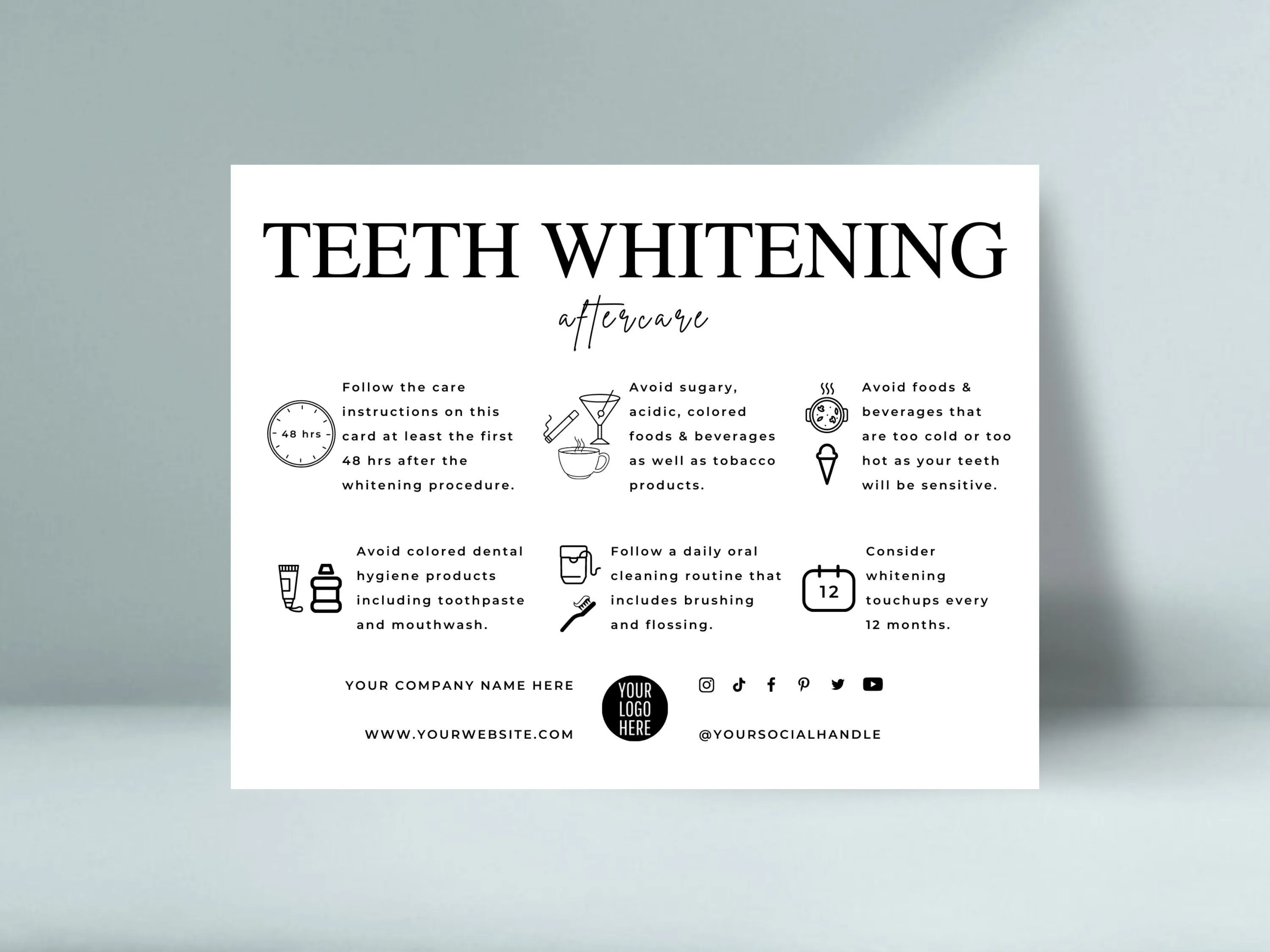
The length of time you need to adhere to these dietary restrictions can vary depending on the whitening method used and the individual’s oral health. However, it’s generally recommended to follow these guidelines for at least 48 hours and sometimes up to two weeks. Be diligent about what you eat and drink to avoid reversing the whitening process. You can always consult with your dentist for personalized recommendations based on your specific circumstances.
Foods and Drinks to Avoid

Several foods and drinks are notorious for causing stains on newly whitened teeth. Coffee and tea are high on the list, as they contain strong pigments that can easily stain teeth. Red wine is another culprit due to its dark color and acidity. Avoid dark-colored sodas, fruit juices, and sports drinks, as these can all contribute to staining. Be wary of highly pigmented fruits and vegetables like berries, beets, and spinach.
In terms of food, you should avoid heavily colored sauces like soy sauce, curry, and balsamic vinegar. Processed foods with artificial coloring should also be avoided. It’s also important to steer clear of tobacco products, as smoking and chewing tobacco can significantly stain your teeth. These restrictions may seem limiting, but adhering to them will help you get the most from your teeth whitening treatment. Try to look at this as a short-term sacrifice for a long-term benefit.
Foods and Drinks You Can Consume
While there are many foods and drinks to avoid, there are also plenty of options that won’t jeopardize your whitened smile. White or clear liquids, such as water and milk, are safe choices. Plain yogurt, white cheese, and tofu are good options for protein. Eat foods with a lighter color, like chicken, turkey, and fish, prepared without dark sauces.
Choose white or lightly colored fruits and vegetables such as bananas, apples, pears, cauliflower, and potatoes. You can also enjoy plain pasta and rice. When choosing snacks, opt for plain crackers or bread without added colors or flavors. By focusing on these lighter-colored foods and drinks, you can help maintain your teeth’s new whiteness. This will make the aftercare period much easier to manage and more enjoyable.
Maintaining Your Bright Smile
Maintaining your bright smile goes beyond the initial aftercare period. Developing good oral hygiene habits and incorporating preventative measures are key to long-term success. These practices will help you preserve the results of your teeth whitening treatment and keep your teeth healthy and attractive for years to come. Consistency and commitment are essential.
With the right aftercare routine, your investment in teeth whitening can last a long time. It will help to keep your teeth looking their best. These simple steps can significantly impact the duration of your results. Consider incorporating these practices into your daily routine to ensure continued oral health and a beautiful smile. The overall goal is to protect your teeth from future staining and keep your smile bright.
Oral Hygiene Routine

A consistent oral hygiene routine is essential for preserving your teeth’s whiteness. Brush your teeth at least twice a day for two minutes each time. Use a soft-bristled toothbrush to avoid damaging your enamel and gums. Consider using an electric toothbrush. They are often more effective at removing plaque and bacteria.
Floss daily to remove food particles and plaque from between your teeth. This will help prevent stains and maintain overall oral health. Using an antibacterial mouthwash can further reduce plaque and bacteria in your mouth. Regular brushing and flossing, combined with a healthy diet and appropriate product use, are your best defense against stains and discoloration. This combination will help maintain your bright, white smile.
Products to Use and Avoid
The products you use can significantly impact the longevity of your teeth whitening results. Use toothpaste specifically designed for whitening. These toothpastes can help remove surface stains, but choose one that is gentle on your enamel to avoid abrasion. Consider using a whitening mouthwash to further enhance the brightening effect. However, be sure it is alcohol-free to prevent dryness, which can make your teeth more susceptible to staining.
Avoid using abrasive toothpastes that contain harsh chemicals or ingredients. These can damage your enamel and make your teeth more prone to staining. Similarly, steer clear of smoking and chewing tobacco. As mentioned before, these products can lead to significant staining. Consult your dentist if you have any questions about the best products for your needs. They can provide personalized recommendations tailored to your oral health.
The Importance of Regular Dental Checkups
Regular dental checkups and professional cleanings are vital for maintaining your teeth whitening results. A dentist can remove any surface stains and plaque that your daily routine might have missed. They can also identify any early signs of dental problems. This includes cavities, gum disease, or other issues that might affect your smile.
During your checkup, your dentist may recommend a professional teeth cleaning. This will remove any stubborn stains and polish your teeth to keep them bright and healthy. Discuss your whitening experience with your dentist. They can assess the condition of your teeth and recommend appropriate maintenance treatments to keep your smile looking its best. These regular visits will ensure that you’re keeping your mouth in tip-top shape.
When to Seek Professional Advice

While most teeth whitening aftercare is manageable at home, there are instances when it’s crucial to seek professional advice. If you experience severe or persistent tooth sensitivity, consult your dentist immediately. They can determine the cause and recommend appropriate treatments to alleviate the discomfort. Ignoring severe sensitivity can sometimes lead to other dental issues.
If you notice any changes in the appearance of your gums, such as redness, swelling, or bleeding, you should also seek professional guidance. These could be signs of gum irritation or, potentially, gum disease. Also, if you are unhappy with your whitening results, or if stains reappear quickly despite your best efforts, consult your dentist. They can assess your situation and suggest ways to improve and maintain your bright smile. Your dentist can also offer advice on alternative whitening options if needed. Always seek professional help when in doubt.
In conclusion, following a comprehensive teeth whitening aftercare plan is critical to achieving and maintaining a brighter smile. By understanding what to expect, managing potential side effects, adhering to dietary restrictions, and following a consistent oral hygiene routine, you can prolong the benefits of your whitening treatment. Regular dental checkups and professional advice are also essential to address any concerns or issues promptly. With the right approach, you can enjoy a radiant and healthy smile for years to come.