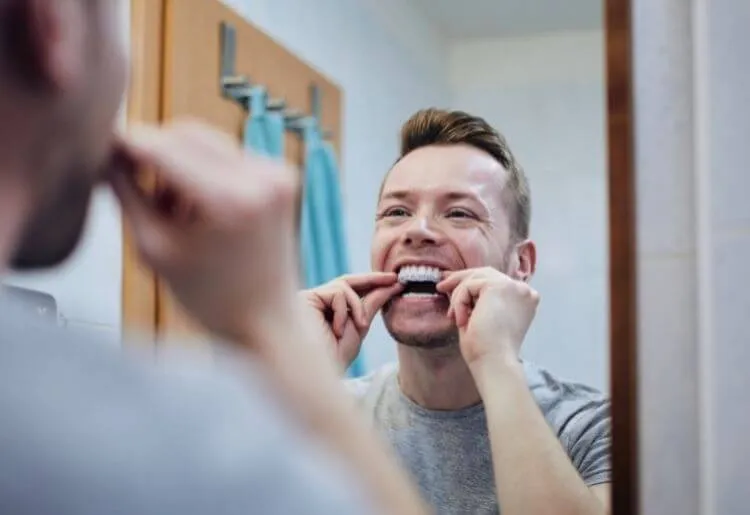
Achieving a brighter, whiter smile through teeth whitening is an exciting experience. However, the journey doesn’t end with the procedure itself. The aftercare is crucial in preserving your newly whitened teeth and ensuring you get the most out of your investment. One of the most important aspects of this aftercare involves being mindful of the foods and drinks you consume. Certain substances can stain your teeth, undoing the effects of the whitening treatment and leaving you disappointed. This guide will explore the top foods and drinks to avoid after teeth whitening, helping you maintain your dazzling smile. Understanding these dietary considerations is key to maximizing the longevity and effectiveness of your teeth whitening results.
Foods & Drinks to Avoid After Teeth Whitening
Following your teeth whitening treatment, your teeth are more porous and susceptible to staining. This increased permeability makes them vulnerable to the pigments in certain foods and drinks. Avoiding these substances for a period after your treatment is paramount to preventing discoloration and maintaining the brightness of your smile. It’s a temporary sacrifice that yields significant long-term benefits, allowing you to enjoy your whiter teeth for an extended period. The following sections will provide a detailed look at the specific foods and drinks you should avoid, along with explanations on why they pose a risk to your newly whitened teeth.
Foods That Stain Teeth
Many foods can contribute to staining, but some are notorious for their high pigment content and ability to discolor teeth. These foods often contain intense colors that can easily be absorbed by the enamel, especially in the sensitive period immediately following teeth whitening. Be vigilant about what you eat, and opt for lighter-colored alternatives whenever possible. The following are some of the most common offenders.
Coffee and Tea

Coffee and tea are well-known for their staining properties due to the presence of tannins, which are compounds that bind to teeth and cause discoloration. The darker the brew, the more likely it is to stain. Even herbal teas, depending on their ingredients, can contribute to staining. While you might enjoy your daily cup, it’s best to avoid these beverages entirely for the first few days after your whitening treatment and then consume them in moderation, if at all. If you find it difficult to give up coffee or tea, consider drinking them through a straw to minimize contact with your teeth. Image of coffee and tea cups can be added.
Dark Sodas
Dark sodas, such as cola and other carbonated beverages with intense coloring, are also significant culprits when it comes to staining teeth. The dark pigments in these drinks can easily penetrate the enamel, causing discoloration. Furthermore, the high acidity of sodas can erode the enamel, making your teeth even more susceptible to staining. It’s best to avoid these drinks completely during the aftercare period. Even diet sodas, which may lack sugar, still contain acids and artificial colorings that can harm your teeth. A picture of a dark soda can be displayed here.
Red Wine
Red wine is another significant contributor to tooth staining. The deep pigments and tannins in red wine make it particularly prone to staining teeth. Even a small amount of red wine can cause discoloration. It’s best to avoid red wine for several days after your whitening treatment to prevent any staining. If you are a wine enthusiast, consider switching to white wine, which has significantly less staining potential. However, remember to consume it in moderation. Image of a red wine glass can be added.
Beets and Berries

Beets and berries, such as blueberries, raspberries, and blackberries, are packed with healthy antioxidants but are also notorious for their intense coloring. The rich pigments in these fruits can easily stain your teeth. While they’re healthy in other respects, it’s best to avoid them in the initial days following your teeth whitening treatment. Consider enjoying them again when your teeth are less sensitive to staining. If you do eat them, brush your teeth soon afterward to help minimize staining. Picture of some berries can be shown here.
Other Potentially Staining Foods
Beyond the specific examples listed above, other foods with strong colors or high pigment content can also contribute to staining. This includes foods like soy sauce, balsamic vinegar, curry, and certain sauces. Be cautious with any food that has a deep color and can potentially stain clothing or surfaces. Opt for lighter-colored alternatives, such as white sauces, and rinse your mouth with water after eating to help prevent staining. Photo of some staining foods.
Drinks to Avoid
Just as certain foods can stain your teeth, various drinks also pose a significant risk. These beverages often contain intense colors, high acidity, or tannins, all of which contribute to tooth discoloration. Being mindful of your drink choices is as important as your food choices when it comes to protecting your whitened smile.
Coffee

We’ve already touched on coffee, but it deserves reiteration. Coffee is a notorious stainer due to its dark pigments and tannins. It’s best to avoid coffee entirely for the first few days following your teeth whitening procedure. If you can’t live without it, consider drinking it through a straw to reduce contact with your teeth. Alternatively, switch to lighter-colored beverages like milk or water, or opt for a cup of green tea, which has fewer staining properties than coffee. A picture of a coffee cup is recommended.
Tea
Tea, much like coffee, contains tannins and can cause significant staining. Black tea and certain herbal teas are particularly problematic due to their dark colors. Green tea is a slightly better option, but it still contains tannins, so it’s best to consume it in moderation. The same strategies used for coffee – using a straw or rinsing your mouth with water – can also be applied when drinking tea. Include the picture of a tea cup.
Dark-Colored Juices
Dark-colored juices, such as grape juice, cranberry juice, and even some apple juices, can stain your teeth due to their high pigment content. These juices can be acidic, potentially weakening your enamel and making it more susceptible to staining. Instead, opt for lighter-colored juices like white grape juice or apple juice, or better yet, choose water or milk. Always check the ingredients to see the colorants and pigments. Photo of dark-colored juices can be inserted.
Alcoholic Beverages

Certain alcoholic beverages, especially red wine, are major culprits when it comes to staining. However, other alcoholic drinks, such as dark beers, can also contribute to discoloration. It’s best to avoid these beverages for at least the first few days after your teeth whitening treatment. If you choose to drink alcohol, opt for clear spirits like vodka or gin, and mix them with a clear mixer like soda water. Remember to drink in moderation and rinse your mouth with water afterward. A photo of alcohol beverages.
Maintaining Your White Smile
Maintaining your white smile involves more than just avoiding certain foods and drinks. It’s about developing good oral hygiene habits and making informed choices about what you consume. This includes regular brushing and flossing, using a whitening toothpaste, and seeing your dentist for regular checkups. These practices help preserve your bright smile for the long term.
The First 48 Hours
The first 48 hours after your teeth whitening treatment are critical. During this period, your teeth are most vulnerable to staining because the enamel is more porous. Stick to a “white diet” during this time, which means consuming only white or light-colored foods and drinks. This might include white rice, plain pasta, chicken or turkey breast, cauliflower, white fish, bananas, and water. Avoiding all the staining foods and drinks is crucial for the best results. Image of white diet recommendations.
Long-Term Considerations

Once the initial 48-hour period has passed, you can gradually reintroduce other foods and drinks into your diet. However, it’s still essential to be mindful of your choices. Moderation is key. Limit your consumption of staining foods and drinks, and always brush your teeth after consuming them. Regular dental checkups and professional cleanings will also help maintain your bright smile. By making informed dietary choices and practicing good oral hygiene, you can enjoy your teeth whitening results for years to come. Consider investing in a good quality whitening toothpaste to maintain your results over time. Also, using a straw for staining drinks and rinsing your mouth with water can help. Photo of dental hygiene recommendations.
In conclusion, protecting your investment in teeth whitening requires diligence and attention to detail. By understanding which foods and drinks to avoid and following a strategic aftercare plan, you can significantly extend the life of your newly whitened smile. Remember that while the restrictions are temporary, the benefits of a brighter, more confident smile are long-lasting. Making smart choices about what you eat and drink will pay off in the long run, ensuring you can proudly show off your radiant, white teeth for years to come.