
Teeth Whitening & Coffee Stains What’s the Problem?
Coffee, a beloved beverage worldwide, also has a dark side when it comes to your pearly whites. The rich, flavorful compounds that make coffee so enjoyable can leave behind stubborn stains, diminishing the brightness of your smile. These stains are not just cosmetic; they can also affect your confidence and overall oral health. Understanding the mechanics of how coffee stains teeth is the first step in fighting back and restoring your smile to its former glory. This article will guide you through the top 5 solutions for tackling coffee stains, helping you enjoy your coffee while keeping your teeth looking their best. From professional treatments to simple lifestyle adjustments, we’ll cover everything you need to know to reclaim your dazzling smile.
How Coffee Stains Your Teeth
The staining power of coffee comes from compounds called tannins. These tannins are polyphenols that break down and release pigments, which adhere to the enamel of your teeth. The enamel, though strong, is porous, allowing these pigments to seep in over time. Regular coffee consumption allows for a gradual buildup of these stains, leading to a yellow or brown discoloration. The intensity of the staining varies depending on several factors, including the concentration of coffee, the frequency of consumption, and individual tooth enamel characteristics. Moreover, other factors like the presence of dental plaque and certain lifestyle choices can exacerbate the staining process, making it more challenging to remove and maintain a bright smile. The good news is that understanding how coffee stains your teeth is the first step towards finding the right solutions to combat these stains.
Coffee’s Impact on Enamel

Beyond staining, coffee can also affect the health of your tooth enamel. Coffee is acidic, and frequent exposure to acidic substances can erode the enamel over time. This erosion makes your teeth more vulnerable to staining and increases the risk of cavities and sensitivity. Enamel erosion exposes the underlying dentin, which is naturally more yellow, contributing to the overall discoloration of your teeth. Furthermore, the rougher surface of eroded enamel allows stains to adhere more easily. To mitigate the harmful effects of coffee, it’s essential to adopt strategies that protect your enamel, such as drinking coffee in moderation, using a straw to minimize contact, and rinsing your mouth with water after drinking coffee. These simple steps can help you maintain a healthy, bright smile while still enjoying your favorite beverage.
Top 5 Teeth Whitening Solutions for Coffee Drinkers
Fortunately, there are numerous effective solutions available to combat coffee stains and restore the brilliance of your smile. From professional treatments to easy at-home remedies, the options are diverse and can be tailored to meet your individual needs and preferences. This section will explore the top 5 solutions, providing a comprehensive overview of each method’s effectiveness, benefits, and potential considerations. Whether you’re looking for a quick fix or a long-term maintenance plan, these solutions will help you achieve a confident, stain-free smile.
Professional Teeth Whitening
Professional teeth whitening, performed by a dentist, is one of the most effective ways to remove stubborn coffee stains. Dentists use high-concentration bleaching agents, such as hydrogen peroxide, which penetrate the enamel to lift the stains from within. The process typically involves a consultation, followed by the application of the whitening agent, often activated by a special light or laser. The results are often dramatic, with teeth becoming several shades whiter in a single session. Professional whitening offers several advantages including speed and efficacy. However, it can be more expensive than other options, and some people may experience temporary tooth sensitivity. Your dentist will be able to assess your specific needs and recommend the best professional whitening treatment for you.
At-Home Whitening Kits

At-home whitening kits provide a convenient and cost-effective alternative to professional treatments. These kits typically contain custom-fitted trays and a lower concentration of bleaching gel, allowing for gradual whitening over a few weeks. They can be a great choice for maintaining the results of professional whitening or for those with mild to moderate staining. It’s essential to follow the instructions carefully, and consult your dentist before starting, as they can advise you on the best kit for your needs and address any concerns about potential side effects. While at-home kits may take longer to produce noticeable results compared to professional treatments, they offer flexibility and affordability.
Whitening Toothpaste and Mouthwash
Whitening toothpaste and mouthwash can be a valuable part of your daily oral hygiene routine. These products often contain mild abrasives or chemical agents that help to remove surface stains. While they may not dramatically whiten your teeth like professional treatments, they can help to maintain brightness and prevent new stains from forming. Whitening toothpaste should be used in conjunction with proper brushing techniques and regular dental checkups. Whitening mouthwashes can further assist in stain removal and freshen breath. Regular use of these products can significantly contribute to a whiter, brighter smile over time.
Dietary Adjustments to Minimize Stains
Your diet plays a significant role in the appearance of your teeth. In addition to coffee, certain foods and beverages are known to stain teeth. Reducing your intake of these items can help minimize staining and maintain the results of your whitening treatments. This includes avoiding or limiting the consumption of dark-colored beverages, such as tea, red wine, and soda, as well as highly pigmented foods like berries and curries. Drinking water after consuming these items can help rinse away stain-causing particles and reduce their impact. By being mindful of your dietary choices, you can protect your teeth and keep them looking their best.
Regular Dental Hygiene Practices
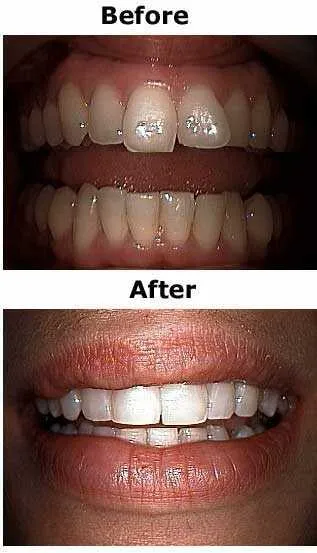
Maintaining a robust oral hygiene routine is critical for preventing and managing coffee stains. This includes brushing your teeth at least twice a day with fluoride toothpaste and flossing daily to remove plaque and food particles. Consider brushing immediately after drinking coffee, or rinsing your mouth with water if you are unable to brush right away. Regular dental checkups and professional cleanings are also essential, as your dentist can remove any accumulated stains and plaque that brushing and flossing may miss. These professional cleanings can also help to prevent the build-up of tartar, which can trap stains and make your teeth appear discolored. A consistent dental hygiene routine is the cornerstone of a healthy, bright smile.
Maintaining Your White Smile
Once you’ve achieved your desired level of whiteness, maintaining your bright smile is an ongoing process. This involves a combination of the strategies mentioned above, including proper dental hygiene, mindful dietary choices, and regular professional checkups. Avoiding tobacco products is also crucial, as smoking and chewing tobacco can cause severe staining. Furthermore, consider using a straw when drinking coffee and other staining beverages to minimize contact with your teeth. With consistent effort, you can enjoy your favorite coffee while preserving the radiance of your smile.
Tips to Prevent Future Staining
Preventing future staining is just as important as removing existing stains. In addition to the maintenance strategies, there are several other steps you can take to keep your teeth looking their best. Drinking coffee quickly and not sipping it over an extended period reduces the time your teeth are exposed to staining agents. Rinsing your mouth with water immediately after drinking coffee can help to rinse away any remaining particles. Incorporating dairy products into your diet, such as milk or cheese, can help neutralize acids and protect your enamel. Scheduling regular dental cleanings and checkups will also allow your dentist to catch and address potential staining issues early on.
Long-Term Smile Maintenance

Long-term smile maintenance is a continuous effort that involves consistent oral hygiene habits and a proactive approach to dental health. This includes regular checkups, professional cleanings, and adapting your lifestyle to minimize staining. Consider touch-up whitening treatments as needed to maintain the brightness of your smile. Being proactive about dental health, including prompt treatment of any dental issues, can also contribute to long-term success. By adopting a comprehensive approach, you can ensure that your teeth remain bright, healthy, and beautiful for years to come. Remember, a bright smile is an investment in your overall well-being and confidence.