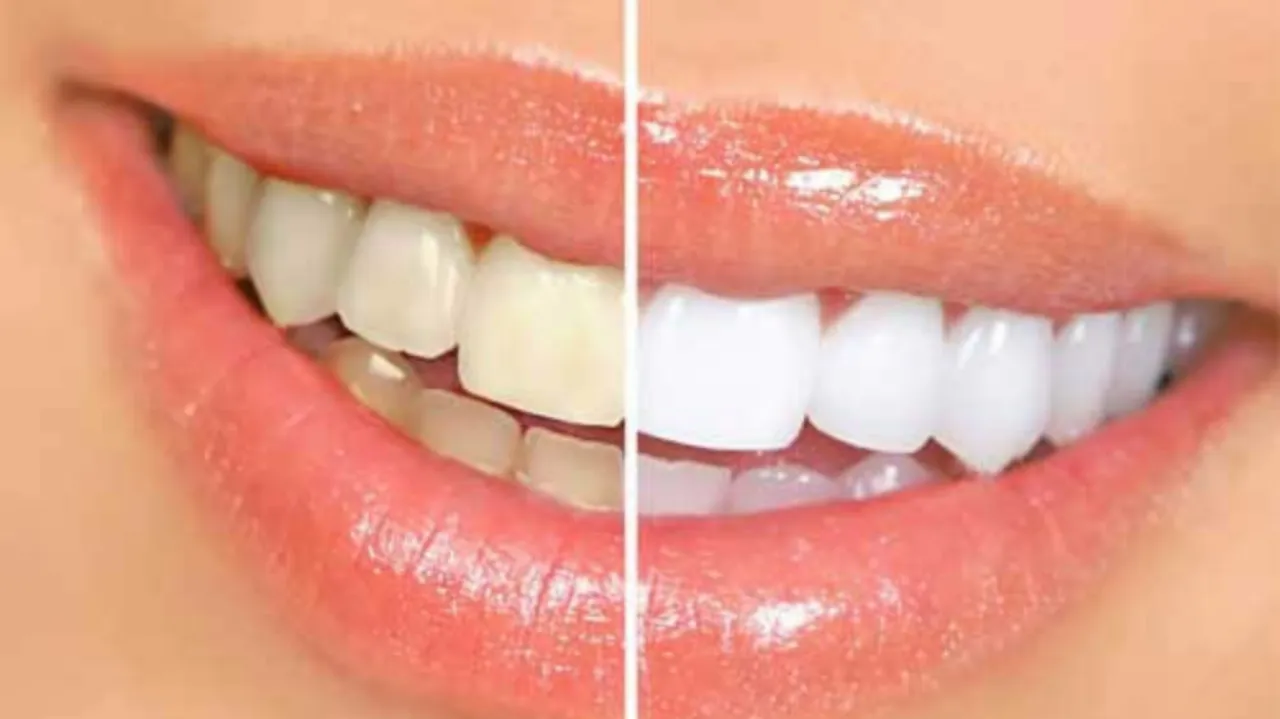
Teeth whitening has become a popular cosmetic procedure, promising a brighter, more confident smile. While the allure of dazzling white teeth is strong, it’s crucial to be aware of the potential downsides. This article delves into the top 5 cons of teeth whitening, providing a comprehensive understanding of the risks and considerations involved. Before you jump on the whitening bandwagon, it’s essential to weigh these potential drawbacks to make an informed decision that aligns with your dental health goals. Let’s explore the potential downsides to ensure you’re well-prepared and can make a safe choice for your smile.
Sensitivity and Discomfort
One of the most frequently reported cons of teeth whitening is increased sensitivity. This discomfort can manifest in various forms and levels of severity, making it a significant concern for many individuals. Sensitivity can arise from the whitening agents interacting with the teeth’s enamel and dentin, the layer beneath the enamel. While not everyone experiences sensitivity, it’s a common enough side effect to warrant careful consideration before undergoing the procedure. This sensitivity can impact your daily life, making it difficult to enjoy hot or cold foods and drinks comfortably.
Tooth Sensitivity
Tooth sensitivity is the most common consequence. The bleaching agents, often hydrogen peroxide or carbamide peroxide, penetrate the enamel, causing temporary inflammation of the tooth’s nerve. This leads to a sharp, shooting pain when exposed to temperature changes or air. The severity of sensitivity can vary, from mild twinges to intense pain. If you have sensitive teeth to begin with, it’s especially important to consult your dentist before whitening. They might recommend pre-treatment options to reduce sensitivity, such as using special toothpaste designed for sensitive teeth or fluoride treatments.
Gum Irritation

Gum irritation, another potential side effect, can range from mild inflammation to more severe reactions. Whitening products can come into contact with the gums during the procedure, especially with at-home kits. This can cause redness, swelling, and tenderness. In severe cases, it can lead to chemical burns or blistering. Proper application and professional guidance are crucial to minimize gum irritation. Your dentist can ensure the whitening agent is applied correctly, protecting your gums from direct contact. Over-the-counter products may not always provide this level of protection, emphasizing the importance of consulting a dental professional before beginning any whitening treatment.
Enamel Damage
Although less common, excessive or improper teeth whitening can potentially damage tooth enamel. Overuse of bleaching agents can weaken the enamel over time, making teeth more susceptible to decay, sensitivity, and other dental problems. This is why adhering to the instructions provided by your dentist or the product manufacturer is crucial. Prolonged use or using products with a high concentration of bleaching agents can exacerbate this risk. Regular dental check-ups are essential during and after whitening to monitor the health of your enamel and ensure the treatment is not causing any adverse effects.
Effect on Dental Work
If you have existing dental work, such as fillings, crowns, or veneers, teeth whitening can present unique challenges. Whitening agents only affect natural tooth enamel and do not alter the color of these artificial materials. This can lead to an uneven appearance, where your natural teeth become whiter while the dental work remains the same shade. Understanding these limitations is essential when considering teeth whitening, especially if you have extensive dental restorations. It’s important to discuss your existing dental work with your dentist to determine the best course of action and achieve the desired results without compromising your smile’s overall appearance.
Fillings and Crowns

Fillings, crowns, and veneers are made from materials that do not respond to teeth whitening agents. Therefore, these restorations will not lighten during the whitening process, potentially creating a noticeable color difference between your natural teeth and the dental work. This is particularly noticeable with front teeth, which are highly visible when smiling. To address this, you might need to replace the existing dental work to match the new shade of your whitened teeth. This is an additional cost and procedure to consider when planning for teeth whitening, especially if you have many restorations.
Uneven Whitening
Uneven whitening can occur when some parts of your teeth whiten more than others. This can be due to variations in enamel thickness, existing dental work, or inconsistent application of the whitening agent. Certain areas of your teeth might appear brighter than others, creating an aesthetically displeasing result. This is why professional guidance and custom-fitted trays are crucial, as they ensure the whitening agent is evenly applied. For at-home kits, following the instructions precisely and avoiding overuse can help minimize the risk of uneven whitening. Your dentist can also help identify the cause of unevenness and recommend corrective measures.
Temporary Results
The effects of teeth whitening are not permanent. Over time, your teeth can gradually revert to their original shade or become stained again. This is due to various lifestyle factors, such as diet and habits, which can impact the longevity of your brightened smile. Maintaining a bright smile requires ongoing maintenance, which can include touch-up treatments and lifestyle adjustments. Understanding that teeth whitening is not a one-time fix is crucial, as you’ll need to incorporate it into your long-term oral care routine to maintain your desired results and avoid disappointment. The duration of results varies depending on the whitening method used and individual factors.
Lifestyle Factors

Lifestyle factors play a significant role in how long your teeth stay white after whitening. Smoking, consuming staining foods and drinks, and poor oral hygiene can all contribute to the discoloration of your teeth. Smoking, in particular, is a major culprit, as nicotine and tar can quickly stain your teeth. Regularly consuming coffee, tea, red wine, and dark-colored foods can also lead to staining. To maintain a bright smile, it’s essential to minimize these habits and maintain good oral hygiene practices, including regular brushing, flossing, and dental check-ups. This proactive approach extends the lifespan of your whitening results.
Staining Foods and Drinks
Certain foods and drinks are notorious for staining teeth. Coffee, tea, red wine, berries, and dark sauces can all contribute to the discoloration of your teeth after whitening. These substances contain pigments that can easily adhere to the enamel, leading to staining. To minimize staining, it is advisable to limit your intake of these items or rinse your mouth with water immediately after consumption. Using a straw for beverages like coffee and tea can also help reduce direct contact with your teeth. Regular brushing and flossing can also prevent these stains from setting in, allowing you to maintain your whiter smile for longer.
Cost and Maintenance
The cost of teeth whitening can vary significantly depending on the method used, the dentist’s fees, and any additional treatments required. Professional teeth whitening is generally more expensive than at-home options, but it also tends to deliver more reliable and lasting results. In addition to the initial cost, you also need to factor in the ongoing maintenance expenses, such as touch-up treatments and whitening products. This can be a significant financial commitment over time. Therefore, it is crucial to consider your budget and the long-term financial implications when deciding whether to pursue teeth whitening.
Professional vs DIY Whitening

Professional teeth whitening, performed by a dentist, typically involves stronger bleaching agents and can provide more dramatic and consistent results. However, it is also more expensive than at-home whitening kits. DIY options, such as over-the-counter strips or trays, are generally less expensive but may not be as effective or may cause inconsistent results. The choice depends on your budget, your desired level of whitening, and your willingness to accept potential risks. Consulting your dentist is the best way to determine which method is most suitable for your specific needs and to minimize potential side effects.
Ongoing Costs
To maintain your bright smile, you’ll likely need to invest in ongoing maintenance. This might include purchasing touch-up whitening kits or scheduling periodic professional treatments. Additionally, you may need to purchase special toothpaste or mouthwash designed to maintain the whitening effect. These ongoing expenses can add up over time. It’s essential to budget for these costs when considering teeth whitening and to understand that maintaining your desired results requires a continuous effort. The frequency of touch-ups depends on your lifestyle, diet, and the specific whitening method used.
Overall Health Risks
While generally considered safe when performed correctly, teeth whitening does come with some potential overall health risks. These risks are usually associated with overuse, misuse, or allergic reactions to the whitening agents. It’s crucial to follow the instructions provided by your dentist or the product manufacturer. If you experience any unusual symptoms, such as severe pain, swelling, or allergic reactions, seek immediate medical attention. Being aware of these potential risks and taking the necessary precautions can help you minimize any adverse effects and ensure a positive experience with teeth whitening.
Overuse and Misuse

Overuse of teeth whitening products can increase the risk of adverse effects. Using whitening agents too frequently or for prolonged periods can lead to enamel damage, tooth sensitivity, and gum irritation. Following the recommended guidelines and consulting your dentist can help you avoid overuse. Misuse, such as using products not intended for teeth whitening or applying them incorrectly, can also increase the risk of side effects. Always read and understand the product instructions and seek professional guidance to ensure you’re using the whitening products safely and effectively. It’s always better to err on the side of caution when it comes to dental health.
Allergic Reactions
Although rare, allergic reactions to teeth whitening products are possible. Some individuals may be allergic to the bleaching agents or other ingredients in the products. Symptoms of an allergic reaction can include swelling, itching, hives, or difficulty breathing. If you experience any of these symptoms after using a teeth whitening product, stop using it immediately and seek medical attention. Inform your dentist about your allergic reaction, as they can help you identify the allergen and recommend alternative options. Be sure to discuss any known allergies with your dentist before undergoing teeth whitening.
In conclusion, while teeth whitening can significantly enhance your smile, it’s essential to be aware of the potential downsides. Sensitivity, gum irritation, enamel damage, and the impact on dental work are all factors to consider. The temporary nature of the results, along with the associated costs and maintenance, also warrants careful evaluation. By understanding these cons and consulting with your dentist, you can make an informed decision that protects your dental health while achieving your desired cosmetic goals. Remember, a healthy smile is a beautiful smile, and prioritizing your overall dental health should always be your primary concern.