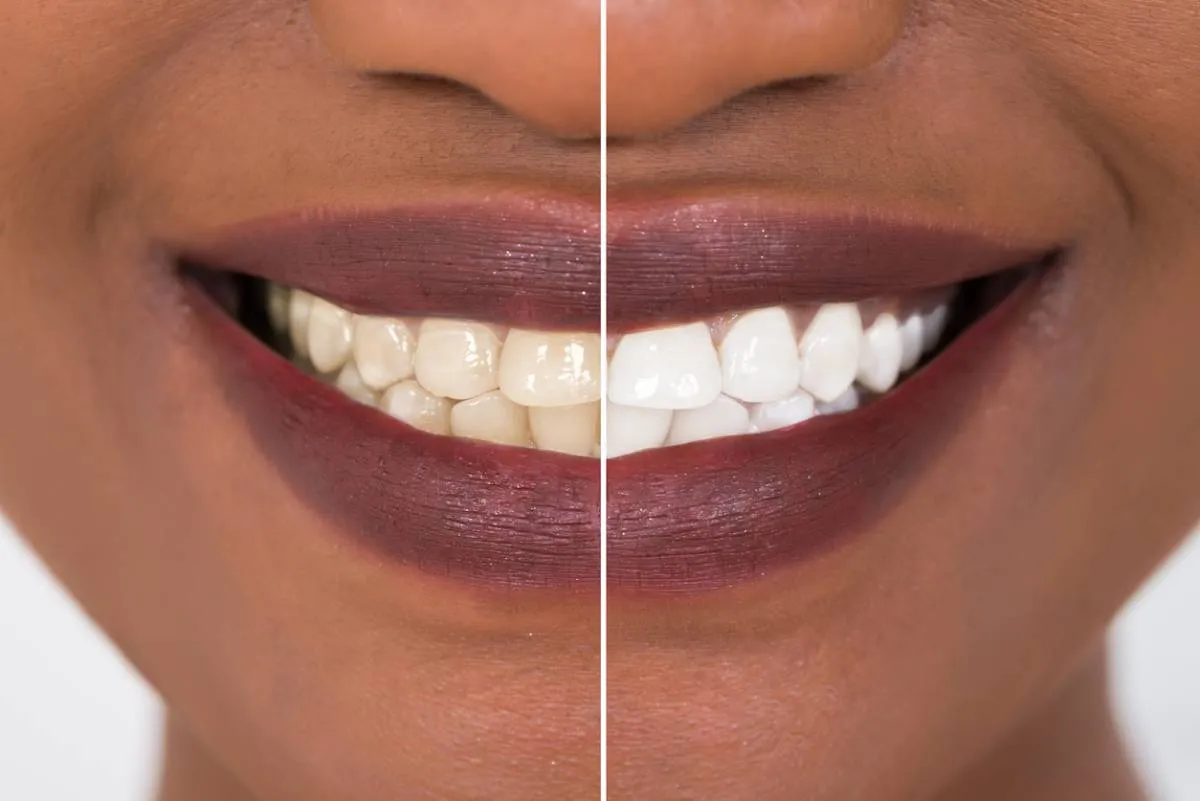
Teeth Whitening Diet The Foundation
Achieving a brighter smile goes beyond just brushing and whitening treatments; it also involves what you eat and drink. A teeth whitening diet focuses on incorporating foods and beverages that support oral health and minimize staining. This approach complements other whitening methods, helping to maintain a vibrant and healthy smile. This article unveils the top 5 tips to create a teeth whitening diet, giving you the knowledge to make informed food choices that can significantly impact your teeth’s appearance. Understanding the principles behind the teeth whitening diet empowers you to take control of your oral health and achieve the smile you’ve always desired, and also, it gives you the proper way of eating habits to keep your teeth healthy.
Prioritize Teeth-Friendly Foods
The cornerstone of a teeth whitening diet involves prioritizing foods that promote oral health. These foods work in various ways, from strengthening enamel to naturally cleaning the teeth. Eating a diet rich in these elements is the first step in achieving and maintaining a bright smile. The goal is to create a favorable environment in your mouth, one that supports healthy teeth and minimizes the impact of staining agents. By making informed food choices, you can lay a strong foundation for your teeth whitening journey.
Calcium-Rich Foods

Calcium is essential for strong teeth, helping to fortify enamel and making your teeth less susceptible to stains and damage. Incorporate calcium-rich foods into your diet to support overall oral health. Examples include dairy products like milk, cheese, and yogurt, as well as leafy green vegetables, almonds, and fortified plant-based alternatives. These foods contribute to a stronger, healthier foundation for your teeth, improving the effectiveness of your whitening efforts. By including calcium-rich foods in your diet, you provide your teeth with the necessary building blocks for resilience and a brighter appearance.
Crunchy Fruits and Vegetables
Crunchy fruits and vegetables act as natural teeth cleaners. As you chew, they help remove surface stains and plaque, promoting a brighter smile. Apples, carrots, celery, and cucumbers are excellent choices. These foods stimulate saliva production, which further aids in cleaning the teeth and neutralizing acids. Make it a habit to include these items in your daily meals to keep your teeth naturally clean and improve their appearance. Adding these to your diet can significantly improve your oral hygiene and boost the effect of any whitening treatments you may use.
Hydration is Key for a Brighter Smile
Staying hydrated is not just good for your overall health; it plays a vital role in maintaining a bright smile. Water helps rinse away food particles and acids that can stain teeth. Drinking plenty of water also helps stimulate saliva production, which acts as a natural defense against tooth decay. Proper hydration keeps your mouth clean and prevents the buildup of substances that can lead to discoloration. Regularly sipping water throughout the day is a simple yet effective practice in a teeth whitening diet.
The Importance of Drinking Water

Water is essential for a clean mouth and a healthy smile. It rinses away food particles and bacteria that contribute to staining and decay. Make water your go-to beverage, especially after meals and snacks. By consistently drinking water, you actively protect your teeth from the damaging effects of acidic foods and beverages. This simple habit can have a significant impact on your oral health and the brightness of your smile, reinforcing the benefits of other teeth whitening strategies.
Limit Staining Beverages
Certain beverages can significantly stain teeth. Coffee, tea, and red wine are notorious for their staining properties. These drinks contain pigments that can adhere to the enamel, leading to discoloration. Limiting your consumption of these beverages can help prevent staining and preserve the brightness of your teeth. If you do consume these drinks, consider drinking water afterward or using a straw to minimize contact with your teeth. Being mindful of your beverage choices is a crucial step in a teeth whitening diet.
Coffee Tea and Wine Considerations
If you enjoy coffee, tea, or wine, you don’t necessarily have to eliminate them completely. However, being aware of their impact on your teeth and taking preventive measures can help. Consider drinking these beverages in moderation and immediately rinsing your mouth with water afterward to reduce staining. Regular dental check-ups and professional cleanings can also help remove any accumulated stains. By being mindful of your consumption habits, you can balance your enjoyment of these drinks with maintaining a bright smile. This helps reduce the risk of staining and keeps your teeth looking their best.
Embrace Dairy and Its Benefits

Dairy products offer numerous benefits for oral health, making them a valuable addition to your teeth whitening diet. Dairy items contain calcium, which is essential for strengthening tooth enamel and reducing the risk of staining. Moreover, the proteins in dairy can help neutralize acids in the mouth, further protecting your teeth. By incorporating dairy into your diet, you can support your teeth’s health and contribute to a brighter, more radiant smile. Enjoying dairy products is a tasty and effective way to boost your teeth whitening efforts.
Dairy Products for Stronger Teeth
Dairy products such as milk, cheese, and yogurt are excellent sources of calcium, which is critical for strong and healthy teeth. Calcium helps fortify tooth enamel, making your teeth more resistant to stains and damage. Regularly consuming dairy products provides a natural defense against the factors that contribute to tooth discoloration. They are a delicious and beneficial component of any teeth whitening diet. Including these items in your diet can enhance your oral health regimen and support a brighter, healthier smile.
Practice Good Oral Hygiene Habits
Good oral hygiene habits are essential for maintaining a bright smile. This includes brushing your teeth at least twice a day, flossing daily, and visiting your dentist for regular check-ups and cleanings. Proper oral hygiene removes plaque and bacteria, preventing stains and promoting overall oral health. Regular dental visits allow your dentist to identify and address any issues early on, keeping your teeth healthy and bright. Following these practices complements your dietary efforts, ensuring optimal results in your teeth whitening journey. This combination of diet and hygiene will significantly enhance the brightness of your teeth.
Brushing and Flossing Techniques

Effective brushing and flossing techniques are critical for removing food particles, plaque, and bacteria that can lead to stains and decay. Brush your teeth for two minutes twice a day, using a fluoride toothpaste and gentle circular motions. Floss daily to remove debris from between your teeth and along the gum line. Consider using a soft-bristled toothbrush and replacing it every three months. These simple techniques will help to keep your teeth clean and contribute to a brighter, healthier smile, maximizing the benefits of your teeth whitening diet.
The Role of Regular Dental Check-ups
Regular dental check-ups and cleanings are essential components of any teeth whitening strategy. Your dentist can remove plaque and tartar, which can cause staining and prevent whitening treatments from being as effective. They can also identify any dental issues, such as cavities or gum disease, early on. Professional cleanings polish your teeth, removing surface stains and revealing a brighter smile. Make sure to schedule check-ups at least twice a year to support your teeth whitening efforts and maintain optimal oral health.
Consider Natural Teeth Whitening Foods
In addition to the foods mentioned, some natural foods have teeth-whitening properties. These foods can provide extra benefits, complementing your overall approach to a brighter smile. Including these options in your diet offers an easy and effective way to boost your teeth whitening efforts. These natural aids can help you achieve and maintain a more radiant smile, as well as benefit your overall health.
Pineapple and Strawberries

Pineapple contains an enzyme called bromelain, which can help remove stains and reduce plaque buildup. Strawberries contain malic acid, a natural astringent that can also aid in whitening teeth. While these foods should not be considered a substitute for professional treatments or comprehensive oral care, they can be helpful additions to your teeth whitening diet. Enjoying these tasty fruits can contribute to a brighter and healthier smile, enhancing the results of your overall oral care plan.
Teeth Whitening Diet Conclusion
The teeth whitening diet is a powerful tool for achieving and maintaining a brighter smile. By focusing on teeth-friendly foods, staying hydrated, limiting staining beverages, embracing dairy, practicing good oral hygiene, and including natural teeth-whitening foods, you can significantly impact your teeth’s appearance. Remember that consistency is key. Making conscious food choices and incorporating these habits into your daily routine will contribute to lasting results. Combining this diet with professional treatments and regular dental check-ups can help you achieve the radiant smile you’ve always wanted. Take control of your oral health today and enjoy the benefits of a brighter, healthier smile.