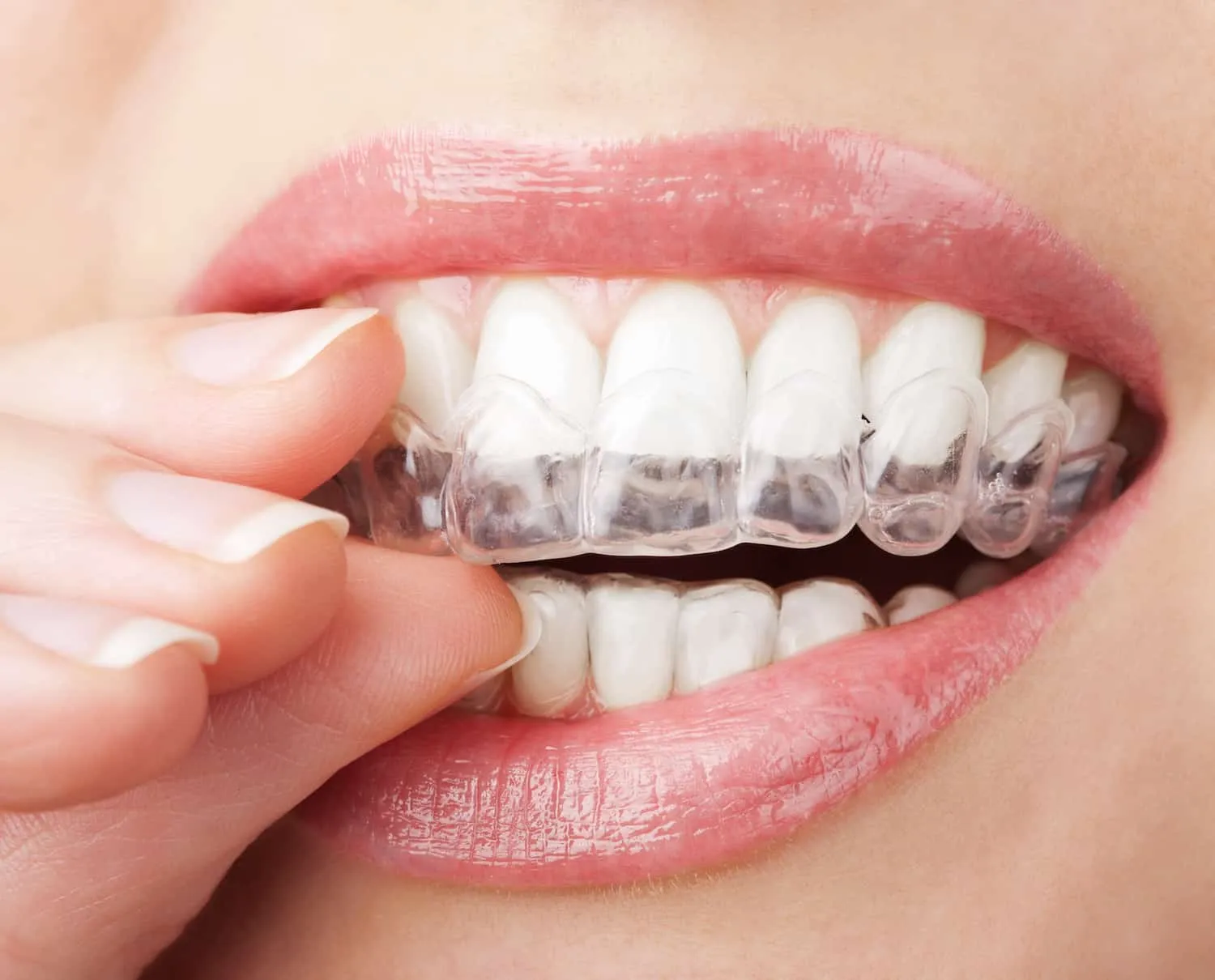
What Causes Teeth Whitening Pain?
Teeth whitening, a popular cosmetic procedure, can sometimes lead to temporary discomfort or pain. This sensitivity arises from the whitening agents, typically hydrogen peroxide or carbamide peroxide, penetrating the enamel and reaching the dentin, which contains microscopic tubules that lead to the nerve of the tooth. This process can irritate the nerve, causing sensitivity. The intensity of the pain varies based on the concentration of the whitening agent, the duration of the treatment, and individual tooth characteristics. Understanding the root causes of this pain is the first step in managing and mitigating it, ensuring a more comfortable teeth whitening experience. Several factors contribute to this discomfort, ranging from the type of whitening treatment used to the existing condition of your teeth.
Teeth Sensitivity Understanding the Culprit
Tooth sensitivity is the primary culprit behind the pain experienced during teeth whitening. This sensitivity occurs because the whitening agents can cause the tooth’s pores to open, allowing the bleaching chemicals to reach the nerves. This can cause pain or discomfort when the teeth come into contact with hot, cold, sweet, or acidic substances. The enamel, the hard outer layer of the tooth, protects the underlying dentin, and when this enamel is thin or damaged, the dentin becomes more exposed, increasing sensitivity. Moreover, the dentin tubules, which connect the enamel to the tooth’s nerve, play a significant role. Any stimulation in these tubules is directly transmitted to the nerve, resulting in a sensation of pain. Managing this sensitivity is therefore critical for a less painful teeth whitening experience.
The Science Behind Tooth Sensitivity

The science of tooth sensitivity during teeth whitening involves complex interactions at a cellular level. Hydrogen peroxide, the active ingredient in many whitening agents, breaks down into molecules that penetrate the enamel and dentin. This process alters the structure of the enamel, making the teeth more porous. When the whitening agent reaches the dentin, it affects the odontoblastic processes, which are nerve fibers inside the dentin tubules. This disruption stimulates the nerve, leading to sensitivity. Furthermore, the chemical reaction can cause inflammation of the pulp, the soft tissue within the tooth containing nerves and blood vessels. Understanding the scientific basis allows for informed choices about whitening methods and pre-treatment measures to minimize discomfort. The degree of sensitivity is also influenced by genetics, oral hygiene, and pre-existing conditions.
Different Types of Teeth Whitening & Their Impact
Different teeth whitening methods have varying impacts on sensitivity levels. Professional in-office treatments typically use higher concentrations of bleaching agents, resulting in faster results but potentially greater sensitivity. These procedures are performed under the supervision of a dentist, who can take precautions such as using desensitizing agents and protecting the gums. Conversely, at-home whitening kits, including those with custom trays and over-the-counter strips, generally contain lower concentrations of the bleaching agent. This reduces the likelihood of severe sensitivity, but the whitening process takes longer. The impact also depends on how the product is used; following instructions is critical. Some methods might be gentler, while others may incorporate advanced light technologies to enhance the whitening process. The best choice depends on individual needs, desired outcomes, and tolerance for potential pain.
Professional Whitening vs. DIY Kits
The choice between professional teeth whitening and DIY kits significantly impacts the risk of experiencing pain. Professional treatments, carried out by dentists, offer several advantages. Dentists can use higher concentrations of whitening agents, delivering faster results and applying protective measures to minimize sensitivity. They can also identify and address any pre-existing dental issues that might worsen sensitivity. DIY kits, on the other hand, are more accessible and cost-effective. However, they come with potential drawbacks. The lower concentration of the bleaching agent reduces the risk of pain, but results may be less dramatic. Incorrect usage or pre-existing dental problems can increase the likelihood of sensitivity. Careful selection of the method and understanding your teeth’s sensitivity is crucial.
Top 5 Things to Know About Teeth Whitening Pain

- Sensitivity is Common It is normal to experience some level of sensitivity during or after teeth whitening.
- Whitening Agents are the Cause Peroxide-based whitening agents cause sensitivity by penetrating the enamel.
- Pain is Temporary Sensitivity typically subsides within a few days after treatment.
- Consult Your Dentist Always consult with your dentist to assess your suitability for teeth whitening.
- Take Action to Manage Pain Use desensitizing toothpaste and follow aftercare instructions to manage any discomfort.
Proper Toothpaste Selection for Sensitive Teeth
Choosing the right toothpaste can significantly help in managing teeth whitening pain. Toothpastes designed for sensitive teeth typically contain ingredients such as potassium nitrate or stannous fluoride. These ingredients work by blocking the dentin tubules or strengthening the enamel, reducing nerve stimulation and pain. Using a sensitive toothpaste a few weeks before starting the whitening treatment can prepare your teeth, minimizing the chances of pain. It is also advisable to continue using this toothpaste during and after the whitening process to maintain comfort. When choosing a toothpaste, always look for the sensitivity relief claim on the packaging, and consult your dentist for recommendations. Avoid abrasive toothpastes that can further irritate the teeth during the whitening process.
Choosing the Right Whitening Method
Selecting the appropriate teeth whitening method is crucial for mitigating pain. If you have a history of sensitive teeth, a professional whitening treatment performed by a dentist may be ideal. Dentists can control the concentration of the whitening agent and use protective measures. For those seeking a more affordable and convenient option, at-home kits provide a gentler approach, reducing the likelihood of severe sensitivity. Always consider the sensitivity level of your teeth when selecting a method. Reading reviews and consulting with your dentist can provide insight into the pros and cons of various methods. If you anticipate sensitivity, select a method that provides desensitizing options or has a lower concentration of the bleaching agent.
How to Prevent Pain During Teeth Whitening

Proactive steps can greatly minimize the pain associated with teeth whitening. Start by consulting your dentist to assess your oral health and sensitivity levels. Pre-treatment with desensitizing toothpaste for a few weeks can help prepare your teeth for the process. During the whitening treatment, follow all instructions carefully, avoiding overuse or prolonged exposure to the whitening agent. Use a custom-fitted tray for at-home kits to prevent the whitening agent from coming into contact with your gums, which can also cause sensitivity. Consider taking breaks during the treatment to reduce the amount of time your teeth are exposed to the whitening agent. Moreover, avoid consuming extremely hot or cold foods or drinks, which can trigger sensitivity, and use a soft-bristled toothbrush to avoid further irritation.
Consultation with a Dentist
Consulting a dentist before undergoing teeth whitening is paramount for several reasons. A dentist can assess your oral health, identifying any underlying conditions like cavities, gum disease, or enamel erosion, which can worsen sensitivity. They can also recommend the most appropriate whitening method based on your needs and sensitivity level. Your dentist may offer in-office treatments or guide you on using home-based kits safely. During the consultation, your dentist can take preventative measures, such as applying a fluoride varnish or prescribing a desensitizing agent. They will provide tailored advice and instructions on how to manage potential discomfort. Regular dental checkups also ensure your teeth are healthy enough for the whitening process, minimizing potential complications.
Desensitizing Treatments
Several desensitizing treatments are available to reduce the pain associated with teeth whitening. Dentists may apply a fluoride varnish to strengthen the enamel and reduce sensitivity. Fluoride helps to remineralize the enamel, making teeth less porous and more resistant to external stimuli. Another option is the use of desensitizing toothpaste containing potassium nitrate or stannous fluoride. These toothpastes block the dentin tubules, preventing nerve stimulation. In-office treatments like the application of special gels or varnishes containing calcium phosphate can also help. The most effective treatment depends on the individual’s sensitivity level. Discussing your options with your dentist can help determine the best approach. When considering desensitizing treatments, it’s essential to understand their effectiveness and potential side effects to make an informed decision.
At-Home Remedies for Pain Relief

Various at-home remedies can help manage pain and discomfort during and after teeth whitening. Using desensitizing toothpaste regularly can help reduce sensitivity over time. Rinse your mouth with lukewarm water after eating or drinking, avoiding extreme temperatures that might trigger pain. Applying a small amount of the desensitizing toothpaste directly to the sensitive areas can also provide immediate relief. Avoiding acidic and sugary foods and beverages can prevent irritation. If your teeth are sensitive, consider using a soft-bristled toothbrush to avoid any further irritation. For additional comfort, over-the-counter pain relievers, like ibuprofen, can provide temporary pain relief. However, always consult with your dentist if the pain persists or worsens, as they can provide professional solutions.
How Long Does Teeth Whitening Pain Last?
The duration of teeth whitening pain varies depending on the individual, the method used, and the severity of sensitivity. Typically, any discomfort peaks within the first 24 to 48 hours after the whitening procedure. For most, the sensitivity subsides within a few days to a week. Using desensitizing toothpaste and following aftercare instructions can help shorten this period. In rare cases, the pain may last longer, particularly if the whitening treatment was too intense or if there were underlying dental issues. If the pain is prolonged or severe, consult your dentist. They can assess the situation and provide advice on how to manage the pain. Knowing the typical duration of pain can help manage expectations and ensure the best post-whitening experience.
Post-Whitening Care for Optimal Comfort
Proper post-whitening care is crucial for ensuring comfort and maximizing results. Avoid consuming foods and drinks that can stain your teeth, such as coffee, tea, red wine, and dark-colored berries, for at least a few days. Continue using desensitizing toothpaste to reduce sensitivity. Be gentle when brushing your teeth, using a soft-bristled toothbrush. Avoid excessive pressure, as it can irritate sensitive teeth. If you experience discomfort, over-the-counter pain relievers can provide temporary relief. Keep up with regular dental checkups and cleanings to maintain your bright smile. Furthermore, adhere to any specific instructions given by your dentist. Consistent and careful post-whitening care helps you enjoy the benefits of teeth whitening while minimizing discomfort and maintaining optimal oral health.
When to Seek Professional Help

While some sensitivity after teeth whitening is normal, knowing when to seek professional help is essential. Consult your dentist if the pain is severe, persistent, or interferes with your daily activities. If you experience intense toothache, significant gum irritation, or any other unusual symptoms, contact your dentist right away. These symptoms may indicate an underlying dental issue that needs immediate attention. If you are concerned about the duration or intensity of the pain, it is best to seek professional advice. Your dentist can determine if further treatment is necessary, such as adjusting your whitening plan or addressing underlying causes of your sensitivity. Seeking professional help promptly ensures optimal oral health and minimizes any potential complications.
Conclusion
Teeth whitening can significantly enhance your smile, but understanding and managing potential pain is critical. By being informed about the causes, prevention strategies, and remedies, you can achieve a brighter smile with minimal discomfort. Choosing the right method, using desensitizing products, and consulting with a dentist can help ensure a positive whitening experience. Always prioritize your oral health and seek professional advice if you have any concerns. With proper care and attention, you can enjoy the benefits of teeth whitening while keeping your smile healthy and pain-free.