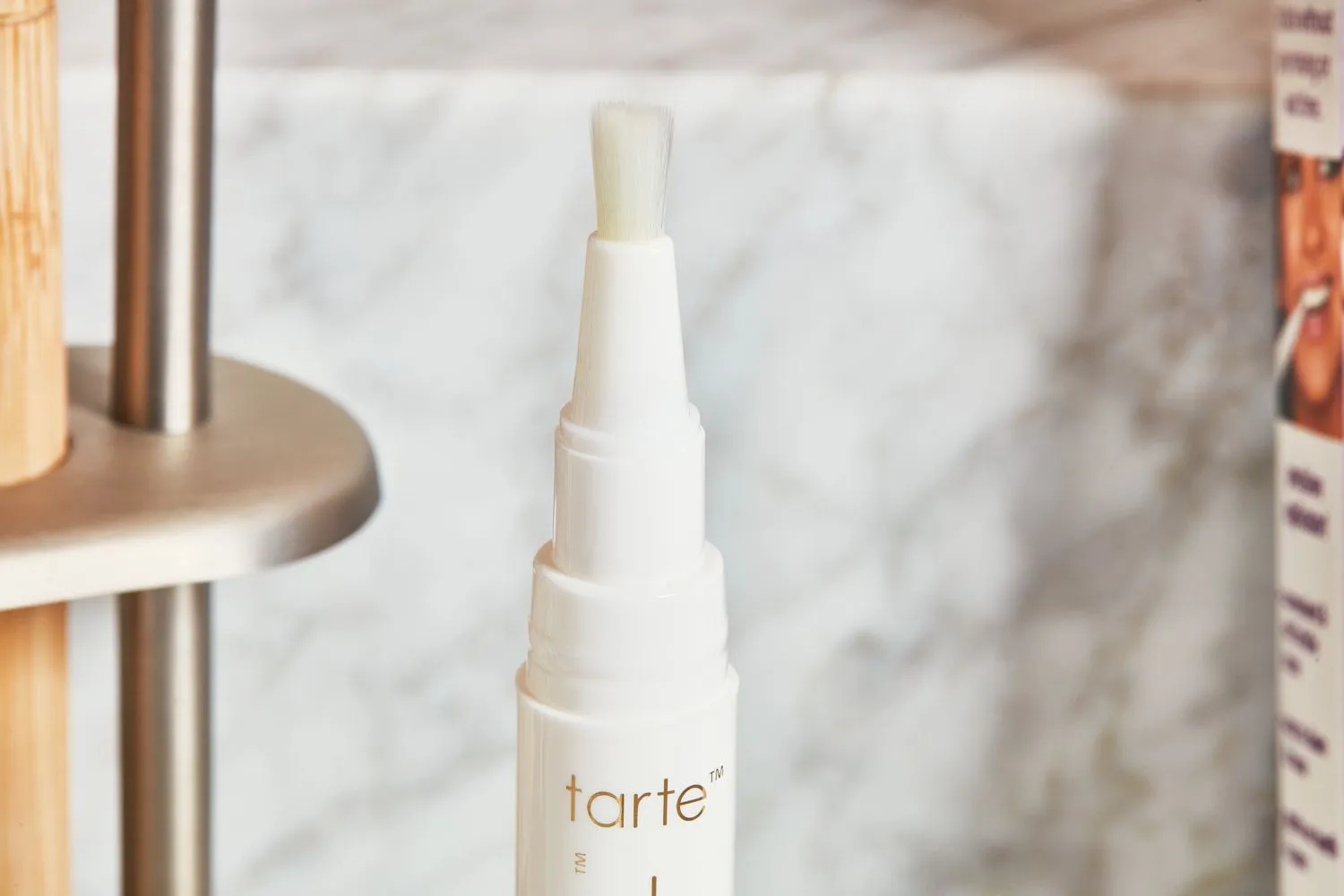
What is a Teeth Whitening Pen
A teeth whitening pen is a portable and convenient device designed to brighten your smile. These pens are small, typically resembling a pen, and contain a whitening gel that is applied directly to the teeth. They offer a quick and easy way to combat stains and discoloration caused by coffee, tea, wine, and other factors. They are a popular choice for those seeking an affordable and accessible teeth whitening solution without the need for professional treatments or complex procedures. The ease of use and portability makes it a convenient option for maintaining a brighter smile on the go.
How Does a Teeth Whitening Pen Work
Teeth whitening pens work by using active ingredients to break down the stains on the surface of your teeth. When the whitening gel comes into contact with the tooth enamel, it penetrates the enamel and oxidizes the stain molecules. This process breaks down the stains into smaller, less visible particles, resulting in a brighter appearance. The effectiveness of the pen depends on the concentration of the whitening agent and the duration of its contact with the teeth. Consistent use, as directed, can lead to noticeable improvements in tooth color, giving you a more confident smile. The application is usually straightforward, making it a user-friendly option for anyone looking to improve their dental aesthetics.
The Ingredients of a Teeth Whitening Pen

The key to a teeth whitening pen’s effectiveness lies in its active ingredients. These ingredients are responsible for breaking down the stains that darken teeth. Understanding these ingredients can help you make an informed decision when choosing a whitening pen. The concentration and type of these ingredients vary among different products, influencing both the whitening power and the potential for side effects.
Hydrogen Peroxide
Hydrogen peroxide is one of the most common and effective whitening agents found in these pens. It works by releasing oxygen molecules that penetrate the enamel and react with the stain molecules. The concentration of hydrogen peroxide can vary, with higher concentrations generally leading to quicker results. However, higher concentrations may also increase the risk of tooth sensitivity. Products with lower concentrations are often designed for more frequent use, providing a gentler approach to whitening. Many professional whitening treatments also use hydrogen peroxide, but in higher concentrations.
Carbamide Peroxide
Carbamide peroxide is another popular whitening agent. When it comes into contact with water, it breaks down into hydrogen peroxide and urea. The hydrogen peroxide then performs the whitening action, while the urea acts as a moisturizing agent. Carbamide peroxide is often used in higher concentrations in professional whitening treatments but can also be found in teeth whitening pens. Products containing carbamide peroxide typically offer a slower but often more sustained whitening effect compared to those using only hydrogen peroxide. The urea content can also help reduce tooth sensitivity during the whitening process.
Other Whitening Agents

Besides hydrogen and carbamide peroxide, some pens may include other whitening agents. These can include natural ingredients or alternative chemicals designed to achieve similar results. Some formulations may use sodium chlorite or other compounds that release bleaching agents upon contact with the teeth. These alternative ingredients are often marketed as being less harsh on the teeth. The effectiveness can vary widely among these alternative agents. Always review the product label and research the specific ingredients to understand their potential benefits and risks.
How to Use a Teeth Whitening Pen
Using a teeth whitening pen is a simple process, but following the correct steps will maximize its effectiveness and minimize potential side effects. Before starting, it is essential to read the product instructions carefully. Understanding the specific guidelines for the pen you have purchased will ensure the best results. The general process involves preparing your teeth, applying the gel, and avoiding common mistakes. Consistent and correct usage is key to achieving a brighter, whiter smile.
Step 1 Preparing Your Teeth
Before applying the whitening gel, you should brush your teeth gently to remove any surface debris and plaque. This allows the whitening agent to directly contact the enamel. Rinsing your mouth with water can also help to remove any remaining food particles. Make sure your teeth are dry before applying the gel, as this can enhance the pen’s adhesion to your teeth. Ensuring your teeth are clean and dry will help maximize the whitening pen’s effectiveness, allowing the active ingredients to penetrate the enamel more effectively.
Step 2 Applying the Whitening Gel

Most pens have a twist-and-click mechanism that dispenses the whitening gel. Apply the gel evenly to the surface of your teeth, ensuring you cover all visible areas. Avoid getting the gel on your gums, as this can lead to irritation. After application, wait for the recommended time, which is usually specified in the product instructions. Avoid eating or drinking anything during this time to allow the gel to work effectively. Follow the instructions carefully to ensure that you use the pen correctly and achieve the best results. See image of teeth-whitening-pen-application.webp
Step 3 Avoiding Common Mistakes
One common mistake is applying too much gel, which can lead to increased sensitivity or irritation. Another is neglecting to follow the recommended application time. Avoid eating or drinking anything for at least 30 minutes after applying the gel to allow it to work. Make sure to store the pen correctly, usually in a cool, dry place, and always replace the cap to prevent the gel from drying out. Be consistent with your applications, and do not exceed the recommended frequency. Consistency is vital to achieving and maintaining your desired results.
Benefits of Using a Teeth Whitening Pen
Teeth whitening pens offer several advantages that make them a popular choice for improving the appearance of your smile. Their ease of use, affordability, and convenience make them an attractive option for many people. They are also less invasive than professional treatments, which makes them a great choice for those looking to brighten their smile without significant changes to their daily routine.
Convenience and Portability

One of the most significant benefits of a teeth whitening pen is its convenience. These pens are small, lightweight, and easy to carry, making them ideal for use at home, at work, or while traveling. You can easily incorporate teeth whitening into your daily routine without requiring any special equipment or significant time investment. The portability allows you to maintain your whitening regimen wherever you are, giving you the flexibility to keep your smile looking its best at all times. This is a great option for people with busy schedules.
Affordability
Teeth whitening pens are generally more affordable than professional whitening treatments or other cosmetic dental procedures. They provide an accessible option for those seeking a brighter smile without a significant financial investment. The cost-effectiveness of these pens allows you to maintain your desired tooth shade without breaking the bank. This makes them an excellent choice for anyone looking to enhance their smile on a budget, making teeth whitening more accessible to a wider audience. See image of teeth-whitening-pen-before-after.webp
Quick Results
Many teeth whitening pens offer quick results, with some users noticing a difference in their tooth shade within days of starting the treatment. The rapid improvement can be a significant motivator, encouraging users to maintain their whitening routine. The speed at which the results are achieved depends on the concentration of the active ingredients and the frequency of use. The ease of achieving visible results in a short period of time makes teeth whitening pens a rewarding choice for those seeking immediate improvements in their smile’s appearance. See image of teeth-whitening-pen-comparison.webp
Potential Downsides of Using a Teeth Whitening Pen

While teeth whitening pens offer many benefits, it is important to be aware of their potential downsides. Understanding these potential drawbacks can help you manage your expectations and make an informed decision. It is important to consider your individual sensitivity and dental health. Consulting with a dentist before using a whitening pen can help you avoid any adverse effects. Some people may experience minor side effects while using the whitening pens. See image of teeth-whitening-pen-sensitivity.webp
Tooth Sensitivity
Tooth sensitivity is a common side effect of teeth whitening, including the use of pens. This can occur because the whitening agents can penetrate the enamel and reach the dentin, where the nerves of the teeth are located. Sensitivity can range from mild discomfort to sharp, shooting pains. Reducing the frequency of applications or using a toothpaste specifically designed for sensitive teeth can often alleviate the issue. If sensitivity persists, it is essential to consult a dentist to ensure the whitening process is not causing any long-term damage.
Gum Irritation
Gum irritation is another potential side effect. If the whitening gel comes into contact with the gums, it can cause inflammation, redness, and soreness. This is usually a temporary side effect, but it can be uncomfortable. To minimize this risk, apply the gel carefully, ensuring it does not touch the gums. Rinsing your mouth thoroughly after applying the gel can also help. If the irritation persists, discontinue use and consult a dental professional. Ensuring the proper application is very important to prevent gum irritation.
Uneven Whitening

Uneven whitening can sometimes occur, especially if the gel is not applied uniformly or if certain teeth have more stubborn stains than others. This can result in a patchy appearance. To address this, make sure you apply the gel evenly across all visible tooth surfaces. You may also need to apply the gel more frequently to the more stained areas. Consult with a dentist for guidance if you experience significant uneven whitening. Regular dental checkups and cleanings can help. See image of teeth-whitening-pen-reviews.webp
How to Choose the Right Teeth Whitening Pen
Choosing the right teeth whitening pen involves several factors. You should consider the active ingredients, read customer reviews, and assess your own sensitivity. Careful consideration of these factors will help you select a product that is both effective and safe for your specific needs. It’s always a good idea to consult with your dentist before beginning any teeth whitening treatment to ensure it’s appropriate for your oral health.
Consider the Active Ingredients
The active ingredients in a teeth whitening pen directly impact its effectiveness. Look for pens containing hydrogen peroxide or carbamide peroxide. The concentration of these agents will affect how quickly and effectively they whiten your teeth. Higher concentrations may offer faster results, but also increase the risk of sensitivity. Carefully read the product label and research the ingredients to understand how they work. Consider your sensitivity level and desired results when making your choice. See image of teeth-whitening-pen-ingredients.webp
Read Customer Reviews
Customer reviews can provide valuable insights into the effectiveness, ease of use, and potential side effects of a teeth whitening pen. Reading reviews can give you a more realistic view of the product’s performance. Look for reviews that mention the results, any experiences of sensitivity, and the overall satisfaction of other users. Consider both positive and negative reviews to get a balanced perspective. Websites and online marketplaces are excellent sources for customer reviews. Ensure the reviews are from verified purchasers to ensure credibility. See image of teeth-whitening-pen-reviews.webp
Check for Sensitivity
If you have sensitive teeth or gums, choose a pen that is specifically designed for sensitive users. These pens typically contain lower concentrations of the whitening agents or include desensitizing ingredients. If you are prone to sensitivity, it is also advisable to start with a shorter application time or use the pen less frequently. Consider using a toothpaste designed for sensitive teeth during the whitening process. Monitoring your teeth’s reaction and adjusting your usage accordingly will help you avoid discomfort and enjoy a brighter smile. If you experience significant sensitivity, consult your dentist.
Teeth Whitening Pen vs Other Whitening Methods
Teeth whitening pens are just one option among many when it comes to brightening your smile. Knowing how they compare to other methods can help you choose the best option for your needs. Consider the cost, convenience, and effectiveness of various alternatives. Understanding the differences between these methods allows you to make an informed decision that aligns with your personal preferences and dental health goals. This comparison can help you decide whether a teeth whitening pen is the right choice for you.
Teeth Whitening Pen vs Whitening Strips
Whitening strips are another popular over-the-counter option for teeth whitening. Unlike pens, strips are thin, flexible pieces coated with a whitening gel that adheres directly to your teeth. Strips often cover a larger surface area than pens, potentially leading to more even whitening. Whitening pens offer more portability and may be better for targeting specific teeth or hard-to-reach areas. The convenience factor and ease of application are similar, but some people find strips easier to use, while others prefer the control offered by pens. The choice between the two often comes down to personal preference and the specific needs of your smile. Consider which option best fits your lifestyle and whitening goals. See image of teeth-whitening-pen-application.webp
Teeth Whitening Pen vs Professional Whitening
Professional teeth whitening, performed by a dentist, typically involves stronger whitening agents and can produce more dramatic results. It is often a more expensive option. However, professional treatments are performed under controlled conditions, minimizing the risk of complications. Professional whitening may also offer additional benefits, such as custom-fitted trays or in-office treatments. Teeth whitening pens provide a convenient and affordable alternative for those who are looking for a less intensive approach. The best choice will depend on your desired results and the current state of your dental health. Consulting with your dentist can provide the best advice on which option is best for you and your teeth.
Conclusion Brightening Your Smile with a Teeth Whitening Pen
Teeth whitening pens are a convenient and accessible option for brightening your smile. By understanding how they work, how to use them effectively, and what to look for when choosing one, you can achieve a whiter, more confident smile. While they offer many benefits, it is essential to be aware of the potential downsides and to take the necessary precautions to protect your oral health. Consistent use, combined with proper care and attention to detail, can lead to noticeable improvements in your smile. If you have any concerns, always consult your dentist. Enjoy your brighter smile!