What is Teeth Whitening?
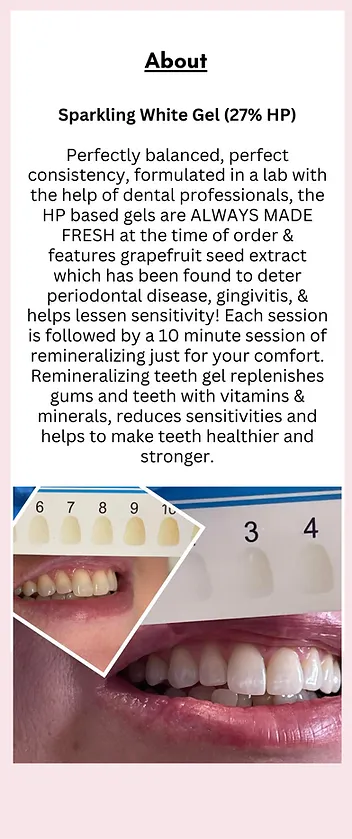
Teeth whitening, also known as teeth bleaching, is a popular cosmetic dental procedure designed to lighten the shade of your teeth. The process aims to remove stains and discoloration, leading to a brighter, more appealing smile. This can significantly boost your confidence and improve your overall appearance. Various methods are available, ranging from over-the-counter products to professional treatments administered by a dentist. The effectiveness of teeth whitening depends on the type and severity of the staining, as well as the chosen method. Understanding the options and the underlying science is crucial to achieving the best possible results and maintaining a healthy, radiant smile. It is an essential part of cosmetic dentistry that helps individuals achieve their desired level of whiteness, contributing to enhanced self-esteem and a more youthful appearance. The goal is to give patients a brighter and more radiant smile.
How Does Teeth Whitening Work?
Teeth whitening works primarily by using bleaching agents, typically hydrogen peroxide or carbamide peroxide, to break down the stains and discoloration present in your enamel. These agents penetrate the porous enamel surface and react with the stain molecules, effectively lightening them. The process does not remove the enamel itself; instead, it alters the color of the stains. The concentration of the bleaching agent, the duration of application, and the method used (at-home vs. professional) all influence the whitening effect. The active ingredients in the whitening products release oxygen molecules that penetrate the enamel and dentin, breaking down the staining compounds. This chemical reaction reduces the concentration of the stain molecules, making the teeth appear whiter. The effectiveness of this process depends on the type and severity of the stains, with surface stains generally responding better than deeper, intrinsic stains. For those considering this process, understanding how it works can help set realistic expectations and make informed decisions.
The Science Behind Teeth Whitening

The science behind teeth whitening revolves around the chemical reactions that occur when bleaching agents interact with tooth enamel. Enamel, the outermost layer of the tooth, is porous and can accumulate stains from various sources like food, drinks, and smoking. Hydrogen peroxide and carbamide peroxide are the active ingredients in most whitening products. These compounds release oxygen radicals that penetrate the enamel and break down the stain molecules. The oxygen molecules oxidize the stain particles, transforming them into smaller, less visible components. This process lightens the overall shade of the teeth. The effectiveness of the whitening process also depends on the concentration of the bleaching agent, the duration of the application, and the individual’s tooth structure. Some teeth may respond better to whitening than others. Understanding the science helps in appreciating the mechanisms of action and potential limitations of teeth whitening treatments. It also informs the choice of appropriate methods based on individual needs and preferences.
Types of Teeth Whitening Treatments
Teeth whitening treatments can be broadly classified into two main categories: at-home and professional treatments. At-home options include over-the-counter products like whitening strips, trays with bleaching gel, and whitening toothpastes. These products are typically less concentrated than professional treatments and offer gradual results. Professional treatments are administered by a dentist and often involve higher concentrations of bleaching agents, leading to faster and more dramatic results. The choice of treatment depends on individual preferences, the severity of staining, and budget considerations. Both types of treatments have their advantages and disadvantages. Deciding on the most suitable approach involves considering factors such as effectiveness, potential side effects, and the level of supervision desired. Consulting with a dental professional is recommended to determine the best course of action.
At-Home Teeth Whitening Options
At-home teeth whitening options offer a convenient and cost-effective way to brighten your smile. These options are readily available and can be used in the comfort of your home. Popular choices include whitening strips, custom-fit trays, and whitening toothpastes. Whitening strips are thin, flexible strips coated with a bleaching agent that you apply directly to your teeth. Custom-fit trays, often provided by a dentist, involve filling a tray with a bleaching gel and wearing it for a specified period. Whitening toothpastes contain mild abrasives and chemicals that help remove surface stains. The effectiveness of at-home treatments varies depending on the product and the severity of the staining. These methods are generally less potent than professional treatments, and the results may take longer to appear. Careful adherence to the product instructions is crucial to achieve the best outcomes and minimize potential side effects.
Over-the-Counter Products

Over-the-counter (OTC) teeth whitening products are easily accessible at drugstores and online retailers. These include whitening strips, gels, and toothpastes, all designed for home use. OTC products typically contain lower concentrations of bleaching agents compared to professional treatments. Whitening strips are a popular choice, featuring a thin strip coated with a whitening agent that adheres directly to the teeth. Whitening gels are applied using a tray, while whitening toothpastes contain mild abrasives and chemicals to remove surface stains. The convenience and affordability of OTC products make them attractive options for many individuals. However, it is essential to carefully follow the product instructions and be aware that results may vary. Consulting with a dentist can provide guidance on selecting the most suitable OTC product based on individual needs and oral health conditions. Always check for the American Dental Association (ADA) seal of approval on the product to ensure its safety and effectiveness.
Teeth Whitening Strips
Teeth whitening strips are a convenient and popular method for brightening your smile at home. These thin, flexible strips are coated with a bleaching agent, typically hydrogen peroxide, and are applied directly to the teeth. The strips are designed to adhere to the surface of the teeth, delivering the whitening agent for a specified duration. Available in various formulations, the strips vary in the concentration of the bleaching agent and the recommended usage time. Results typically become visible within a few days to a few weeks of consistent use. The ease of use and affordability make teeth whitening strips a popular option for individuals seeking a brighter smile without the need for a dental appointment. Adhering to the product instructions and being aware of potential side effects, such as temporary tooth sensitivity, are essential for safe and effective use. Always prioritize your dental health when using any whitening product.
Whitening Toothpastes
Whitening toothpastes are designed to remove surface stains and provide a brighter smile through the use of mild abrasives and chemical agents. Unlike professional whitening treatments, whitening toothpastes do not typically contain bleaching agents that alter the intrinsic color of the teeth. Instead, they rely on gentle polishing and the removal of surface stains caused by food, drinks, and smoking. These toothpastes may contain ingredients like silica or baking soda to help scrub away stains. Some whitening toothpastes also contain chemicals that help break down stain molecules. The effectiveness of whitening toothpastes is generally limited to surface stains. They can be a useful component of a comprehensive oral hygiene routine. Maintaining a consistent brushing schedule is essential for best results. Individuals should consult with a dentist to determine if whitening toothpaste is suitable for their needs, and should always prioritize regular dental check-ups.
Professional Teeth Whitening

Professional teeth whitening, performed by a dentist, offers the most effective and controlled approach to brightening your smile. These treatments typically involve higher concentrations of bleaching agents compared to at-home options, leading to faster and more dramatic results. The process is overseen by a dental professional, ensuring safety and minimizing potential risks. Professional teeth whitening includes in-office treatments and dentist-supervised at-home tray systems. The dentist will assess your oral health, determine the cause of the staining, and customize the whitening treatment to meet your specific needs. Professional treatments often provide a more uniform and predictable whitening effect compared to over-the-counter products. Furthermore, the dentist can address any potential sensitivity or complications that might arise during the process. Consulting with a dentist before undergoing any teeth whitening treatment is crucial to assess your suitability and understand the expected outcomes.
In-Office Whitening
In-office teeth whitening is a highly effective, professional treatment administered by a dentist in a clinical setting. This method involves applying a high-concentration bleaching agent to the teeth, often followed by the use of a special light or laser to accelerate the whitening process. The procedure usually takes about one hour, and the results are often visible immediately. The dentist carefully protects the gums and soft tissues during the treatment, minimizing the risk of irritation. In-office whitening provides dramatic results in a single session, making it an ideal choice for individuals seeking rapid and significant improvement. The treatment is carried out under professional supervision, ensuring patient safety and addressing any sensitivity issues that may arise. After the in-office procedure, the dentist may provide instructions for at-home maintenance to extend the whitening effects. This professional treatment provides a reliable and efficient path to a brighter smile.
Laser Teeth Whitening
Laser teeth whitening, also known as power whitening, is a type of in-office teeth whitening that uses a laser to enhance the bleaching process. During the procedure, a high-concentration bleaching agent is applied to the teeth, and a laser light is directed onto the teeth to activate the bleaching agent. The laser accelerates the whitening process, allowing for faster and more effective results. This advanced technology can often lighten teeth several shades in a single session. Laser teeth whitening is a safe procedure when performed by a qualified dental professional. The dentist takes precautions to protect the gums and soft tissues during the treatment. The results can be dramatic, and the procedure is generally completed in about an hour. Consulting with your dentist is essential to determine if laser teeth whitening is the right choice for your needs.
Maintaining Your White Smile

Maintaining your white smile after teeth whitening requires consistent effort and adherence to a few key practices. Regular dental check-ups and professional cleanings are essential for removing surface stains and maintaining overall oral health. You should also be mindful of your diet and lifestyle habits. Limiting the consumption of staining foods and drinks, such as coffee, tea, red wine, and dark-colored berries, can help prevent the recurrence of stains. Avoid smoking and other tobacco products, as they significantly contribute to tooth discoloration. Use a whitening toothpaste or mouthwash to remove surface stains and maintain brightness. Following these practices will help prolong the results of your teeth whitening treatment and keep your smile radiant for an extended period. Proper oral hygiene and consistent care are essential for preserving your newly whitened teeth.
Foods and Drinks to Avoid
To maintain your bright, white smile, it is essential to be mindful of the foods and drinks you consume. Certain items are notorious for causing stains, including coffee, tea, red wine, dark-colored sodas, and fruit juices. These beverages contain pigments that can easily adhere to the enamel surface, leading to discoloration over time. Highly pigmented foods, such as berries, soy sauce, and curries, should also be consumed in moderation. For best results, it is advisable to rinse your mouth with water or brush your teeth shortly after consuming stain-causing foods and drinks. Additionally, using a straw when drinking beverages can help reduce direct contact with your teeth. By making informed food and drink choices, you can significantly contribute to the longevity of your teeth whitening results and keep your smile radiant.
Good Oral Hygiene Practices
Good oral hygiene practices are fundamental to maintaining a healthy and bright smile. Brushing your teeth at least twice a day with fluoride toothpaste is crucial to remove plaque and food debris. Flossing daily helps remove plaque and food particles from between your teeth, where the toothbrush cannot reach. Regular dental check-ups and professional cleanings are essential for identifying and addressing any oral health issues. Professional cleanings remove plaque and tartar buildup, which can contribute to tooth discoloration. Using an antimicrobial mouthwash can help reduce bacteria in your mouth and freshen your breath. Adhering to a consistent oral hygiene routine helps to prevent stains, maintain your teeth whitening results, and promote overall oral health. Proper brushing, flossing, and regular dental visits are all critical steps in maintaining your white and healthy smile.
Potential Risks and Side Effects of Teeth Whitening
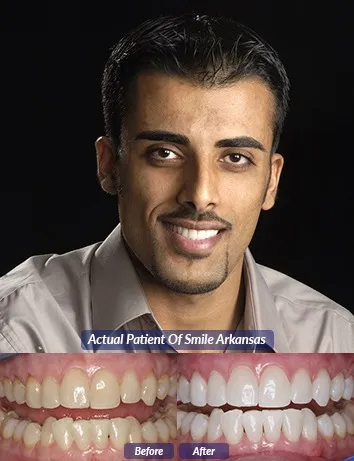
While teeth whitening is generally safe, it’s important to be aware of potential risks and side effects. The most common side effect is tooth sensitivity, which can occur during or after the treatment. This is usually temporary and subsides within a few days. Gum irritation is another possible side effect, especially if the bleaching agent comes into contact with the soft tissues. This can manifest as redness or inflammation. The severity of these side effects can vary depending on the type of whitening treatment and the individual’s tooth sensitivity. In rare cases, excessive or improper use of whitening products can lead to more serious issues. It is crucial to follow the instructions provided by your dentist or the product manufacturer to minimize risks. Always consult your dentist before undergoing any teeth whitening treatment to ensure it’s safe and appropriate for your specific needs.
Sensitivity
Tooth sensitivity is a common side effect of teeth whitening, often characterized by a sharp, temporary discomfort when consuming hot, cold, sweet, or acidic foods and drinks. This sensitivity occurs because the bleaching agents in whitening products can penetrate the enamel and reach the dentin, which contains nerve endings. The intensity of sensitivity can vary depending on the concentration of the bleaching agent, the duration of treatment, and the individual’s tooth sensitivity. It is usually temporary and resolves within a few days after the treatment. To manage sensitivity, your dentist may recommend using toothpaste designed for sensitive teeth, or suggest a fluoride treatment to strengthen the enamel. Avoiding extremely hot or cold foods and drinks during the treatment period can also help minimize discomfort. If sensitivity persists or worsens, it is important to consult your dentist for further guidance.
Gum Irritation
Gum irritation is another potential side effect of teeth whitening, often resulting from the bleaching agent coming into contact with the soft tissues of the mouth. This can cause redness, swelling, or a burning sensation in the gums. Gum irritation is more common with in-office whitening treatments, where higher concentrations of bleaching agents are used. Dentists take precautions to protect the gums during the procedure. However, even with careful application, some irritation may occur. Over-the-counter whitening products can also cause gum irritation if not used correctly. Proper application of the product and adherence to the instructions are essential to prevent irritation. If gum irritation occurs, it’s important to discontinue the use of the whitening product and consult with your dentist. They may recommend a soothing mouthwash or other treatments to alleviate the discomfort. Maintaining good oral hygiene during the treatment period is also crucial for preventing and managing gum irritation.
Alternatives to Teeth Whitening

If teeth whitening is not the best option for you, several alternatives can improve the appearance of your smile. The best alternative depends on the specific needs and goals of the individual. These alternatives may be considered if teeth whitening is ineffective or unsuitable due to specific dental conditions. Consulting with a dentist is essential to determine which alternative is the most appropriate for your specific situation. Various other cosmetic dental treatments can help you achieve a brighter and more aesthetically pleasing smile. These can address various issues, including tooth shape, alignment, and overall appearance.
Veneers
Dental veneers are thin, custom-made shells typically crafted from porcelain or composite resin, designed to cover the front surface of teeth. They are a popular cosmetic dental treatment that can address various aesthetic concerns, including discoloration, chips, cracks, gaps, and minor misalignments. Veneers offer a durable and natural-looking solution for enhancing the appearance of your smile. The procedure involves preparing the tooth surface by removing a small amount of enamel to accommodate the veneer. Veneers are then bonded to the teeth, creating a new, aesthetically pleasing surface. Porcelain veneers are highly resistant to staining and can provide a long-lasting, beautiful smile. This process can dramatically improve the overall look of the teeth. Veneers provide a reliable and effective method for achieving a brighter, more symmetrical smile.
Bonding
Dental bonding is a cosmetic dental procedure that involves applying a tooth-colored composite resin to the teeth to improve their appearance. The composite resin is sculpted to match the surrounding teeth and then hardened using a special light. Bonding is often used to repair chipped or cracked teeth, fill small gaps, and change the shape or size of teeth. It is a relatively quick and cost-effective alternative to more extensive treatments. The procedure is often completed in a single dental visit. The resin material is carefully matched to the natural shade of your teeth, providing a seamless and natural-looking result. While bonding is not as durable as veneers, it can be a good option for minor cosmetic issues. Bonding can significantly enhance the appearance of your smile, providing an immediate and noticeable improvement.
In conclusion, achieving a brighter, more confident smile through teeth whitening is within reach. Various methods, from at-home options to professional treatments, cater to different needs and preferences. Understanding the process, potential side effects, and maintenance requirements ensures a successful and satisfying outcome. Maintaining good oral hygiene, avoiding staining foods and drinks, and consulting with a dental professional are key to preserving your radiant smile. By exploring these options, you can confidently take the first step towards a brighter, more beautiful you.