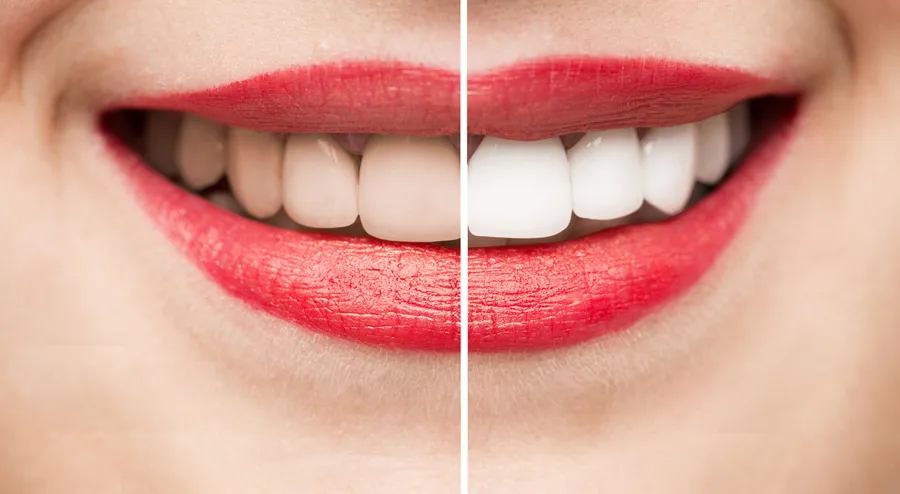
Understanding Teeth Whitening
Teeth whitening is a popular cosmetic dental procedure designed to lighten the shade of your teeth and improve your smile. It’s a safe and effective way to remove stains and discoloration caused by factors like aging, diet, and lifestyle choices. Many individuals seek teeth whitening treatments to boost their self-confidence and achieve a brighter, more youthful appearance. There are various methods available, ranging from over-the-counter products to professional treatments administered by a dentist. Understanding the different approaches, the science behind them, and the best practices is crucial to achieving optimal results and maintaining a healthy, dazzling smile.
The Science Behind Teeth Whitening
At the core of teeth whitening lies a chemical process that targets the stains embedded within the enamel and dentin of your teeth. The active ingredients in most whitening products are typically hydrogen peroxide or carbamide peroxide. These compounds break down into oxygen molecules, which then penetrate the enamel and react with the stain molecules. This reaction breaks down the stain molecules into smaller, less visible components, effectively lightening the overall color of the tooth. The concentration of the peroxide and the duration of exposure play key roles in the effectiveness of the treatment. Professional treatments often use higher concentrations for faster results, while at-home products use lower concentrations to ensure safety and ease of use. The effectiveness of teeth whitening can also be influenced by the type and severity of the stains, as well as the individual’s dental structure.
How Whitening Works

Teeth whitening treatments work by penetrating the enamel and dentin layers of the teeth to break down stain molecules. This process essentially bleaches the teeth, reducing the appearance of discoloration. The active ingredients, usually hydrogen peroxide or carbamide peroxide, release oxygen radicals that oxidize the stain molecules. The oxidized molecules become colorless or are more easily removed, resulting in a lighter tooth shade. The procedure can vary depending on the method. Professional whitening involves applying a high-concentration whitening agent to the teeth, often followed by the use of a special light to accelerate the process. At-home methods typically involve custom-fitted trays or strips containing a lower concentration of the whitening agent, used over a period of time. The key to success is consistent application and adherence to the instructions provided by the dentist or product manufacturer.
Top 5 Teeth Whitening Secrets
Achieving a brighter smile often feels like a quest. While there are numerous products and methods available, the most effective and safe approach combines professional guidance with consistent at-home care. These top 5 secrets will help you achieve and maintain a dazzling, white smile, and are all based on expert advice from dentists and cosmetic professionals. Implementing these tips into your daily routine will significantly enhance the results of any whitening treatment and keep your teeth looking their best for years to come. Remember, consistency and diligence are key to success when it comes to teeth whitening.
Secret 1 Consult a Dentist
Before embarking on any teeth whitening journey, the first and most crucial step is to consult a dentist. A dentist can assess your oral health, identify any underlying issues like cavities or gum disease, and determine if teeth whitening is a suitable option for you. They can also advise on the most appropriate whitening method based on your individual needs and the type of staining you have. Professional dental advice ensures the safety and effectiveness of the treatment, helping you avoid potential complications like tooth sensitivity or uneven results. Moreover, a dentist can provide professional cleanings to remove surface stains, maximizing the impact of the whitening treatment. Regular check-ups are vital for ongoing oral health, and professional guidance will help you navigate the options available, leading you toward a brighter, healthier smile.
Secret 2 Consider Professional Treatments

While at-home kits offer convenience, professional teeth whitening treatments deliver faster and more dramatic results. Dentists use higher concentrations of whitening agents, often in conjunction with special lights or lasers, to accelerate the bleaching process. In-office treatments can lighten your teeth several shades in a single session, providing immediate gratification and a significant boost in confidence. Professional treatments are also customized to your specific needs, ensuring even and consistent results. The dentist can address any sensitivity issues during the procedure and offer aftercare advice to maintain your enhanced smile. While the upfront cost is higher, the effectiveness and personalized care make professional whitening an excellent investment for a truly radiant smile. Furthermore, professional treatments include a comprehensive oral exam, making sure your teeth are healthy.
Secret 3 Use Whitening Toothpaste and Mouthwash
Whitening toothpaste and mouthwash can be valuable additions to your daily oral hygiene routine. These products contain mild abrasives or chemical agents that help remove surface stains, such as those caused by coffee, tea, and tobacco. While they don’t significantly alter the intrinsic color of your teeth like professional treatments, they contribute to maintaining a brighter smile. Regular use of whitening toothpaste can help prevent new stains from forming, while whitening mouthwash freshens breath and targets hard-to-reach areas. It’s important to choose products that are approved by dental professionals, and to use them as directed to avoid any potential side effects. When combined with other whitening methods, these products can enhance and extend the results, keeping your teeth looking their best. Remember, these are complementary, not stand-alone solutions; proper brushing and flossing remain essential.
Secret 4 Watch Your Diet
Your diet plays a significant role in the appearance of your teeth. Certain foods and drinks can stain your teeth, undoing the benefits of whitening treatments. Minimize your intake of dark-colored beverages like coffee, tea, red wine, and cola, which are notorious for causing discoloration. Be mindful of foods like berries, curries, and soy sauce, as they can also stain. After consuming staining foods or drinks, rinse your mouth with water or brush your teeth to reduce the impact. Focus on a diet rich in teeth-friendly foods, such as crunchy fruits and vegetables like apples and celery, which help clean your teeth naturally. A balanced diet, low in staining agents, can greatly assist in maintaining your white smile. By being mindful of what you consume, you can preserve your investment in teeth whitening.
Secret 5 Maintain Good Oral Hygiene

Consistent and thorough oral hygiene is fundamental to a bright, healthy smile. Brush your teeth at least twice a day for two minutes each time, using a fluoride toothpaste. Floss daily to remove plaque and food particles from between your teeth and along the gumline. Consider using an antibacterial mouthwash to further reduce bacteria and freshen your breath. Regular dental check-ups and professional cleanings are essential to remove plaque and tartar, which can contribute to staining and gum disease. Maintaining good oral hygiene is not only about aesthetics, but also about preventing more serious dental problems. A healthy mouth is crucial for maintaining a white and radiant smile. Combining good habits with professional advice is the winning formula.
Home vs Professional Whitening Which is Right for You
Deciding between home and professional teeth whitening depends on your individual needs, budget, and desired results. Home whitening kits, available over-the-counter or prescribed by your dentist, are generally more affordable and convenient. However, they contain lower concentrations of whitening agents, and the results may take longer to appear. Professional whitening, performed by a dentist, offers faster and more dramatic results. It is also the safest option, as a dentist can monitor your progress and address any sensitivity issues. If you are looking for a quick and significant improvement, professional whitening is the best choice. If you prefer a more gradual approach and are comfortable with a slightly less potent treatment, a home kit may be sufficient. Consulting your dentist is the best way to determine which method is best suited for your needs, considering factors such as the degree of staining, your oral health, and your lifestyle.
Benefits of Professional Whitening
Professional teeth whitening provides several key benefits. The primary advantage is the speed and effectiveness of the treatment. Dentists can use high-concentration whitening agents and specialized techniques to achieve dramatic results in a single visit. Professional whitening is also safer, as your dentist can monitor your teeth and gums for any adverse reactions, like increased sensitivity. Customization is another advantage, as the dentist can tailor the treatment to your specific needs and the type of staining you have. Professional whitening often lasts longer than at-home treatments, due to the stronger formulas and the dentist’s ability to remove surface stains. Furthermore, the process includes a comprehensive examination of your oral health. This ensures that any underlying issues, such as cavities or gum disease, are addressed before you begin the whitening process, which is essential for long-term oral health.
Drawbacks of At-Home Whitening

While at-home teeth whitening kits offer convenience and affordability, they have some limitations. The most significant drawback is that the results may be less dramatic and take longer to achieve than with professional treatments. The lower concentrations of whitening agents in over-the-counter products may not be effective for severe staining. There is also a higher risk of improper use or uneven results if you are not following the instructions carefully. Some individuals may experience tooth sensitivity or gum irritation, especially if the trays do not fit properly. Without the supervision of a dentist, it can be challenging to address these issues promptly. Although at-home whitening can be a good option for minor staining or maintenance, it may not be the best choice for those seeking significant improvements or who have sensitive teeth.
Maintaining Your White Smile
Once you have achieved your desired level of whiteness, it is essential to maintain your results. This involves a combination of good oral hygiene, regular dental check-ups, and lifestyle adjustments. Continue to brush your teeth twice a day and floss daily, using a whitening toothpaste to help remove surface stains. Avoid or minimize the consumption of staining foods and beverages, such as coffee, tea, red wine, and berries. If you do consume these items, rinse your mouth with water or brush your teeth afterward. Regular dental cleanings every six months will help remove any accumulated stains and keep your teeth looking bright. Consider using at-home touch-up treatments periodically to maintain the results of your whitening procedure. Consistency is key to preserving your white smile and enjoying its benefits for years to come.
Tips for Long-Lasting Results
To ensure your teeth whitening results last, several tips can help. First and foremost, maintain excellent oral hygiene by brushing twice a day, flossing daily, and using a fluoride mouthwash. Avoid or reduce your consumption of staining foods and beverages, such as coffee, tea, red wine, and dark-colored berries. If you consume these items, rinse your mouth or brush your teeth afterward. Regular dental check-ups and cleanings are essential to remove surface stains and monitor your oral health. Consider using at-home touch-up treatments as recommended by your dentist to maintain the brightness of your smile. Avoid tobacco products, as they can cause significant staining. Protecting your teeth from injury is also important; consider wearing a mouthguard during contact sports. By adopting these habits, you can extend the life of your teeth whitening and enjoy a vibrant smile for a long time.
Avoiding Common Mistakes

To maximize your teeth whitening experience, be aware of common mistakes to avoid. One of the most frequent errors is expecting unrealistic results. Teeth whitening can significantly improve your smile, but it cannot always achieve a perfect white. Another mistake is using whitening products improperly or excessively, which can lead to tooth sensitivity and gum irritation. Always follow the instructions provided by your dentist or the product manufacturer. Skipping regular dental check-ups can be a problem, as underlying issues may go unnoticed. Neglecting your diet and continuing to consume excessive amounts of staining foods and beverages will diminish your results. Avoid using whitening products without consulting your dentist, as this can lead to complications. Lastly, remember that teeth whitening is not a one-time fix. Maintaining a bright smile requires consistent effort and proper care.