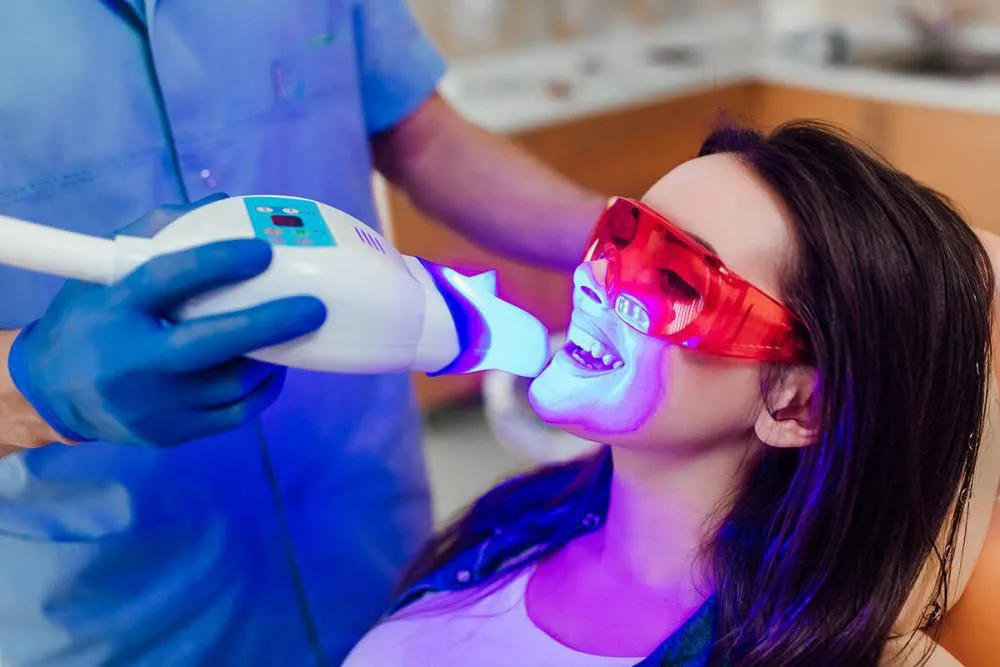
What Causes Sensitive Teeth After Whitening?
Teeth whitening, while a popular cosmetic procedure, can sometimes lead to a temporary increase in tooth sensitivity. This sensitivity arises from the whitening agents, typically hydrogen peroxide or carbamide peroxide, used to lift stains and brighten the enamel. These chemicals penetrate the enamel and reach the dentin, the layer beneath that contains microscopic tubules. These tubules connect to the tooth’s nerve, and when exposed to the whitening agent, they can cause irritation and increased sensitivity. This process isn’t usually permanent, and the sensitivity typically subsides within a few days or weeks after the whitening treatment. However, understanding the underlying causes is crucial for managing and mitigating this common side effect.
The Science Behind Teeth Sensitivity
Tooth sensitivity is a complex phenomenon tied closely to the anatomy of the tooth. The outer layer, the enamel, is the hardest substance in the human body and protects the inner layers. Beneath the enamel lies the dentin, which contains thousands of tiny tubules. These tubules house fluid-filled channels that lead to the tooth’s pulp, where the nerves and blood vessels reside. When the enamel is thinned or compromised, or when the tubules are exposed, external stimuli such as hot, cold, acidic, or sweet substances can stimulate the nerves in the pulp, leading to the sensation of sensitivity. Whitening agents work by penetrating the enamel, and this can temporarily make the tubules more susceptible to these stimuli, leading to heightened sensitivity. This is a normal reaction for some individuals.
How Whitening Affects Tooth Enamel

The primary aim of teeth whitening treatments is to lighten the discoloration and stains that accumulate on the surface and within the enamel of the teeth. Whitening agents, such as hydrogen peroxide, achieve this by a chemical process that breaks down the stain molecules. While effective, this process can have some impact on the enamel. The whitening agents can temporarily dehydrate the enamel and make it more porous. This increased porosity can make the teeth more susceptible to sensitivity because it allows external stimuli to more easily reach the dentin tubules. Furthermore, some individuals may experience mild enamel erosion with repeated or aggressive whitening treatments, but this is uncommon when treatments are used as directed and with proper dental supervision.
Top 5 Tips to Manage Sensitive Teeth After Whitening
Experiencing sensitivity after teeth whitening is common, but there are several steps you can take to minimize discomfort and promote faster recovery. These tips focus on making adjustments to your oral hygiene routine, dietary choices, and other habits to help soothe your teeth and alleviate sensitivity. Implementing these strategies can significantly enhance your comfort during and after the whitening process, allowing you to enjoy the benefits of a brighter smile with minimal hassle. Consistency is key, and these tips are most effective when followed diligently.
Use Sensitivity Toothpaste
Sensitivity toothpastes contain ingredients such as potassium nitrate or stannous fluoride, which help to block the tubules in the dentin, reducing the transmission of stimuli to the nerve. These toothpastes can provide significant relief by forming a protective layer over the exposed dentin, minimizing sensitivity. It’s important to start using sensitivity toothpaste a couple of weeks before your whitening treatment to build up a protective barrier. Continue using the toothpaste throughout and after the whitening process for optimal results. Using sensitivity toothpaste regularly can help to desensitize your teeth and reduce any discomfort associated with the whitening procedure. Choosing the right toothpaste and using it consistently can make a significant difference in managing your sensitivity.
Gentle Brushing Technique

After teeth whitening, it’s crucial to be extra gentle with your teeth to avoid further irritation. Use a soft-bristled toothbrush and brush with gentle, circular motions, applying minimal pressure. Aggressive brushing can erode the enamel and dentin, exacerbating sensitivity. Avoid scrubbing your teeth, which can worsen the problem. This technique ensures that you’re effectively cleaning your teeth without causing unnecessary damage. Be careful with your toothbrush and use a light touch, focusing on cleaning each tooth surface thoroughly without applying excessive force. Consider using an electric toothbrush with a pressure sensor, which alerts you if you’re brushing too hard. This can further assist in maintaining a gentle approach.
Avoid Acidic Foods and Drinks
Acidic foods and drinks can worsen tooth sensitivity by eroding the enamel and exposing the dentin tubules. Common culprits include citrus fruits, tomatoes, vinegar, soda, and fruit juices. It’s best to avoid or minimize the consumption of these items, particularly immediately after a whitening treatment. If you do consume acidic foods or drinks, rinse your mouth with water afterward to help neutralize the acids. Waiting at least 30 minutes before brushing your teeth after consuming acidic substances is also a good practice, as brushing immediately can spread the acid around your teeth. Prioritizing a diet rich in tooth-friendly foods and minimizing acidic intake can contribute to reducing sensitivity and promoting better oral health. Making these dietary adjustments can significantly impact your overall comfort and recovery.
Use Fluoride Treatments
Fluoride strengthens tooth enamel and helps to protect against sensitivity by remineralizing the teeth. You can get fluoride treatments from your dentist, in the form of a prescription toothpaste, or by using a fluoride mouthwash. These treatments help fortify the enamel, making your teeth more resistant to external stimuli. Fluoride works by incorporating itself into the enamel structure, making it harder and more resistant to acid attacks. This process can help to reduce sensitivity and protect your teeth from decay. Regular use of fluoride products can be especially beneficial after teeth whitening to support enamel health and reduce the likelihood of experiencing sensitivity. Consult with your dentist to find the best fluoride treatment plan for your specific needs and oral health conditions.
Consider Professional Treatments
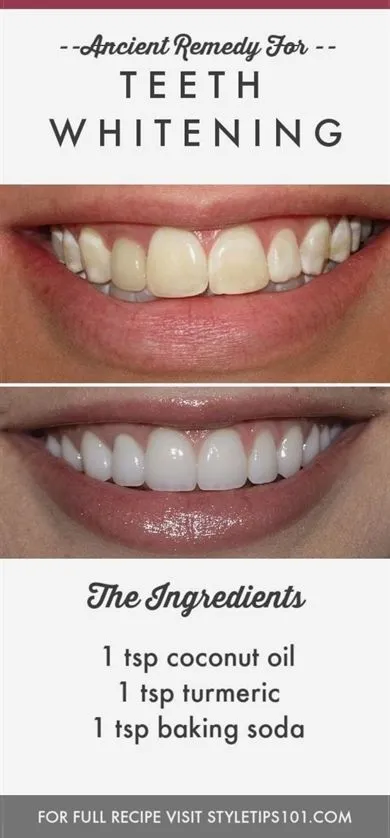
If home remedies aren’t providing enough relief, consult your dentist for professional treatments. Dentists can apply desensitizing agents such as fluoride varnish, which creates a protective barrier over the exposed dentin and provides immediate relief. They may also recommend in-office treatments designed to strengthen enamel and reduce sensitivity. Your dentist can assess the severity of your sensitivity and recommend the most appropriate treatment plan based on your individual needs. Professional interventions can provide faster and more effective relief compared to over-the-counter remedies. Regular dental check-ups are also crucial for monitoring your oral health and ensuring that any underlying issues are addressed promptly, contributing to the long-term health and comfort of your teeth.
Choosing the Right Teeth Whitening Method
Choosing the right teeth whitening method is key to achieving a brighter smile while minimizing sensitivity. Several factors influence this decision, including your budget, the extent of discoloration, and your sensitivity levels. Understanding the options available allows you to make an informed choice that balances effectiveness and comfort. Consulting with your dentist before starting any whitening treatment is essential for evaluating your oral health and getting personalized recommendations. This proactive step can help ensure that the whitening procedure is safe and suitable for your specific needs. Your dentist can assess your teeth and gums, identifying any potential issues and advising you on the most appropriate whitening approach to minimize any adverse effects.
Professional Whitening vs. At-Home Kits
Professional teeth whitening, performed by a dentist, typically uses higher concentrations of whitening agents, resulting in faster and more dramatic results. Although this method can lead to greater sensitivity, dentists can take measures to minimize discomfort, such as applying desensitizing agents before and after the procedure. They also have the expertise to monitor your teeth and gums throughout the process, making it a safer option for those with pre-existing sensitivity. At-home whitening kits, available over-the-counter or through your dentist, usually contain lower concentrations of whitening agents and may be a more suitable choice if you have sensitive teeth. These kits often include custom-fitted trays or strips that you wear for a specified amount of time each day. While they are generally less likely to cause significant sensitivity than professional treatments, they may take longer to produce noticeable results.
Ingredients to Look for and Avoid

When selecting teeth whitening products, pay close attention to the ingredients. Look for products that contain fluoride to strengthen enamel and reduce sensitivity. Also, consider products with lower concentrations of hydrogen peroxide or carbamide peroxide, the main whitening agents. These lower concentrations are often gentler on sensitive teeth and can still deliver effective results over time. Avoid products that contain harsh abrasives, which can erode the enamel and increase sensitivity. Always follow the product’s instructions carefully and consult your dentist before using any whitening product, especially if you have a history of sensitive teeth. Being mindful of the ingredients and their potential effects on your teeth is critical to a comfortable and successful teeth whitening experience.
When to See a Dentist
While mild sensitivity after teeth whitening is common, it’s essential to know when to seek professional dental care. If your sensitivity is severe, persistent, or accompanied by other symptoms, such as pain, bleeding gums, or changes in your bite, you should consult your dentist. Persistent pain that interferes with eating or drinking is a significant indicator that you need professional attention. Your dentist can perform a thorough examination to identify the underlying cause of the sensitivity and recommend appropriate treatment options. Ignoring these symptoms can potentially lead to more serious dental issues, so it’s important to act promptly. Regular dental check-ups are essential, as they enable your dentist to monitor your oral health and address any concerns early on.
Signs You Need Professional Help
Several signs indicate you should see a dentist for teeth sensitivity after whitening. Severe pain, which is often described as sharp, throbbing, or constant, is a clear indication that professional help is required. If the sensitivity lasts for more than a few weeks, it may be a sign of a more significant underlying problem. Additionally, if you experience bleeding gums, changes in your bite, or visible damage to your teeth, it’s crucial to seek immediate dental care. Your dentist can diagnose the cause of your sensitivity and recommend specific treatments. Addressing these concerns promptly can prevent further complications. They may also recommend different whitening methods or treatments to reduce sensitivity. It is always best to consult a dental professional for any concerns to ensure optimal oral health.
Long-Term Care for Sensitive Teeth

Long-term care for sensitive teeth involves maintaining good oral hygiene practices and making dietary adjustments to minimize discomfort and protect your teeth. Continue using a sensitivity toothpaste and brush gently with a soft-bristled toothbrush. Avoid or minimize the consumption of acidic foods and drinks, and rinse your mouth with water after consuming them. Regular dental check-ups and professional cleanings are essential for monitoring your oral health and identifying any potential problems early on. Your dentist may also recommend fluoride treatments or other preventive measures to strengthen your enamel and reduce sensitivity. Consistent care ensures that your teeth remain healthy and that you can continue enjoying a bright, comfortable smile for years to come. Prioritizing these long-term strategies can help you manage sensitivity effectively and maintain overall dental health.