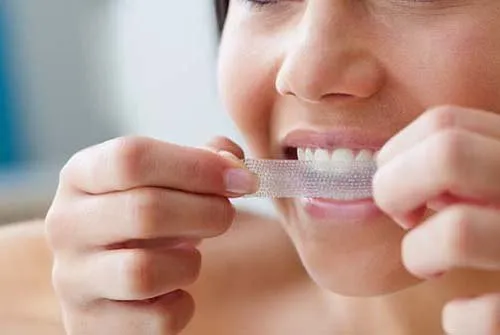
The Truth About Brushing After Whitening Strips
Achieving a brighter, whiter smile is a common goal, and teeth whitening strips have become a popular and accessible method. However, the effectiveness of these strips can be significantly impacted by your oral hygiene routine, specifically when and how you brush your teeth. One of the most frequently asked questions is whether it’s safe or advisable to brush immediately after using whitening strips. The short answer is generally no, but understanding the reasons behind this recommendation is crucial for maximizing the benefits of your whitening treatment and protecting your oral health. This article dives into the nuances of brushing after whitening strips, providing you with the information you need to maintain a healthy and radiant smile.
Why You Shouldn’t Brush Immediately After
Brushing your teeth right after applying whitening strips can do more harm than good. The active ingredients in these strips, often hydrogen peroxide or carbamide peroxide, work by penetrating the enamel to break down stain-causing molecules. When you brush immediately afterward, you risk disrupting this process and potentially causing damage. Several factors contribute to why you should avoid brushing your teeth right after using whitening strips, with the primary concerns being increased sensitivity and the erosion of enamel.
Increased Sensitivity

Teeth whitening strips can temporarily make your teeth more sensitive. The whitening agents can open up the pores in your enamel, making the underlying dentin more susceptible to stimuli like hot or cold temperatures. Brushing immediately after can exacerbate this sensitivity. The abrasive action of your toothbrush, combined with the chemicals from your toothpaste, can further irritate the teeth and gums. This heightened sensitivity can lead to discomfort and make it difficult to enjoy your regular meals and beverages.
Erosion of Enamel
Your tooth enamel is the protective outer layer of your teeth. Brushing too soon after using whitening strips can contribute to enamel erosion. When the enamel is softened by the whitening agents, it becomes more vulnerable to abrasion. The bristles of your toothbrush and the abrasive particles in your toothpaste can wear away the enamel more quickly than usual. This erosion not only increases sensitivity but also makes your teeth more susceptible to cavities and discoloration. Preserving your enamel is essential for maintaining good oral health and a beautiful smile.
The Optimal Time to Brush
So, if you shouldn’t brush immediately after, when is the right time? Timing is key when it comes to maximizing the effectiveness of your whitening strips while protecting your teeth. Understanding the recommended waiting period and the rationale behind it is crucial for proper oral hygiene. Generally, it’s recommended to wait for a specific period before brushing your teeth after using whitening strips. This waiting period allows the whitening agents to work effectively without interference. The optimal time to brush your teeth will provide the best results and reduce any potential harm.
Waiting Period Explained

The waiting period allows the whitening agents to fully penetrate the enamel and do their job of breaking down stain molecules. It also gives your enamel time to re-mineralize and return to its normal state. Brushing too soon disrupts this process. During the waiting period, your teeth are more susceptible to damage, so it’s essential to avoid any unnecessary abrasives or irritants. You should also avoid consuming highly acidic foods or drinks that can further weaken your enamel. Following the recommended waiting period ensures that you’re not only getting the best results from your whitening strips but also protecting your teeth.
Recommended Timeframe
Most dental professionals recommend waiting at least 30 minutes to an hour after using whitening strips before brushing your teeth. Some brands may provide specific instructions, so always refer to the product’s guidelines. This timeframe allows the whitening agents to work without interference and gives your enamel time to recover. If you have particularly sensitive teeth, you might consider waiting even longer. Following this recommended timeframe is a small step that can make a big difference in both the effectiveness of the whitening treatment and the long-term health of your teeth.
Pre-Whitening Strip Brushing
While you should avoid brushing immediately after using whitening strips, brushing before applying them is often beneficial. Brushing before the application can prepare your teeth, making the whitening treatment more effective. Understanding the reasons behind brushing before using whitening strips will help you optimize your oral hygiene routine and achieve the best possible results. This practice can enhance the whitening process and contribute to better overall oral health.
Why You Should Brush Before

Brushing your teeth before applying whitening strips serves several important purposes. Firstly, it removes plaque and debris from your teeth, creating a cleaner surface for the whitening agents to act upon. Secondly, brushing can help to slightly open the pores in your enamel, allowing the whitening agents to penetrate more effectively. Brushing beforehand is an essential part of maximizing the whitening strip’s performance. It is a simple step that can significantly improve the outcome of your whitening treatment.
Removing Plaque and Debris
Plaque and food particles can act as a barrier, preventing the whitening agents from directly contacting the enamel. By brushing beforehand, you clear away these obstacles, ensuring that the strips can effectively reach the teeth and break down stains. A clean surface is essential for the whitening process, and brushing is the first step in achieving that. Removing plaque and debris creates the ideal conditions for the whitening agents to work their magic, leading to better results and a brighter smile. Making sure you do this will increase the likelihood that you’ll find success in your whitening strategy.
Enhancing Whitening Effectiveness
Brushing your teeth before applying whitening strips can enhance their effectiveness. It slightly roughens the enamel surface, which allows the whitening agents to penetrate more easily. This is similar to the way professional whitening treatments work, where the dentist might use a special solution to prepare the teeth for the whitening process. By brushing before, you are helping to maximize the contact between the whitening agents and your teeth, resulting in a more effective and noticeable whitening effect. This means that you’ll get the most out of each treatment, saving you time and money in the long run.
Potential Issues and Solutions

Even with the best intentions, mistakes can happen. It is possible to brush your teeth at the wrong time, or experience other issues. This section offers guidance on what to do if you accidentally brushed after using whitening strips and how to avoid over-brushing to prevent potential problems. Understanding these scenarios can help you adjust your oral hygiene routine and protect your teeth and ensure that you are still getting the desired outcome.
If You Accidentally Brushed
If you accidentally brushed your teeth immediately after using whitening strips, don’t panic. The damage is usually minimal, especially if it was a single occurrence. The key is to take immediate action to mitigate any potential harm. Several steps you can take can help to minimize the impact and protect your teeth. Being informed is important, so you can deal with these situations appropriately.
What to Do
If you accidentally brushed, rinse your mouth thoroughly with water to remove any residual toothpaste. Then, you should consider using a fluoride mouthwash to help remineralize your enamel. Avoid using any harsh or abrasive toothpastes for the next few days. Monitor your teeth for increased sensitivity, and if it persists, consult your dentist. Remember, a one-time mistake is usually not a cause for major concern, but it’s important to learn from the experience and adjust your routine accordingly. If any pain persists for a longer period, make sure to schedule a check up with your dentist.
Signs of Over-Brushing

Over-brushing can lead to various problems that can compromise your oral health. Recognizing the signs of over-brushing allows you to take corrective measures and prevent further damage. Being aware of these indicators is the first step in preserving your teeth and gums. Over-brushing can manifest in several ways, and understanding these signs is key to maintaining a healthy smile. Paying attention to the physical changes in your mouth can help you identify and address over-brushing before it leads to more serious issues. You can prevent this by understanding what to look for.
How to Avoid Over-Brushing
To avoid over-brushing, use a soft-bristled toothbrush and brush gently with a circular motion. Avoid applying excessive pressure. Make sure to brush your teeth for the recommended two minutes, using a timer if necessary. Replace your toothbrush every three months or sooner if the bristles become frayed. Choose a toothpaste with a low abrasivity index. Furthermore, be mindful of your brushing habits and avoid brushing too vigorously. If you have any concerns about your technique, consult your dentist or dental hygienist, who can provide personalized guidance. These are the steps you can take to ensure the longevity and quality of your dental health.
Maintaining Your White Smile
Once you have achieved a whiter smile, it’s important to maintain it. The key to a long-lasting, bright smile involves a comprehensive approach that includes dietary considerations, an effective oral hygiene routine, and regular dental checkups. By understanding and implementing these practices, you can enjoy your beautiful, white teeth for years to come. A consistent commitment to maintaining your white smile can help prevent the need for frequent whitening treatments. These steps, taken together, will create the best possible results.
Dietary Considerations

Certain foods and beverages can stain your teeth and diminish the effects of whitening treatments. To maintain your white smile, limit your consumption of stain-causing items such as coffee, tea, red wine, and dark-colored berries. If you do consume these items, brush your teeth afterward or rinse your mouth with water. Also, it is important to avoid smoking or using other tobacco products, as they can significantly discolor your teeth. Making mindful choices about what you eat and drink can go a long way in preserving your bright smile. Your overall health is also impacted by the decisions you make in your daily life.
Oral Hygiene Routine
A consistent oral hygiene routine is essential for maintaining your white smile. Brush your teeth twice a day for two minutes each time, using a soft-bristled toothbrush and fluoride toothpaste. Floss daily to remove plaque and debris from between your teeth, where your toothbrush cannot reach. Consider using an alcohol-free mouthwash to further cleanse your mouth and freshen your breath. Following a consistent oral hygiene routine helps remove surface stains and prevent new ones from forming, keeping your teeth looking their best.
Regular Dental Checkups
Regular dental checkups and professional cleanings are crucial for maintaining your white smile. Your dentist can remove any stubborn stains that may not be removed by brushing or flossing alone. They can also assess the overall health of your teeth and gums and identify any potential issues early on. During these visits, your dentist may also recommend professional whitening treatments or touch-ups to maintain your desired level of whiteness. Schedule regular appointments with your dentist every six months to ensure optimal oral health. Your dentist will make sure to maintain the health and quality of your teeth.