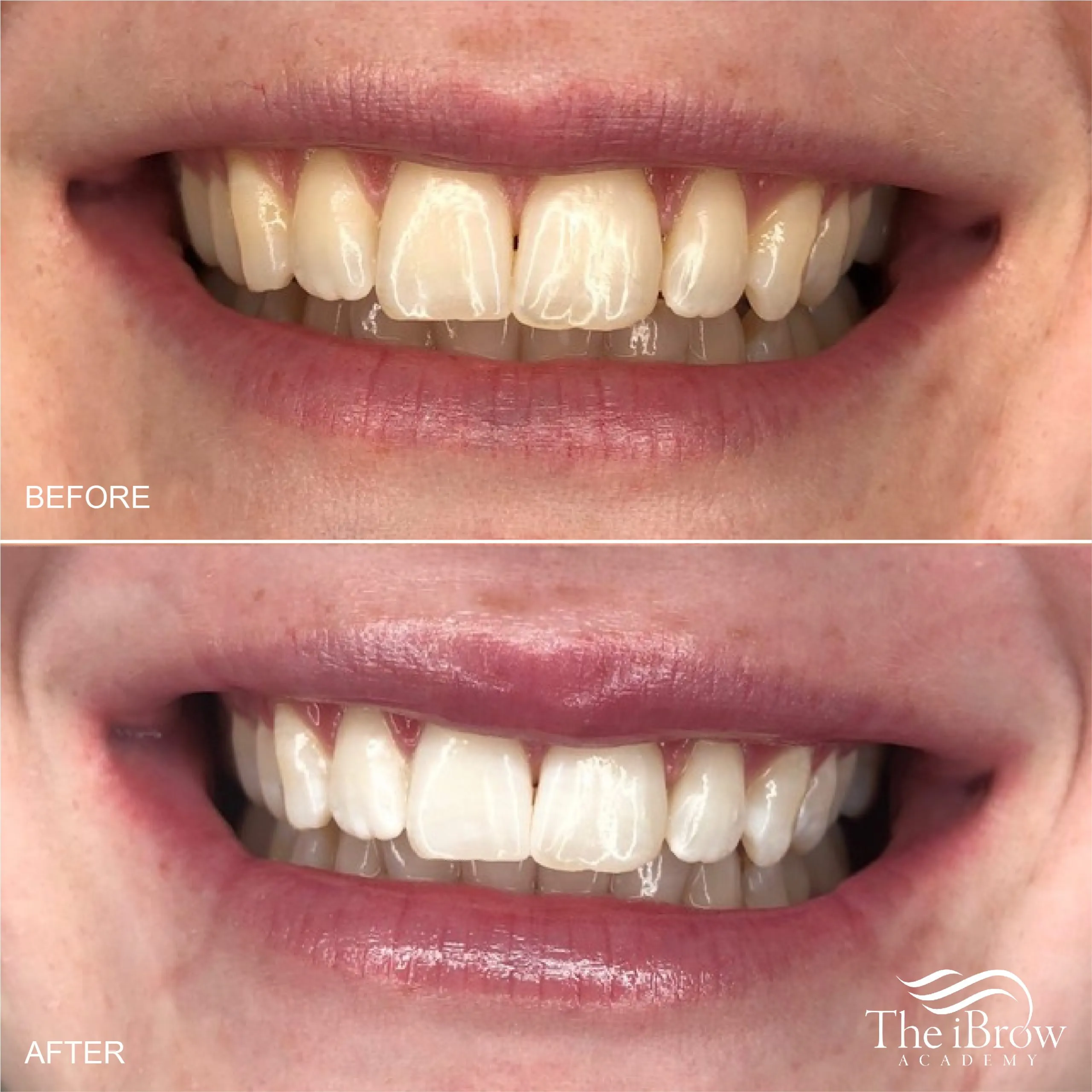
Understanding Teeth Whitening
Teeth whitening has become a popular cosmetic procedure, sought after by individuals aiming to enhance the brightness and overall appearance of their smiles. It involves various methods designed to lighten the shade of teeth, addressing discoloration caused by factors such as aging, genetics, diet, and lifestyle choices. Understanding the fundamentals of teeth whitening is crucial before embarking on any treatment. This knowledge empowers individuals to make informed decisions, ensuring the selected method aligns with their specific needs and oral health conditions. Moreover, it helps set realistic expectations regarding the outcome, enabling a satisfying experience and a brighter, more confident smile. From professional treatments administered by dentists to over-the-counter products available at pharmacies, the world of teeth whitening offers numerous options each with its own set of advantages, disadvantages, and suitability for different individuals. Proper understanding is important to choose the best option.
How Teeth Whitening Works
At its core, teeth whitening operates by utilizing chemical agents, typically hydrogen peroxide or carbamide peroxide, to break down the stains and discoloration embedded within the enamel of the teeth. These whitening agents penetrate the enamel, the outermost layer of the tooth, and react with the stain molecules. This process effectively breaks the bonds that hold the stain molecules together, leading to a lightening effect. The concentration of the whitening agent and the duration of its contact with the teeth play critical roles in the outcome. Professional treatments often employ higher concentrations, resulting in quicker and more significant results compared to over-the-counter products. Various delivery methods, such as custom-fitted trays, strips, or professional application, enhance the effectiveness of the whitening agents by ensuring optimal contact with the tooth surfaces. The success of whitening is also affected by the type of stain, with extrinsic stains (those on the surface) often responding better than intrinsic stains (those within the tooth structure).
Types of Teeth Whitening

Teeth whitening comes in various forms, each with its own unique characteristics and approaches. Professional teeth whitening, conducted by dentists, offers the most potent and controlled methods, often using high-concentration bleaching agents and specialized equipment to achieve dramatic results in a single visit. At-home whitening kits, provided by dentists or available over-the-counter, offer a more convenient and cost-effective alternative, typically involving custom-fitted trays or pre-filled strips containing lower concentrations of whitening agents. Other options include whitening toothpastes, which remove surface stains through abrasive action, and whitening strips, which apply a thin layer of whitening agent directly to the teeth. Each type of whitening has its specific advantages, ranging from the immediate impact of professional treatments to the convenience of at-home methods. The choice of which method to use depends on individual preferences, the severity of the discoloration, and budget considerations. Consultation with a dentist is recommended to determine the most suitable approach.
Professional Teeth Whitening Options
Professional teeth whitening offers the most effective and controlled means of achieving a brighter smile. Performed by qualified dentists, these procedures utilize powerful bleaching agents and advanced techniques to deliver dramatic results in a safe and supervised environment. The benefits of professional teeth whitening extend beyond mere aesthetics, often boosting the patient’s confidence and overall well-being. However, it is crucial to consider the different methods of professional teeth whitening, as each has its own approach, level of intensity, and suitability for particular needs. This section will delve into the details of professional teeth whitening, clarifying the available options to enable individuals to make informed choices about their teeth whitening journey. Understanding the process, expected results, and potential considerations will allow you to move forward with confidence.
In-Office Whitening Procedures
In-office teeth whitening is a quick and highly effective method, typically completed in a single dental appointment. The process begins with the dentist protecting the gums and soft tissues with a protective barrier to prevent irritation from the bleaching agent. Then, a high-concentration hydrogen peroxide-based whitening gel is applied to the teeth. Often, a special light or laser is used to accelerate the whitening process, enhancing its effectiveness. This procedure usually takes about an hour, and patients can experience a significant improvement in the shade of their teeth. The results are immediate and can last for several months, depending on lifestyle factors like diet and oral hygiene. In-office whitening is ideal for those seeking rapid results and are willing to invest in a professional treatment for a brighter, more radiant smile. Regular dental checkups, including professional cleanings, are vital to prolong and maintain the results.
Take-Home Whitening Kits

Take-home whitening kits, often provided by dentists, offer a convenient and more gradual approach to teeth whitening. These kits typically include custom-fitted trays that the patient fills with a lower concentration of whitening gel and wears for a specified period, typically a few hours a day or overnight, over several weeks. These kits offer a balance between effectiveness and convenience, allowing patients to whiten their teeth in the comfort of their homes. The process is more gradual than in-office treatments, providing more control over the whitening process. Dentists often monitor the progress, making adjustments to the treatment as needed. These kits are a popular choice for those looking for a cost-effective and flexible option to improve their smile. It’s crucial to follow the dentist’s instructions carefully to ensure safety and achieve the best results. Consistent use and good oral hygiene are key to maintaining the achieved whiteness and enjoying a brighter smile.
Whitening Methods Benefits and Risks
Teeth whitening methods offer several benefits, most notably an enhanced smile and increased confidence. However, it is important to understand both the benefits and risks associated with these procedures. Professional teeth whitening can provide the most dramatic and immediate results, supervised by dental professionals. At-home kits offer convenience and cost-effectiveness, allowing for gradual improvement. However, potential risks include tooth sensitivity and gum irritation, which are usually temporary. Some individuals may experience uneven whitening or may not achieve the desired results due to intrinsic stains. Understanding these benefits and risks will help you make an informed decision, and consulting with a dentist is crucial to determine the most suitable whitening option based on individual oral health and needs. This can help ensure the best possible results while minimizing potential side effects.
At-Home Teeth Whitening Strategies
At-home teeth whitening strategies offer a range of convenient and accessible options for improving the brightness of your smile. From over-the-counter products readily available at drugstores to simple homemade remedies, various methods allow you to take control of your teeth whitening journey from the comfort of your home. However, it is important to approach at-home whitening with caution. It is also important to consider the effectiveness and safety of these methods. Being informed about the different options available empowers you to make informed decisions and choose the approach that best suits your needs. Always prioritize your oral health and consult with a dentist to determine the most appropriate method for your situation. This section will explore various at-home strategies, giving you the knowledge to embark on your journey to a brighter smile.
Over-the-Counter Products

Over-the-counter teeth whitening products are a convenient and readily available option for those looking to enhance their smile at home. These products include whitening toothpastes, strips, and gels. Whitening toothpastes typically contain mild abrasives and chemicals to remove surface stains, leading to a slight improvement in brightness. Whitening strips are a popular choice, applying a thin layer of hydrogen peroxide to the teeth, offering noticeable whitening over a period of weeks. Whitening gels come with trays, often pre-filled, and deliver whitening agents for a more targeted approach. When using these products, always follow the manufacturer’s instructions to minimize the risk of side effects such as tooth sensitivity or gum irritation. It is also important to manage your expectations, as OTC products typically provide less dramatic results compared to professional treatments. Regular dental checkups are also recommended to ensure overall oral health and to address any potential concerns related to these products.
Homemade Whitening Remedies
Homemade teeth whitening remedies, such as baking soda and hydrogen peroxide mixtures, have gained popularity as a cost-effective approach to achieving a brighter smile. While these remedies might offer some initial benefits, it’s essential to approach them with caution. Baking soda acts as a mild abrasive, which helps remove surface stains. Hydrogen peroxide acts as a mild bleaching agent. Some people also use activated charcoal to remove stains. However, the effectiveness of these methods varies, and there are potential risks. Excessive use of abrasive substances can damage enamel over time, leading to increased sensitivity. The American Dental Association does not recommend these methods. Always consult with a dentist before using any homemade remedies to ensure they are safe for your teeth and gums. Regular dental checkups remain the most reliable way to maintain oral health and explore professional whitening options.
Tips for a Bright Smile
Achieving and maintaining a bright smile requires more than just teeth whitening. It involves adopting comprehensive oral hygiene practices and making mindful lifestyle choices. This includes consistent brushing, flossing, and regular dental checkups. Beyond these fundamentals, there are several additional tips that can contribute to a radiant smile. This section will explore these essential tips, giving you the knowledge and tools to brighten your smile. Integrating these practices into your daily routine will help you maintain and enjoy a brighter, more confident smile for years to come. Remember, a bright smile is a reflection of good oral health and overall well-being.
Maintaining White Teeth

Maintaining the results of teeth whitening requires a consistent commitment to good oral hygiene practices and mindful lifestyle choices. Regular brushing and flossing are crucial for removing plaque and food particles that can contribute to staining. Using a fluoride toothpaste helps strengthen enamel and protect against future discoloration. Regular dental checkups and professional cleanings are essential for removing stubborn stains and tartar that can dim the brightness of your smile. Avoid smoking or using tobacco products, which are major contributors to teeth staining. These steps will help to preserve and prolong the effects of your teeth whitening treatments. Implementing these practices will help you maintain a healthy, radiant smile for years to come. Consistent care is key.
Foods and Drinks to Avoid
Certain foods and drinks can significantly impact the brightness of your teeth, leading to discoloration and staining over time. Limiting or avoiding these items can help maintain a brighter smile. Beverages such as coffee, tea, and red wine are notorious for staining teeth due to their dark pigments. Foods like berries, soy sauce, and tomato-based sauces can also contribute to staining. Smoking and the use of tobacco products are major contributors to teeth discoloration. Consuming these foods and drinks in moderation or using a straw can help minimize contact with teeth. Brushing your teeth after consuming these items can also help prevent stains. Making informed choices about your diet and lifestyle habits is essential for preserving the results of teeth whitening and maintaining a bright, healthy smile. Regular dental checkups can help monitor for staining and provide advice on how to mitigate its effects.
Regular Dental Checkups
Regular dental checkups are vital for maintaining overall oral health and play a crucial role in the long-term maintenance of a bright smile. During these checkups, dentists can assess your teeth for any signs of decay, gum disease, or other oral health issues. Professional cleanings can remove plaque and tartar, which can contribute to staining and dull the appearance of teeth. Dentists can also provide personalized advice on proper oral hygiene techniques and recommend appropriate whitening options. Regular checkups enable early detection and treatment of any problems, ensuring a healthier and more radiant smile. Following the dentist’s recommendations and maintaining a consistent oral care routine are key to preserving the results of any teeth whitening treatments and maintaining a bright, confident smile. Schedule regular visits for optimal dental health.