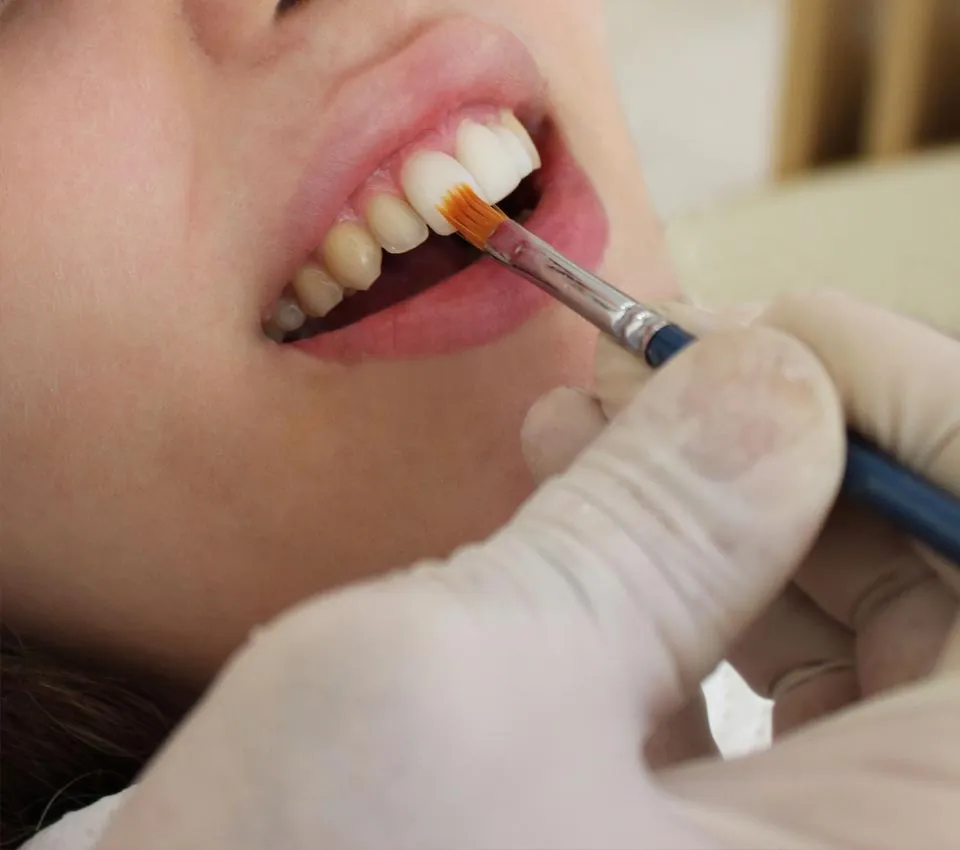
What Are Teeth Whitening Veneers
Teeth whitening veneers are a popular cosmetic dentistry solution designed to dramatically improve the appearance of your smile. These custom-made shells are crafted from either porcelain or composite materials and are meticulously bonded to the front surface of your teeth. Unlike traditional teeth whitening methods that only address surface stains, veneers offer a comprehensive approach by correcting various aesthetic imperfections. This includes not only discoloration but also issues such as chips, cracks, gaps, and minor misalignments. The primary goal of teeth whitening veneers is to create a brighter, more uniform, and aesthetically pleasing smile that enhances your overall confidence and self-esteem.
Types of Teeth Whitening Veneers
There are primarily two types of veneers used in cosmetic dentistry porcelain and composite veneers. Each type offers its own set of advantages and considerations, influencing your choice based on your specific needs and preferences. Understanding the differences between them is crucial for making an informed decision and achieving the best possible results for your smile transformation. Your dentist will help you to choose the best for you.
Porcelain Veneers

Porcelain veneers are renowned for their superior aesthetic qualities and durability. They are crafted from high-quality porcelain materials that closely mimic the appearance of natural teeth. Porcelain veneers are highly resistant to stains and can effectively correct severe discoloration. The process typically involves multiple visits to the dentist, including tooth preparation, impression taking, and the final bonding of the veneers. Because of the materials and the process, porcelain veneers are generally more expensive than composite veneers, but they offer a longer lifespan and a more natural look.
Composite Veneers
Composite veneers, also known as direct veneers, are made from a composite resin material. They are a more affordable option compared to porcelain veneers and can often be completed in a single dental visit. The dentist sculpts and bonds the composite resin directly onto the tooth surface, which allows for immediate results. While composite veneers can effectively improve the appearance of your smile, they are generally less durable and more prone to staining compared to porcelain veneers. They may also require more frequent maintenance and touch-ups to maintain their appearance.
The Teeth Whitening Veneers Procedure
The process of getting teeth whitening veneers typically involves several steps, starting with a thorough consultation and planning phase. The following steps outline the general procedure, it’s important to know that your dentist will personalize this process to meet your specific needs. The process will take a few weeks and multiple visits to the dentist’s office.
Consultation and Planning

The first step is a detailed consultation with your dentist. During this appointment, your dentist will evaluate your oral health, discuss your aesthetic goals, and determine if veneers are the right solution for you. This includes taking X-rays, examining your teeth and gums, and sometimes, creating a wax-up model of your teeth to show you the potential results. Your dentist will address any existing dental issues, such as cavities or gum disease, before proceeding. This initial step is critical for setting expectations and ensuring a successful outcome.
Preparation of the Teeth
Once you’ve decided to proceed with veneers, the dentist will prepare your teeth. This typically involves removing a thin layer of enamel from the front surface of your teeth to make room for the veneers. The amount of enamel removed is minimal, usually around 0.5 to 1 millimeter. After the teeth are prepared, the dentist will take impressions or digital scans of your teeth, which will be used to create custom veneers in a dental lab. The lab will then create the veneers to precisely fit your teeth and match your desired shade and shape.
Application of Veneers
The final step is the application of the veneers. Your dentist will first temporarily place the veneers on your teeth to check their fit and appearance. Once satisfied, the teeth are cleaned and polished. The dentist then uses a special adhesive to bond the veneers to your teeth, and they’re carefully positioned and adjusted for a perfect fit. After that, any excess adhesive is removed, and your dentist will check your bite to ensure the veneers are comfortable and functional. The dentist may schedule a follow-up appointment to monitor your progress and make any necessary adjustments.
Benefits of Teeth Whitening Veneers

Teeth whitening veneers offer a multitude of benefits, transforming not only your smile but also your self-confidence and overall well-being. Beyond the immediate aesthetic improvements, veneers provide practical advantages that contribute to long-term oral health and quality of life. These benefits are a compelling reason for considering veneers as a solution for enhancing your smile. This is an investment in the confidence you have to smile more.
Improved Aesthetics
The most immediate benefit of teeth whitening veneers is the dramatic improvement in the appearance of your smile. Veneers can correct various imperfections, including discoloration, chips, cracks, gaps, and minor misalignments. They can create a uniform, bright, and symmetrical smile, boosting your confidence and self-esteem. Veneers are also designed to match the color and shape of your natural teeth, offering a seamless and natural-looking result that enhances your overall facial aesthetics.
Stain Resistance
Porcelain veneers are highly resistant to stains from coffee, tea, red wine, and other common staining agents. This stain resistance ensures that your smile remains bright and white for years to come. Composite veneers also offer some stain resistance, although it’s generally less effective than porcelain. By choosing veneers, you can enjoy a consistently radiant smile without the constant worry of staining or discoloration.
Durability and Longevity

Porcelain veneers are known for their durability and can last for many years with proper care. With regular dental checkups and good oral hygiene practices, veneers can withstand the normal wear and tear of daily activities. Composite veneers also offer durability, but they generally have a shorter lifespan compared to porcelain. The longevity of your veneers will depend on factors such as the material used, your oral hygiene habits, and your overall dental health.
Who Is a Good Candidate for Teeth Whitening Veneers
Teeth whitening veneers are not a suitable option for everyone. The ideal candidates have certain characteristics that make them suitable for this cosmetic procedure. The success and longevity of veneers depend on the underlying oral health and lifestyle factors. It’s important to have realistic expectations and understand the maintenance requirements to maximize the benefits of veneers.
Good candidates typically have healthy gums and teeth, without active gum disease or significant tooth decay. They should have sufficient enamel on the tooth surface to bond the veneers effectively. Additionally, candidates should have realistic expectations about the results and be committed to maintaining good oral hygiene. People who grind or clench their teeth may not be ideal candidates, as this habit can damage the veneers. It’s very important to discuss any existing dental conditions or habits with your dentist during the initial consultation.
Cost of Teeth Whitening Veneers
The cost of teeth whitening veneers varies significantly depending on several factors, including the type of material used (porcelain or composite), the dentist’s fees, the geographic location of the dental practice, and the number of veneers needed. Porcelain veneers are generally more expensive than composite veneers due to their superior materials and the lab work involved. The total cost can also be influenced by any additional treatments needed, such as teeth whitening or gum contouring, before the veneers are applied. It is essential to discuss the costs with your dentist during the consultation and request a detailed estimate to understand the financial commitment involved.
Aftercare and Maintenance for Teeth Whitening Veneers

Proper aftercare and maintenance are essential for ensuring the longevity and beauty of your teeth whitening veneers. Following your dentist’s recommendations and adopting good oral hygiene habits are vital for preserving your investment and maintaining a healthy, radiant smile. This includes regular dental checkups, practicing proper oral hygiene, and avoiding habits that could damage your veneers.
Regular Dental Checkups
Schedule regular dental checkups and professional cleanings, typically every six months. During these appointments, your dentist will assess the condition of your veneers, check for any signs of damage or wear, and provide a thorough cleaning to remove any plaque or tartar buildup. Regular checkups allow your dentist to detect and address any potential issues early on, preventing them from escalating and prolonging the life of your veneers.
Proper Oral Hygiene
Maintain excellent oral hygiene practices to protect your veneers and your natural teeth. Brush your teeth twice daily with a soft-bristled toothbrush and non-abrasive toothpaste. Floss daily to remove plaque and food particles from between your teeth and around the veneers. Use a fluoride mouthwash to help prevent cavities and keep your gums healthy. Avoid using abrasive toothpastes or whitening products, as they can scratch or damage the surface of the veneers.
Potential Risks and Considerations

While teeth whitening veneers offer significant benefits, it’s important to be aware of the potential risks and considerations associated with the procedure. Understanding these factors will help you make an informed decision and prepare for any potential challenges. Discuss any concerns with your dentist to ensure you are fully informed before proceeding with veneers.
Teeth Sensitivity
Some patients may experience temporary teeth sensitivity after receiving veneers, particularly to hot or cold foods and drinks. This sensitivity is usually mild and resolves within a few weeks as the teeth adjust to the veneers. Your dentist may recommend using a desensitizing toothpaste or fluoride treatment to help manage any discomfort. If the sensitivity persists or worsens, consult your dentist for further evaluation.
Irreversibility
The process of preparing your teeth for veneers involves removing a small amount of enamel, which is an irreversible procedure. Once the enamel is removed, your teeth will always require some form of restoration, either veneers or alternative treatments. This is an important consideration, as it means you will need to replace your veneers over time. However, with proper care and maintenance, veneers can last for many years, making them a worthwhile investment in your smile.
Teeth Whitening Veneers Alternatives
If teeth whitening veneers aren’t the right choice for you, several alternative treatments can improve your smile. These alternatives offer different approaches to address various aesthetic concerns, such as discoloration, chips, and gaps. Your dentist can assess your specific needs and recommend the most suitable option for you, ensuring that you achieve your desired results. These options are a good starting point for exploring alternatives to veneers.
Teeth Whitening Treatments
Teeth whitening treatments are an excellent option for addressing surface stains and discoloration. There are several types of teeth whitening treatments available, including professional in-office treatments and at-home whitening kits. In-office treatments involve the application of a strong bleaching agent by your dentist, resulting in immediate and noticeable results. At-home kits usually include custom-fitted trays and a lower-concentration bleaching agent, which you use over a period of time. Whitening treatments are a less invasive option compared to veneers, but they may not be effective for all types of stains or for addressing structural issues.
Teeth Bonding
Teeth bonding is a versatile cosmetic procedure that involves applying a tooth-colored resin material to the surface of your teeth to correct minor imperfections. This procedure can fix chips, cracks, gaps, and discoloration. The resin is sculpted and shaped to match your natural teeth, and then hardened using a special light. Teeth bonding is a less expensive and less invasive option than veneers. The results are not as durable or as long-lasting as veneers.
Conclusion
Teeth whitening veneers are a transformative solution for enhancing your smile and boosting your confidence. By understanding the different types of veneers, the procedure, benefits, and potential considerations, you can make an informed decision about whether this cosmetic treatment is right for you. Consult with a qualified dentist to discuss your goals, evaluate your oral health, and determine the best course of action. With proper care and maintenance, teeth whitening veneers can provide you with a beautiful and long-lasting smile that you’ll be proud to show off for years to come. Consider this information for your smile transformation.