What is Baking Soda and How Does it Work
Baking soda, chemically known as sodium bicarbonate, is a common household item with a wide array of uses, from cooking to cleaning. But can this versatile substance also be used for teeth whitening? The answer lies in its abrasive properties and mild alkaline nature. Baking soda works by gently scrubbing away surface stains on your teeth. These stains often result from consuming foods and beverages like coffee, tea, and wine, as well as from smoking. The abrasive action of baking soda helps to break down and remove these stains, revealing a brighter smile. However, it’s crucial to understand the limitations and potential risks associated with using baking soda for teeth whitening to ensure the process is safe and effective. Understanding its properties is the first step in deciding if it’s the right choice for you.
Baking Soda Properties for Teeth Whitening
The effectiveness of baking soda in teeth whitening is rooted in its unique properties. Baking soda is a mild abrasive, meaning it can help to scrub away surface stains without causing significant damage to tooth enamel when used correctly. It also has a slightly alkaline pH, which helps to neutralize acids in the mouth. These acids can erode enamel and contribute to tooth discoloration. Furthermore, baking soda has natural antibacterial properties, which can help to reduce the number of bacteria in your mouth, promoting better oral health. The combination of these properties makes baking soda a popular, though sometimes controversial, choice for those seeking a DIY teeth whitening solution. However, it’s essential to balance these benefits with a clear understanding of its limitations and potential risks.
How Baking Soda Whitens Teeth Step by Step

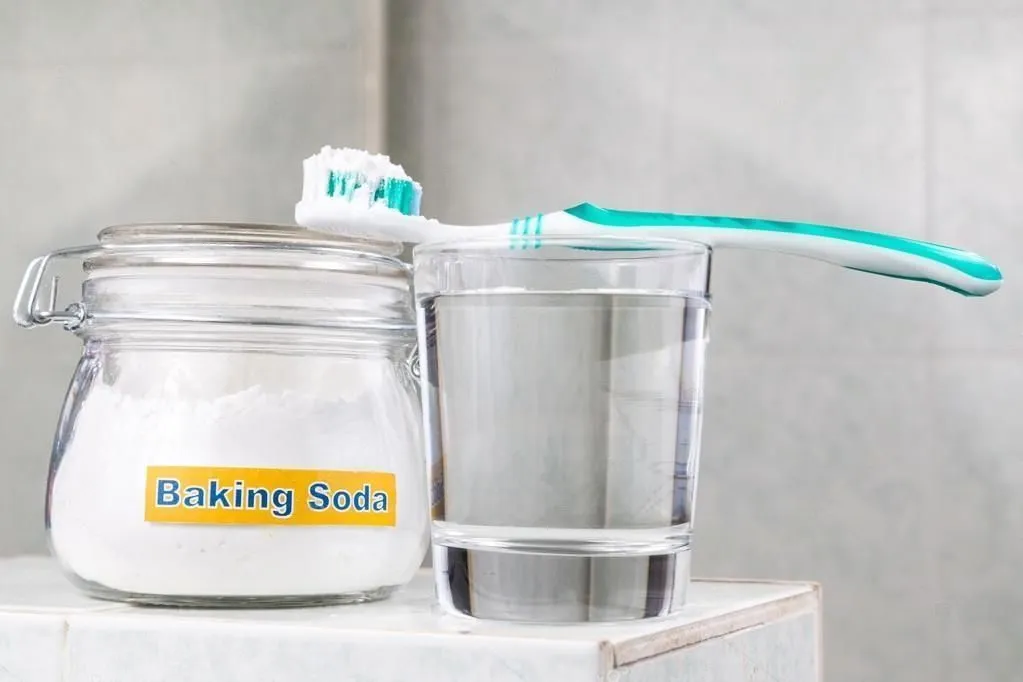
Using baking soda for teeth whitening is a relatively straightforward process. First, you’ll need to prepare a paste. This typically involves mixing a small amount of baking soda with water to create a paste-like consistency. Many people use a ratio of about two parts baking soda to one part water, but the exact amount can be adjusted to your preference. Next, apply the paste to your toothbrush, making sure to cover the bristles evenly. Then, gently brush your teeth with the baking soda paste for about two minutes. Be sure to brush all surfaces of your teeth, including the front, back, and chewing surfaces. After brushing, rinse your mouth thoroughly with water to remove any remaining baking soda. The key to this process is gentle, consistent brushing, combined with careful attention to your oral health to avoid potential problems.
Mixing Baking Soda for Whitening
While baking soda and water is the most basic mix, there are other ingredients that can be combined to boost its effectiveness or add additional benefits. Some people add a few drops of hydrogen peroxide to the mix, as hydrogen peroxide is a known bleaching agent. Others add a small amount of lemon juice, which contains citric acid and can help to further whiten teeth, but it’s important to be cautious with lemon juice because its acidity can erode enamel if used too frequently. Another popular addition is coconut oil, which is believed to have antibacterial properties and can help to improve overall oral health. Regardless of the ingredients you choose to combine with baking soda, it’s essential to use them in moderation and to consult with a dentist before trying any new DIY teeth whitening methods.
Whitening with Baking Soda and Other Ingredients
Combining baking soda with other ingredients can potentially enhance its teeth whitening effects, but it’s vital to understand the potential risks and benefits of each addition. Hydrogen peroxide, a mild bleaching agent, is frequently added to baking soda pastes. It can help to lift deeper stains, but it can also increase sensitivity. Lemon juice, another popular additive, contains citric acid, which can help to brighten teeth. However, its acidity can erode tooth enamel if used too often. Coconut oil is sometimes added for its antibacterial properties, which contribute to better oral health and a cleaner mouth. Turmeric, known for its anti-inflammatory properties, is also sometimes used, although its effectiveness in teeth whitening is less established. Always research and consult your dentist before including additional ingredients.
Is Baking Soda Safe for Teeth Whitening

The safety of using baking soda for teeth whitening depends on several factors, including how often you use it, how you use it, and the health of your teeth and gums. In general, baking soda is considered safe when used in moderation. However, excessive or improper use can lead to negative consequences. Dentists often recommend against using baking soda as a primary method for teeth whitening. The abrasive nature of baking soda can potentially wear down the enamel over time, increasing your risk of cavities, sensitivity, and other dental problems. It is important to consult your dentist before starting any DIY teeth whitening regimen, especially if you have existing dental issues or sensitivities.
Potential Risks of Baking Soda Use
While baking soda can be effective at removing surface stains, it also carries some potential risks that you should be aware of. One of the primary concerns is its abrasiveness. Over time, the abrasive action of baking soda can wear down the enamel, the protective outer layer of your teeth. This can lead to increased sensitivity to hot and cold foods and drinks, as well as an increased risk of cavities. Another potential risk is gum irritation. The abrasive nature of baking soda can irritate your gums, causing redness, swelling, and even bleeding. In addition, some people may experience a salty taste or a gag reflex when using baking soda. It is crucial to be mindful of these potential risks and to take appropriate precautions.
How to Use Baking Soda Safely
To use baking soda safely for teeth whitening, it is essential to follow a few key guidelines. Firstly, limit your use of baking soda to once or twice a week at most. This will help to minimize the risk of enamel erosion and gum irritation. Secondly, brush gently. Avoid applying excessive pressure, as this can exacerbate the abrasive effects of baking soda. Thirdly, mix baking soda with water to create a paste, and avoid adding any other abrasive substances. Fourthly, after brushing with baking soda, rinse your mouth thoroughly with water. Finally, if you experience any sensitivity, irritation, or other problems, discontinue use immediately. Consulting with your dentist is always recommended before starting any new teeth whitening regimen.
Alternative Teeth Whitening Methods

If you’re looking for alternative methods for teeth whitening, there are several options to consider. Over-the-counter whitening products, such as whitening strips and toothpastes, are readily available and can be effective for removing surface stains. Professional teeth whitening, performed by a dentist, is another option. This involves using stronger bleaching agents and can provide more dramatic results. Other natural remedies, like oil pulling with coconut oil, may also help to improve oral health and reduce staining. It is important to research each method thoroughly and to choose the option that best suits your needs and preferences. Always consult with your dentist to determine the most appropriate teeth whitening solution for you.
In conclusion, while baking soda can play a role in teeth whitening due to its abrasive and slightly alkaline properties, it is essential to approach its use with caution. Understanding its potential risks, such as enamel erosion and gum irritation, is crucial for safe application. Using baking soda in moderation, combined with proper brushing techniques and regular dental check-ups, can help maintain oral health. Moreover, exploring alternative teeth whitening methods, such as professional treatments or over-the-counter products, offers a comprehensive approach to achieving a brighter, healthier smile. Remember to consult with a dentist for personalized advice and to determine the most suitable teeth whitening strategy for your individual needs.