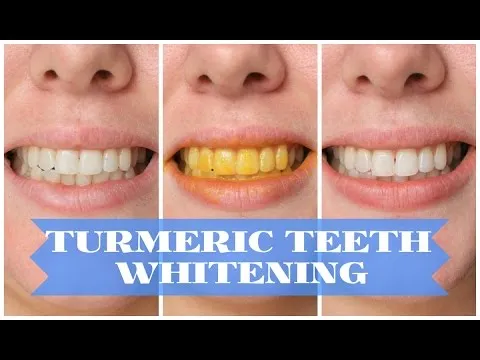
Are you looking for a natural way to brighten your smile? Turmeric, the vibrant yellow spice, has gained popularity not only for its culinary uses but also for its potential teeth-whitening properties. This guide dives into the science behind turmeric, how to use it effectively, and what results you can realistically expect. Let’s explore how this ancient spice can contribute to a healthier, brighter smile. Discovering the power of turmeric for your dental health may be the perfect addition to your oral hygiene routine, and provide a cost effective and natural solution for whiter teeth.
What is Turmeric and How Does it Whiten Teeth
Turmeric (Curcuma longa) is a spice derived from the turmeric plant, native to South Asia. It’s been used for centuries in traditional medicine and cooking, known for its vibrant color and distinct flavor. The key active compound in turmeric is curcumin, which gives it its yellow hue and is believed to offer various health benefits, including anti-inflammatory and antioxidant properties. The potential teeth-whitening effect of turmeric is primarily attributed to curcumin, which is thought to help remove surface stains and reduce plaque buildup, contributing to a brighter smile. Using turmeric can be a part of a great oral hygiene, and it may be perfect to use with other whitening methods.
The Science Behind Turmeric’s Whitening Properties
The science behind turmeric’s teeth-whitening capabilities is still emerging, but initial studies suggest that curcumin plays a key role. Curcumin’s antioxidant and anti-inflammatory properties might help reduce the inflammation that can sometimes cause discoloration of the teeth. However, it’s important to note that turmeric’s whitening effect is generally considered mild compared to professional treatments. The effectiveness can vary depending on the type and severity of stains. The process works by removing bacteria and plaque that stain your teeth.
Curcumin’s Role in Teeth Whitening

Curcumin is the primary active compound in turmeric, and the one responsible for many of its benefits. This component has been studied for its ability to reduce inflammation and act as an antioxidant. Some studies suggest that curcumin can help to remove plaque and surface stains on teeth. When it comes to whitening your teeth, curcumin is thought to act as a gentle abrasive, which can aid in the removal of stains caused by coffee, tea, and other foods. It is important to keep in mind that while curcumin can contribute to the appearance of whiter teeth, its effects are usually more subtle than those achieved with commercial whitening products or professional treatments.
Other Compounds in Turmeric
Besides curcumin, turmeric contains other beneficial compounds, although their direct impact on teeth whitening is less well-understood. These compounds contribute to the spice’s overall antioxidant and anti-inflammatory properties. Some of these compounds include volatile oils, which give turmeric its aroma, and other phytochemicals. These substances collectively contribute to turmeric’s potential health benefits, although the primary focus for teeth whitening remains curcumin. Always consult with your dentist before trying any home remedies.
How to Prepare Turmeric for Teeth Whitening
There are several ways to prepare turmeric for teeth whitening, each with its own advantages. The most common methods involve creating a paste using turmeric powder, but you can also apply turmeric oil. It’s essential to use high-quality turmeric powder to ensure the best results. Here are some popular methods:
Turmeric Paste Recipe

To make a turmeric paste, mix turmeric powder with water until it forms a thick consistency. Some people add a few drops of coconut oil, which is known for its antibacterial properties. You can also add a pinch of baking soda to boost the whitening effect. Use a small amount of the paste to brush your teeth. Applying the paste allows the turmeric to come into direct contact with your teeth, potentially helping to lift stains. Applying a small amount is best so that you are not wasting the product.
Turmeric Powder Application
Another simple method is to apply turmeric powder directly to your toothbrush. Dip a damp toothbrush into the powder and brush gently. This approach is quick and convenient, making it suitable for daily use. Be sure to rinse thoroughly after brushing to remove any remaining turmeric. Since this method doesn’t involve mixing the powder, it is a simple way to add turmeric into your oral hygiene routine.
Turmeric Oil Usage
Turmeric oil can also be used, although this method is less common. Some people use turmeric oil to do oil pulling. Use this method by swishing a small amount of turmeric oil in your mouth for several minutes before spitting it out. Oil pulling may help remove bacteria and toxins. Turmeric oil is known for its anti-inflammatory properties.
Step-by-step Guide to Using Turmeric

Using turmeric for teeth whitening involves several steps to ensure effectiveness and minimize potential side effects. Here’s a comprehensive guide to help you get started:
Brushing Technique for Optimal Results
Use a soft-bristled toothbrush to avoid damaging your enamel. Brush gently, using circular motions, and make sure to cover all surfaces of your teeth. Focus on areas with the most staining, but be careful not to apply too much pressure. Brushing with a soft toothbrush helps to ensure that the turmeric paste or powder is able to remove stains without causing damage to the teeth. Always make sure to be gentle on your gums.
Frequency and Duration of Application
For best results, brush with turmeric once or twice a day. Leave the turmeric on your teeth for a few minutes before rinsing thoroughly. Avoid leaving it on for extended periods, as this could potentially lead to staining. Consistently brushing with turmeric over time is more likely to produce noticeable results. It is important to develop a consistent oral hygiene routine.
What to Expect and How to Measure Results

When using turmeric for teeth whitening, understanding what to expect and how to measure your results is important for setting realistic expectations. Keep in mind that the results may vary based on individual factors. The color of your teeth may change over time, with continuous use.
Initial Observations and Timeline
You might notice subtle changes after the first few uses, but significant whitening typically takes several weeks or months of consistent use. Pay attention to how your teeth feel after brushing, and look for improvements in how they appear in natural light. The results are likely to become more visible over time, as the buildup of stains on your teeth slowly fades away. You should notice a small change in the color of your teeth the first time that you use turmeric.
Factors Influencing Results
Several factors can influence the effectiveness of turmeric for teeth whitening, including the type of stains you have, your current oral hygiene routine, and your diet. The best approach is to use it consistently and to maintain a good oral hygiene. It is best to avoid foods that stain your teeth.
Tips for Maximizing Turmeric Whitening Results
To get the best results from turmeric, consider these additional tips to enhance its effectiveness and support overall oral health:
Dietary Considerations
Limit your consumption of foods and drinks that can stain your teeth, such as coffee, tea, red wine, and berries. Incorporate a diet rich in fruits, vegetables, and water to support overall health and oral hygiene. Avoid sugary foods, as they contribute to plaque buildup. Having a balanced diet is good for your overall health.
Oral Hygiene Routine
Maintain a consistent oral hygiene routine, including brushing twice a day, flossing daily, and using mouthwash. This helps to remove plaque and prevent stains from forming. This will also ensure that the turmeric can work without any obstructions. A good oral hygiene routine is important for the success of turmeric.
Combining Turmeric with Other Methods

Turmeric can be used in conjunction with other natural whitening methods, such as oil pulling with coconut oil. However, avoid combining it with harsh commercial whitening products, as this can potentially damage your teeth. You can also consult your dentist for professional advice and treatments.
Potential Side Effects and Precautions
While turmeric is generally considered safe, it’s important to be aware of potential side effects and take precautions to ensure your oral health is not compromised.
Staining and Yellowing Considerations
Turmeric can, ironically, stain teeth if not used properly. To avoid this, rinse thoroughly after each use to remove any residue. If yellowing occurs, reduce the frequency of use or try a different method. If the yellowing persists, consult your dentist. To limit staining, you can use turmeric for a shorter amount of time.
Sensitivity and Irritation

Some people may experience increased sensitivity or irritation when using turmeric. If this happens, discontinue use and consult your dentist. If you have sensitive teeth, it’s best to start with a small amount of turmeric and see how your teeth react. Before trying any home remedies, consult with your dentist. If any irritation occurs, stop using the turmeric immediately.
Expert Opinions and Research Findings
Consulting with a dental professional is essential before using turmeric for teeth whitening. Dentists can provide personalized advice and ensure that turmeric is safe for your specific oral health needs. It is essential to research the methods being used on your teeth. The best approach is to talk with a professional. While studies suggest turmeric has some benefits, more research is needed to confirm its effectiveness as a primary teeth-whitening agent. Be sure to seek the opinion of an expert.
In conclusion, turmeric can be a valuable addition to your oral hygiene routine and may contribute to a brighter smile. The key is to use it consistently, follow the recommended guidelines, and manage your expectations. While turmeric can help, it’s not a replacement for professional dental care. It is a great product for your dental health, but it is not a miracle cure. If you’re looking for a natural alternative or supplement to traditional teeth whitening, turmeric is a worth exploring. Always consult with a dental professional to ensure it’s safe and effective for your individual needs.