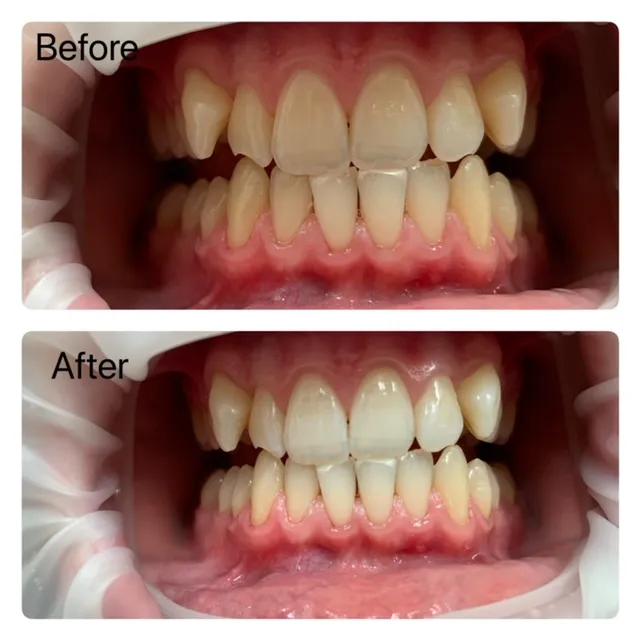
Understanding Root Canal Teeth and Discoloration
Root canal treated teeth often undergo changes in color, which can be a source of cosmetic concern for many individuals. The natural tooth color can be affected by various factors, leading to a darker or more yellow appearance compared to adjacent teeth. Understanding why these changes occur is the first step in finding effective solutions. This discoloration can significantly impact a person’s smile aesthetics and overall confidence. Fortunately, several methods exist to restore the natural brightness of a root canal treated tooth, and this article will explore the causes, treatments, and maintenance strategies to achieve a whiter, brighter smile.
Why Root Canal Teeth Discolor
The discoloration of a root canal treated tooth is a complex phenomenon influenced by several factors. The tooth is essentially ‘dead’, meaning it no longer has a blood supply, which affects its ability to maintain its original color. Over time, the internal components of the tooth, such as the pulp chamber and dentin tubules, can undergo changes. Breakdown of these materials and the presence of residual tissues can contribute to the darkening effect. Furthermore, the materials used during the root canal procedure itself can sometimes stain the tooth from the inside out. Another significant factor is the potential leakage of blood or other fluids into the tooth’s structure, leading to staining. All these elements combine to cause the root canal treated tooth to appear darker.
Common Causes of Discoloration

Several specific factors contribute to the discoloration observed in root canal teeth. One of the primary causes is the breakdown of hemoglobin, a protein found in red blood cells. If any blood remains within the tooth’s structure after the root canal procedure, it can break down and stain the dentin. The materials used during the procedure, like certain root canal sealers or filling materials, can also contribute to staining over time. Additionally, the accumulation of debris or bacteria within the tooth can lead to discoloration. Trauma to the tooth before the root canal can also cause internal bleeding, impacting the tooth’s color. Understanding these common causes is critical for selecting the most appropriate whitening technique and ensuring long-lasting results.
Whitening Root Canal Teeth the Methods
Fortunately, there are several effective methods to whiten a root canal treated tooth and restore its natural appearance. The most common and often most effective approach is internal bleaching, where the whitening agent is applied directly inside the tooth. External bleaching options, such as professional teeth whitening and over-the-counter products, can also be used, either alone or in conjunction with internal bleaching, to achieve optimal results. The choice of method will depend on the extent of discoloration, the patient’s individual needs, and the dentist’s recommendations. Each method has its specific advantages and considerations, and we will discuss these in detail to help you make informed decisions.
Internal Bleaching Explained
Internal bleaching, also known as walking bleach, is a highly effective technique to whiten a root canal treated tooth from the inside out. This method involves placing a bleaching agent directly into the pulp chamber of the tooth, which is the space where the nerve and blood vessels once resided. The whitening agent then works to break down the staining substances within the tooth structure, lightening the discoloration. Because the whitening agent is applied internally, this technique can address the root cause of discoloration in the tooth. Internal bleaching often provides more significant and longer-lasting results compared to external bleaching methods, making it a preferred choice for many patients. The procedure is usually performed under the supervision of a dentist, ensuring safety and efficacy.
The Procedure Step-by-Step

The internal bleaching procedure involves several steps. Initially, the dentist will ensure that the root canal filling is sealed and intact. The dentist then removes a small amount of the root canal filling material to create space for the bleaching agent. A protective barrier is placed near the gum line to prevent the whitening agent from irritating the soft tissues. Next, the bleaching agent, often a solution of hydrogen peroxide or sodium perborate, is inserted into the pulp chamber. The dentist will monitor the whitening process, and the agent is typically left in place for a few days to a week before being replaced. The process may be repeated several times until the desired shade is achieved. Finally, the dentist will seal the tooth and restore it.
Materials Used in Internal Bleaching
The primary materials used in internal bleaching include bleaching agents and protective barriers. Hydrogen peroxide, often in various concentrations, is a common active ingredient. Sodium perborate, which releases hydrogen peroxide when mixed with water, is also used. The dentist also uses a sealant or barrier to prevent the bleaching agent from leaking out and irritating the surrounding tissues. The choice of material will depend on several factors, including the degree of discoloration, the tooth’s sensitivity, and the dentist’s experience. Careful selection and application of these materials are crucial for achieving successful and safe whitening outcomes. The dentist will also use various tools such as cotton pellets, and small instruments for the procedures.
External Bleaching Options
While internal bleaching is often the primary approach, external bleaching can complement the process and enhance the whitening effect. External bleaching involves applying whitening agents to the outer surface of the tooth. Professional teeth whitening performed by a dentist offers precise control and the use of higher-concentration bleaching agents. Over-the-counter products, such as whitening strips and toothpastes, are also available. These options may be beneficial for maintaining the results achieved with internal bleaching or for addressing surface stains on adjacent teeth. The best results are often achieved by combining internal and external bleaching methods under the guidance of a dental professional. Careful consideration of the type of external bleaching and the patient’s needs is essential for maximizing its effectiveness.
Professional Teeth Whitening

Professional teeth whitening, performed by a dentist, provides the most controlled and effective external bleaching option. The dentist uses high-concentration bleaching agents that are not available over-the-counter. The dentist protects the gums and soft tissues with a protective barrier before applying the bleaching agent to the tooth’s surface. The process is often accelerated using special lights or lasers to activate the whitening agent. Professional whitening can achieve dramatic results in a short period. This method is ideal for patients seeking quick and noticeable improvements. The dentist will also provide post-whitening instructions and care recommendations. Professional teeth whitening, combined with internal bleaching, can provide significant overall whitening improvement.
Over-the-Counter Whitening Products
Over-the-counter whitening products offer a more accessible and affordable option for external bleaching. These products include whitening strips, toothpastes, and mouthwashes. Whitening strips are easy to use and provide a convenient way to apply a whitening agent to the teeth. Whitening toothpastes and mouthwashes contain mild abrasives and whitening agents that help remove surface stains. While over-the-counter products can improve the appearance of the teeth, their effectiveness is limited compared to professional whitening. They are best suited for maintaining the results of professional treatments or addressing mild surface stains. It is important to follow the product instructions carefully and be aware of potential side effects, such as tooth sensitivity.
Maintaining Your Whitened Tooth
Maintaining the results of whitening a root canal treated tooth requires diligent care and attention. After undergoing whitening treatment, it is crucial to follow post-whitening care instructions and adopt long-term maintenance strategies to ensure the longevity of your brighter smile. Consistent care can protect your investment and help prevent the recurrence of discoloration. By understanding the factors that can affect the color of your tooth, you can make informed choices and maintain optimal results. Remember that regular dental check-ups and professional cleanings are essential for maintaining overall oral health and the appearance of your teeth.
Post-Whitening Care Tips

Following post-whitening care instructions is essential for maximizing the longevity of your results. Avoid consuming foods and drinks that can stain your teeth, such as coffee, tea, red wine, and berries, immediately after the procedure. It is often recommended to follow a ‘white diet’ for the first few days after whitening, which includes white-colored foods and drinks. Avoid smoking, as nicotine can stain teeth. Practice good oral hygiene, including brushing twice a day with a whitening toothpaste and flossing daily. Consider using a straw for beverages to minimize contact with the teeth. Regular dental check-ups and cleanings are essential for professional maintenance.
Foods and Drinks to Avoid
Certain foods and drinks can easily stain teeth and should be avoided or consumed with caution after whitening. Coffee and tea are notorious for staining teeth. Red wine, dark sodas, and fruit juices can also cause staining. Highly pigmented foods, such as berries, beets, and soy sauce, should be consumed in moderation. It is recommended to rinse your mouth with water or brush your teeth after consuming these items. The avoidance or moderation of these staining agents will help maintain the brightness of your treated tooth and other teeth. If you choose to consume these items, do so in moderation and brush your teeth soon after.
Long-Term Maintenance Strategies
Long-term maintenance involves a combination of consistent oral hygiene practices and regular dental check-ups. Continue to brush your teeth twice a day and floss daily. Consider using a whitening toothpaste to maintain the brightness of your teeth. Avoid smoking and limit consumption of staining foods and drinks. Schedule regular dental check-ups and professional cleanings every six months to monitor the condition of your teeth. Your dentist may recommend touch-up treatments with professional whitening to maintain optimal results over time. Following these strategies will help you maintain a long-lasting, bright, and confident smile.
Potential Risks and Considerations

While whitening a root canal treated tooth is generally safe and effective, it is essential to be aware of potential risks and considerations. As with any dental procedure, it is vital to discuss potential side effects and complications with your dentist before treatment. Understanding these factors will help you make informed decisions and manage your expectations. In most cases, the benefits of whitening outweigh the risks. Nevertheless, it’s crucial to approach the process with awareness and under professional dental guidance.
Side Effects of Whitening
The most common side effect of teeth whitening, including the whitening of root canal teeth, is tooth sensitivity. Sensitivity to hot and cold temperatures may occur during and after the procedure. This is usually temporary and subsides within a few days. Some individuals may experience gum irritation due to the bleaching agent, but this is also usually temporary. In rare cases, excessive whitening can cause damage to the tooth enamel. It is essential to follow the dentist’s instructions carefully to minimize side effects. If you experience any unusual or severe symptoms, contact your dentist immediately. Using dentist-approved products and techniques helps to lessen these side effects.
When to Consult a Dentist
It is essential to consult a dentist before undergoing any teeth whitening procedure. A dentist can assess the condition of your root canal treated tooth, determine the cause of discoloration, and recommend the most appropriate treatment plan. They can also evaluate your overall oral health and address any underlying issues. If you experience persistent sensitivity, pain, or any other unusual symptoms after whitening, consult your dentist immediately. Regular dental check-ups are crucial for maintaining the health and appearance of your teeth. Your dentist can provide personalized guidance and help you achieve the best possible results while ensuring your oral health.
In conclusion, whitening a root canal treated tooth can significantly improve your smile aesthetics and boost your confidence. By understanding the causes of discoloration, exploring various whitening methods, and following post-treatment care guidelines, you can achieve a whiter, brighter smile. Remember to consult your dentist for personalized advice and professional treatment to ensure the best outcomes while maintaining optimal oral health. With the right approach, you can effectively address discoloration and enjoy a beautiful, confident smile. Following the guidance provided can help you maintain a bright and healthy smile for years to come.