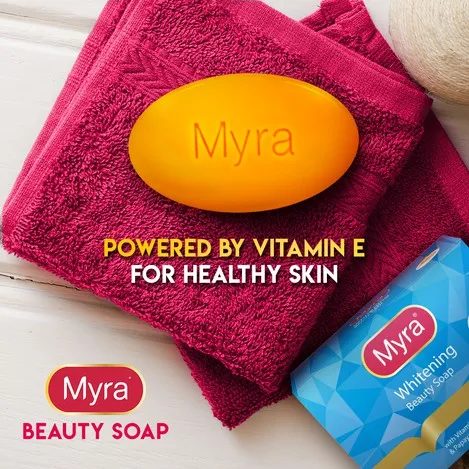
What is Whitening Soap Philippines
Whitening soap, particularly in the Philippines, is a popular skincare product designed to lighten the skin and reduce the appearance of dark spots, uneven skin tone, and hyperpigmentation. These soaps typically contain ingredients that inhibit melanin production, the pigment responsible for skin color. The demand for whitening soap in the Philippines is high, driven by cultural preferences for lighter skin and the desire to achieve a brighter, more even complexion. However, it is essential to understand that the effectiveness and safety of these soaps can vary widely depending on the ingredients and formulation. Consumers in the Philippines should carefully research and select products that are both effective and safe for their skin type, ensuring they avoid harsh chemicals and prioritize products with proven results.
How Whitening Soap Works
Whitening soaps work by targeting melanin, the pigment that gives skin its color. The active ingredients in these soaps aim to reduce melanin production or promote the shedding of melanin-rich skin cells. Some ingredients, like kojic acid and arbutin, inhibit tyrosinase, an enzyme crucial for melanin synthesis. Others, such as alpha hydroxy acids (AHAs), exfoliate the skin, removing the top layer of pigmented cells. The effectiveness of a whitening soap depends on the concentration of active ingredients, the formulation, and the individual’s skin type and concerns. Consistent use, as directed, is typically required to see noticeable results. It’s also crucial to protect the skin from sun exposure, as UV rays can stimulate melanin production and counteract the effects of whitening soaps.
Common Ingredients in Whitening Soaps

Many whitening soaps incorporate specific ingredients to achieve their effects. Common ingredients include kojic acid, known for its tyrosinase-inhibiting properties, and arbutin, a natural skin-lightening agent. Vitamin C, an antioxidant, can also brighten the skin and protect it from environmental damage. Other ingredients, like glutathione, are believed to reduce melanin production, while AHAs such as glycolic acid and lactic acid, provide exfoliation to remove dead skin cells. When choosing a whitening soap, consumers should research the ingredients and understand their potential benefits and risks, ensuring they align with their skincare goals. It is also advised to check for products that are free from harmful chemicals, as some formulations may include ingredients that can cause irritation or other adverse reactions.
Types of Whitening Soaps Available
Whitening soaps are available in various formulations, each with unique characteristics and benefits. Some soaps focus on gentle cleansing and brightening, using natural ingredients like papaya extract or licorice extract. Others may incorporate stronger active ingredients for more pronounced whitening effects, such as kojic acid or hydroquinone (though the latter requires careful use and is sometimes restricted). Soap bars are a traditional choice, known for their convenience and cost-effectiveness. Liquid soaps offer easy application and can be formulated for sensitive skin. There are also soaps with added moisturizers to prevent dryness, a common side effect of whitening ingredients. The best choice depends on individual skin type, preferences, and desired results. Always consider the ingredients, skin sensitivity, and the need for additional moisturizing or sun protection.
Choosing the Right Whitening Soap
Selecting the right whitening soap involves several considerations to ensure effectiveness and safety. Begin by evaluating your skin type; if you have sensitive skin, opt for soaps with gentle, natural ingredients. Research the active ingredients and their potential effects, and always check for products that are free from harsh chemicals like parabens and sulfates. Consider the brand’s reputation and read reviews from other users to gauge product effectiveness and any potential side effects. Begin with a patch test on a small area of skin to check for adverse reactions before applying the soap to your entire body. The right whitening soap should align with your skincare goals, address your specific concerns, and integrate seamlessly into your daily routine. Remember that consistency is key, and results may take time to appear.
Consider Your Skin Type

Understanding your skin type is crucial when selecting a whitening soap. Those with dry skin should opt for soaps that contain moisturizing ingredients, such as glycerin or shea butter, to prevent dryness. Individuals with oily skin may prefer soaps with exfoliating properties to help unclog pores and control oil production. For sensitive skin, it’s essential to choose soaps with mild formulations and natural ingredients, avoiding those with harsh chemicals or fragrances that can cause irritation. People with acne-prone skin should look for soaps that are non-comedogenic, meaning they won’t clog pores, and potentially contain ingredients like salicylic acid for acne treatment. Assessing your skin type and its specific needs will help you choose a whitening soap that delivers the desired results while minimizing the risk of adverse reactions.
Check the Ingredients
Carefully reviewing the ingredient list is vital before purchasing any whitening soap. Look for active ingredients such as kojic acid, arbutin, vitamin C, and niacinamide, which are known for their skin-lightening and brightening effects. Ensure the soap is free from harsh chemicals like sulfates, parabens, and artificial fragrances, which can irritate sensitive skin. Consider the presence of moisturizing agents like glycerin or hyaluronic acid to prevent dryness and maintain skin hydration. Research each ingredient to understand its potential benefits and risks, especially if you have any known allergies or skin sensitivities. Checking the ingredient list helps ensure you select a safe and effective product that aligns with your skincare goals and minimizes the risk of adverse reactions.
Where to Buy Whitening Soaps
Whitening soaps are widely available in the Philippines through various retail channels. Drugstores, supermarkets, and cosmetic stores stock a wide range of brands and formulations. Online shopping platforms offer convenience and a vast selection, allowing you to compare prices and read customer reviews. Local markets and specialty shops may also carry unique or artisanal whitening soaps. When purchasing, always ensure the product is from a reputable seller and that it is sealed and authentic. Comparing prices and reading reviews can help you make an informed decision. If you’re unsure about a product, consult with a dermatologist or skincare professional for personalized recommendations.
Top Whitening Soap Brands in Philippines

Several brands have gained popularity in the Philippines for their effective whitening soaps. Some well-known brands include Kojie San, known for its kojic acid-based soaps, and Silka, which offers a range of soaps with papaya extract. Gluta-C is another popular choice, with soaps enriched with glutathione and vitamin C. Other reputable brands like Belo, and SkinWhite also offer whitening soaps. When selecting a brand, consider factors such as ingredient lists, customer reviews, and the brand’s reputation for safety and effectiveness. Always check the product’s authenticity and read user experiences to help guide your choice. Remember that individual results can vary depending on skin type and the consistency of use.
Benefits of Using Whitening Soap
Whitening soaps can offer various benefits for those seeking a brighter and more even skin tone. They can effectively reduce the appearance of dark spots, hyperpigmentation, and uneven skin tone, resulting in a more radiant complexion. Regular use can also help fade acne scars and sunspots, contributing to clearer skin. Additionally, some whitening soaps contain ingredients that provide gentle exfoliation, removing dead skin cells and revealing fresh, glowing skin. The improved skin tone can boost confidence and promote a more youthful appearance. However, it’s important to manage expectations, as results vary. Using sunscreen is essential to protect the skin and enhance the benefits of whitening soap.
Potential Risks and Side Effects
While whitening soaps can offer benefits, it’s important to be aware of potential risks and side effects. Overuse or the use of soaps with strong active ingredients can lead to skin irritation, dryness, and sensitivity. Some whitening soaps may contain hydroquinone, which, if used incorrectly, can cause ochronosis, a skin discoloration disorder. Other potential side effects include redness, itching, and peeling. To minimize risks, always perform a patch test before full use, start with less frequent applications, and follow the product instructions. Avoid products with harmful chemicals. If you experience adverse reactions, discontinue use and consult a dermatologist. Sun protection is crucial when using whitening soaps, as they can make the skin more susceptible to sun damage.
How to Use Whitening Soap Effectively

For effective use, start by wetting your skin with lukewarm water. Lather the whitening soap in your hands and apply it gently to your face and body, avoiding the eye area. Leave the soap on your skin for a short period, usually a few minutes, as instructed on the product label. Rinse thoroughly with water and pat your skin dry with a soft towel. Follow up with a moisturizer to prevent dryness, especially if your soap contains exfoliating ingredients. Use the soap as directed by the manufacturer. Consistency is key, and results take time. Sunscreen use is crucial to protect the skin from sun damage. Discontinue use if irritation occurs, and consult a dermatologist if needed.
Daily Skincare Routine for Glowing Skin
Integrating a whitening soap into your daily skincare routine can greatly enhance its effectiveness. Start by cleansing your face with your chosen whitening soap. After rinsing, apply a toner to balance the skin’s pH levels and prepare it for subsequent products. Follow with a serum containing antioxidants or skin-brightening ingredients, such as vitamin C. Always apply a broad-spectrum sunscreen with an SPF of 30 or higher during the day to protect your skin from harmful UV rays. At night, you can use a moisturizer to hydrate your skin, and consider incorporating a night cream with additional skin-brightening properties. Consistency is the key to achieving glowing skin, so stick to your daily skincare routine.