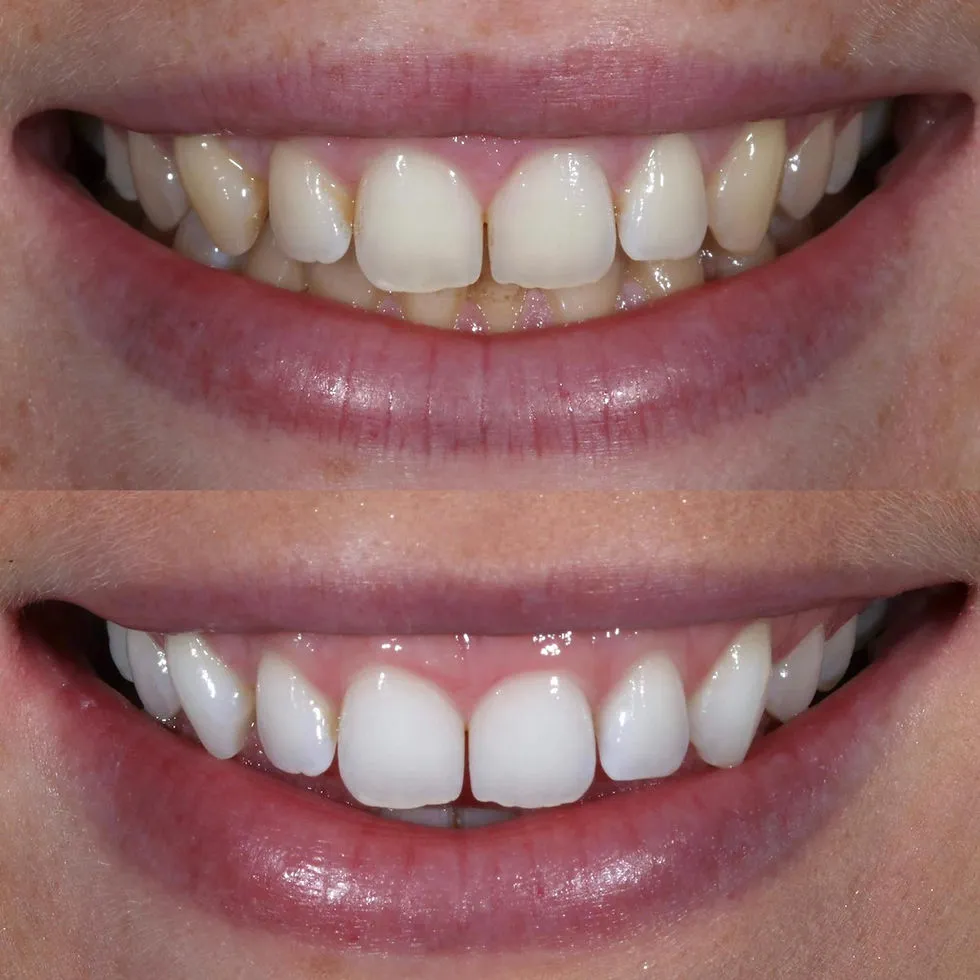
What is Teeth Whitening and How Does it Work?
Teeth whitening is a popular cosmetic dental procedure designed to lighten the shade of your teeth, giving you a brighter, more confident smile. It works by using bleaching agents, typically hydrogen peroxide or carbamide peroxide, which penetrate the enamel and dentin of your teeth to break down the stain molecules. These stains can be caused by various factors, including food, drinks, smoking, and the natural aging process. The effectiveness and longevity of the whitening process depend on several factors, including the type of whitening method used, your lifestyle habits, and your oral hygiene routine. Understanding these aspects is crucial for maintaining a dazzling smile for as long as possible. Several methods are available, ranging from professional in-office treatments to over-the-counter products.
Types of Teeth Whitening Procedures
There are several ways to whiten your teeth, each with its own advantages and disadvantages. Choosing the right method depends on your budget, the severity of your stains, and your desired results. The main categories include professional in-office treatments, at-home kits, and over-the-counter products like whitening toothpastes and mouthwashes. Each of these methods utilizes different concentrations of whitening agents and application techniques, leading to varying levels of effectiveness and duration of results. Considering these options allows you to select the procedure that best aligns with your needs and preferences.
In-Office Teeth Whitening

In-office teeth whitening is performed by a dental professional in a clinic setting. This method typically involves the application of a high-concentration bleaching gel to your teeth, often activated by a special light or laser to accelerate the whitening process. Due to the higher concentration of the bleaching agent, in-office treatments usually provide the most dramatic and immediate results, with teeth often becoming several shades lighter in a single session. However, this method can be more expensive than at-home options and may cause temporary tooth sensitivity for some individuals. The effects can last from several months to a few years, depending on the patient’s habits and maintenance.
At-Home Teeth Whitening Kits
At-home teeth whitening kits provide a convenient and more affordable alternative to in-office treatments. These kits typically include custom-fitted trays that you fill with a bleaching gel provided by your dentist, or pre-filled trays that you can purchase over-the-counter. The trays are worn for a specific amount of time each day or night, as directed by your dentist or the product instructions. The results are generally less dramatic than in-office whitening but can still provide a noticeable improvement in your smile’s brightness. The duration of the results varies depending on the kit’s strength and your habits, but touch-up treatments may be needed every few months or years to maintain the desired shade.
Whitening Toothpastes and Mouthwashes
Whitening toothpastes and mouthwashes are readily available over-the-counter and are designed to remove surface stains and help maintain the whiteness of your teeth. They typically contain mild abrasive agents or chemical compounds that gently polish the teeth and break down stain molecules. While these products can help improve the appearance of your teeth, they generally do not provide the same dramatic results as professional treatments or at-home kits. The effects are often subtle, and maintaining consistent use is essential to see any visible improvement. These products are more effective for maintaining your results from other whitening methods.
Factors Influencing the Longevity of Teeth Whitening

Several factors influence how long your teeth whitening results will last. Understanding these factors can help you take proactive steps to extend the life of your brighter smile. Your lifestyle, dietary habits, and oral hygiene practices all play a crucial role in determining the longevity of the whitening effects. While professional treatments and at-home kits can effectively lighten your teeth, maintaining the results requires consistent effort and attention to these key areas. Remember that the goal is to maximize the time your teeth remain at their brightest and most appealing, not just to achieve that initial whitening.
Dietary Habits
Your diet can significantly impact the duration of your teeth whitening results. Consuming foods and drinks that stain your teeth can quickly diminish the effects of the treatment. Coffee, tea, red wine, and dark-colored sodas are notorious for staining teeth. Similarly, deeply pigmented fruits like berries, and certain sauces, such as soy sauce and balsamic vinegar, can also contribute to staining. To maintain a bright smile, it’s best to limit your intake of these staining foods and drinks. Rinsing your mouth with water immediately after consuming these items can also help to minimize staining. Additionally, incorporating teeth-friendly foods like apples and celery into your diet can help keep your teeth clean and white.
Oral Hygiene Practices
Maintaining excellent oral hygiene is fundamental to preserving your teeth whitening results. Brushing your teeth at least twice a day, and ideally after every meal, is essential for removing plaque and food particles that can contribute to staining. Using a fluoride toothpaste helps strengthen your enamel and protect against stains. Flossing daily is equally important, as it removes plaque and food debris from between your teeth, areas that your toothbrush cannot reach. Regular dental check-ups and professional cleanings every six months are also crucial for removing any build-up of plaque and tartar, which can dull your smile. A consistent oral hygiene routine is your first line of defense against stains.
Lifestyle Choices

Certain lifestyle choices can significantly affect how long your teeth whitening results will last. Smoking and the use of other tobacco products are major contributors to teeth staining and discoloration. Nicotine and tar in tobacco products leave yellowish stains on your teeth, making them appear dull and aged. Avoiding tobacco products is one of the best ways to preserve your bright smile. Excessive alcohol consumption can also contribute to staining, as alcoholic beverages can dehydrate your mouth, making it more susceptible to staining from other foods and drinks. Practicing moderation with alcohol consumption and avoiding tobacco use can significantly enhance the longevity of your whitening results and improve your overall oral health.
How Long Do Different Whitening Methods Last?
The longevity of teeth whitening results varies depending on the method used, as well as individual factors such as lifestyle and oral hygiene habits. Professional in-office treatments tend to last the longest, often for a year or more, because of the higher concentration of bleaching agents used. At-home whitening kits typically provide results that last for several months, but this timeframe can vary widely. Whitening toothpastes and mouthwashes generally have a less dramatic effect on the duration, primarily assisting in stain removal and maintenance. A realistic understanding of the lifespan of each method will help you manage your expectations and plan for touch-up treatments if necessary.
In-Office Whitening Results
In-office teeth whitening, due to the high concentration of bleaching agents and the professional application, often yields results that last from one to three years. However, this can vary depending on your oral hygiene, diet, and lifestyle choices. Regular check-ups and cleanings at your dentist’s office can help maintain the results, as they remove surface stains and plaque buildup. To extend the longevity of your in-office whitening, it’s essential to follow your dentist’s aftercare instructions and be diligent in avoiding staining foods and drinks. Periodic touch-up treatments can also be considered to maintain the desired brightness.
At-Home Kit Results

The duration of results from at-home whitening kits generally ranges from six months to a year, depending on the strength of the kit and the consistency of use. Factors such as your eating habits and oral hygiene significantly influence this timeframe. Consistent brushing and flossing, along with avoiding staining foods and drinks, will help extend the life of your results. It’s also wise to use the whitening trays as directed and to follow any instructions provided with the kit. As the effects begin to fade, consider occasional touch-up treatments or using whitening toothpaste to keep your smile bright.
Whitening Toothpaste Results
Whitening toothpastes and mouthwashes are primarily designed for stain removal and maintenance, so their effects on overall tooth whitening are relatively limited. These products often contain mild abrasives or chemical compounds to gently remove surface stains, but they generally do not penetrate deeply into the enamel to alter the color. The impact of whitening toothpastes can vary depending on the toothpaste’s formulation and your individual oral hygiene. It is more effective for maintaining the results achieved through other whitening methods, as it can help remove new stains before they have a chance to set. The regular use of a whitening toothpaste can help to keep your teeth looking their best over time and contribute to your overall oral health routine.
Tips for Maintaining a Bright Smile
Maintaining a bright and healthy smile requires a consistent approach to oral hygiene and lifestyle choices. Following these tips can help to maximize the longevity of your teeth whitening results and improve your overall oral health. This includes adopting a proactive approach to dental care, dietary habits, and avoiding habits that can cause discoloration. Combining these practices will give you the greatest chance of maintaining your bright smile for the longest possible time.
Regular Dental Check-ups and Cleanings

Scheduling regular dental check-ups and professional cleanings is fundamental to maintaining a bright and healthy smile. Your dentist can assess the overall health of your teeth and gums, identify any potential problems early on, and provide personalized advice on maintaining your smile’s brightness. Professional cleanings remove plaque and tartar, which can cause your teeth to appear dull. Regular dental visits also allow your dentist to perform a touch-up whitening treatment if needed, helping you to preserve the results of any previous whitening procedures. Aim to visit the dentist every six months or as recommended.
Avoiding Staining Foods and Drinks
Making mindful choices about your diet can significantly contribute to maintaining your bright smile. Reducing your consumption of staining foods and drinks, such as coffee, tea, red wine, and dark-colored sodas, is highly beneficial. If you do consume these items, rinsing your mouth with water immediately afterward can help minimize their impact on your teeth. Incorporating teeth-friendly foods like apples and celery into your diet can promote natural cleaning and help keep your teeth looking their best. Choosing alternatives, such as clear beverages over dark-colored ones, is another excellent approach.
Using Whitening Products Sparingly
Overuse of whitening products can lead to tooth sensitivity and other potential side effects. Therefore, it is important to use them as directed by your dentist or the product instructions. Avoid excessive use of whitening toothpastes, and do not overuse at-home kits or professional treatments. Follow the recommended frequency and duration of use for each product. It is always a good idea to consult with your dentist before starting any whitening regimen. They can help you determine the best approach for your individual needs and provide guidance on how to minimize any potential risks. Using whitening products sparingly will help protect your enamel and ensure the longevity of your bright smile.
When to Consider Touch-Up Treatments

As the effects of teeth whitening begin to fade, touch-up treatments can help you maintain your desired level of brightness. The frequency of these touch-ups depends on several factors, including the type of whitening procedure you had, your lifestyle habits, and your diet. If you notice your teeth gradually becoming less bright, it might be time to consult with your dentist about touch-up options. This could involve using at-home whitening kits for a short period, getting another in-office treatment, or simply adjusting your oral hygiene routine. Regular touch-up treatments will ensure that you can continue to enjoy your brighter smile for years to come.