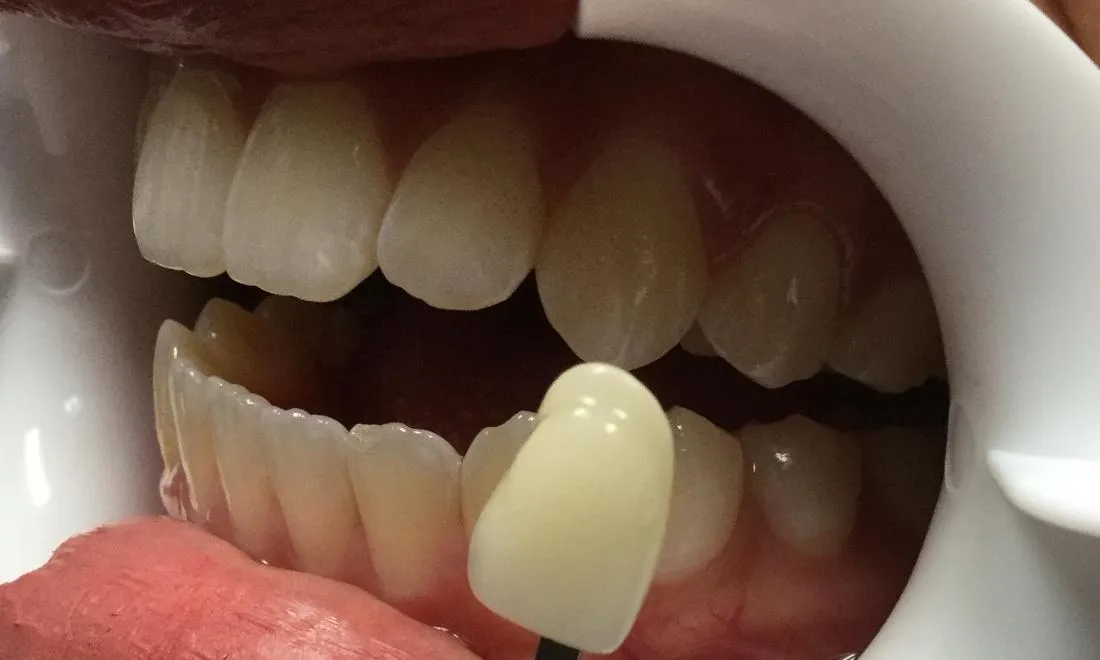
What is Teeth Whitening
Teeth whitening, also known as tooth bleaching, is a popular cosmetic dental procedure designed to lighten the shade of your teeth and remove stains and discoloration. This process can significantly enhance your smile and boost your self-esteem. Over time, teeth can become stained due to various factors like aging, the consumption of certain foods and drinks (coffee, tea, red wine), and smoking. Teeth whitening treatments offer an effective solution to restore your teeth’s natural brightness, providing a more youthful and attractive appearance. Professional teeth whitening at a dentist’s office is often considered the most effective method, offering faster and more noticeable results compared to over-the-counter products.
Understanding the Whitening Process
The teeth whitening process involves the application of a bleaching agent, typically hydrogen peroxide or carbamide peroxide, to the surface of the teeth. This agent penetrates the enamel and dentin layers, breaking down the stain molecules and eliminating discoloration. The concentration of the bleaching agent and the duration of its application determine the effectiveness of the treatment. Professional whitening treatments administered by a dentist utilize higher concentrations of bleaching agents than those available in home kits, leading to quicker and more dramatic results. The process is generally safe, with minimal risk when performed under professional supervision.
Types of Teeth Whitening Treatments

There are various types of teeth whitening treatments available, including both in-office procedures and at-home options. Over-the-counter products such as whitening toothpastes, strips, and gels offer a gradual whitening effect. However, they typically contain lower concentrations of bleaching agents and may not provide the same level of results as professional treatments. Professional teeth whitening at a dentist’s office offers the most effective and efficient way to achieve a significantly brighter smile, ensuring safe and controlled application of higher concentration bleaching agents. The dentist can also provide customized treatments and address any underlying dental issues that might affect the whitening process.
In-Office Whitening Procedures
In-office teeth whitening procedures offer the most immediate and dramatic results. The dentist first assesses your oral health and determines the suitability of the treatment. The process typically involves isolating the teeth with a protective barrier to shield the gums and soft tissues. A high-concentration bleaching agent is then applied to the teeth, and a special light or laser may be used to enhance the whitening effect. The treatment usually takes about an hour, and you can often see a significant improvement in the shade of your teeth in a single visit. Multiple sessions might be recommended for optimal results, depending on the initial discoloration and desired outcome.
The Benefits of Professional Whitening
Choosing professional teeth whitening at your dentist’s office offers numerous advantages over at-home methods. Professional treatments are administered under the supervision of a trained dental professional, ensuring safety and minimizing the risk of potential side effects like gum irritation or tooth sensitivity. Dentists can use higher-strength bleaching agents, resulting in faster and more noticeable whitening results. Moreover, professional treatments provide customized care, addressing individual needs and concerns and ensuring optimal results while considering oral health. Regular dental check-ups and cleanings can also complement teeth whitening, contributing to a healthier and brighter smile.
Improved Confidence

A brighter, whiter smile can significantly boost your self-confidence and improve your self-image. Stained or discolored teeth can make you feel self-conscious, impacting your social interactions and overall well-being. Teeth whitening can help you feel more comfortable and confident in social situations, allowing you to smile more freely. The positive impact on your self-esteem can extend to various aspects of your life, from your professional endeavors to your personal relationships. A radiant smile can make a powerful first impression and enhance your overall quality of life.
Enhanced Appearance
Teeth whitening can dramatically enhance the overall appearance of your smile, making you look younger and more attractive. A brighter smile can create a more youthful and vibrant appearance, improving your facial aesthetics. Professional teeth whitening can remove stains and discoloration, revealing the natural brilliance of your teeth. This can lead to a more polished and healthy look, positively impacting your overall facial appearance. A brighter smile is often associated with health, vitality, and attractiveness, making teeth whitening a popular cosmetic dental procedure.
Effective Stain Removal
Professional teeth whitening effectively removes a wide range of stains caused by various factors, including aging, food, drinks, and smoking. The bleaching agents used in professional treatments penetrate the enamel and dentin layers, breaking down the stain molecules and eliminating discoloration. This is particularly effective for stains caused by coffee, tea, red wine, and tobacco. Professional whitening can address both intrinsic and extrinsic stains, providing a more thorough and lasting whitening effect. The result is a cleaner, brighter smile and a renewed sense of oral hygiene.
Who is a Good Candidate for Teeth Whitening?

Most people are suitable candidates for teeth whitening; however, the effectiveness of the treatment may vary depending on the type and severity of the stains. Ideal candidates have healthy gums and teeth and are free from dental issues such as cavities or gum disease. Individuals with yellowing teeth generally respond better to whitening treatments than those with grey or purple staining. A consultation with a dentist is essential to determine your suitability and discuss the expected outcomes. The dentist will evaluate your oral health and advise you on the most appropriate whitening method for your specific needs.
Factors Affecting Suitability
Several factors can affect the suitability of teeth whitening. The type and severity of the stains play a significant role in determining the effectiveness of the treatment. Teeth with intrinsic stains (those within the tooth structure) may be more challenging to whiten than those with extrinsic stains (surface stains). Age, dental health, and the presence of dental restorations (fillings, crowns, etc.) can also influence the outcome. Individuals with sensitive teeth or receding gums should discuss potential risks with their dentist. Certain medications or medical conditions may also impact the suitability of teeth whitening. A thorough dental examination is essential to assess your individual circumstances.
Dental Health Considerations
Before undergoing teeth whitening, it is essential to address any underlying dental health issues. Cavities, gum disease, or other dental problems should be treated before the whitening procedure. Whitening agents can irritate sensitive teeth or inflamed gums, so it is essential to ensure your oral health is in optimal condition. Your dentist will assess your overall dental health and recommend appropriate treatment if necessary. Regular dental check-ups and cleanings are also essential to maintain healthy teeth and gums and optimize the whitening process. Maintaining good oral hygiene habits, including brushing, flossing, and regular dental visits, can improve the results of teeth whitening.
Before Your Whitening Appointment

Prior to your teeth whitening appointment, there are several steps you should take to ensure the best possible results. First, schedule a consultation with your dentist to discuss your goals and assess your oral health. This will help determine if teeth whitening is the right option for you. It’s also important to have a dental cleaning to remove any plaque or tartar buildup, allowing the whitening agent to penetrate more effectively. Avoid consuming stain-causing foods and drinks, such as coffee, tea, and red wine, in the days leading up to your appointment. Following these preparatory steps can maximize the effectiveness of the teeth whitening procedure.
Consultation and Examination
A thorough consultation and examination are crucial before proceeding with teeth whitening. Your dentist will evaluate your oral health, discuss your desired results, and assess any potential risks or contraindications. They will examine your teeth for cavities, gum disease, and existing dental work. The dentist may take photographs of your teeth to track the progress of the whitening process. This initial consultation helps the dentist determine the appropriate whitening method and establish realistic expectations. It also ensures that any underlying dental issues are addressed before starting the whitening treatment, promoting optimal outcomes and patient safety.
Preparation Steps
Preparation steps for teeth whitening at a dentist’s office typically involve isolating the teeth with a protective barrier to prevent the bleaching agent from contacting the gums and soft tissues. Your dentist may use cheek retractors to keep your mouth open and ensure the teeth are easily accessible. A protective gel is often applied to the gums to minimize sensitivity. Once the teeth are prepared, the whitening agent is applied, and a special light or laser may be used to activate and enhance the whitening process. It’s important to follow your dentist’s instructions and any aftercare recommendations for the best results.
Aftercare and Maintenance

Aftercare is crucial to maintain the results of your teeth whitening procedure. Following the treatment, it is important to avoid foods and drinks that can stain your teeth, such as coffee, tea, red wine, and dark-colored sauces, for at least 48 hours. You should also abstain from smoking. Maintaining excellent oral hygiene practices, including brushing twice a day and flossing daily, will help prevent future stains. Regular dental check-ups and cleanings are essential for keeping your teeth healthy and bright. Your dentist may recommend touch-up treatments to maintain your desired shade.
Maintaining Results
To maintain the results of your teeth whitening, it is important to follow a comprehensive oral hygiene routine. Brush your teeth twice a day with a whitening toothpaste and floss daily to remove plaque and food particles. Consider using a straw when drinking beverages like coffee or tea to minimize contact with your teeth. Avoid smoking and limit your consumption of stain-causing foods and drinks. Your dentist may also recommend at-home maintenance kits or touch-up treatments to keep your smile looking its best. Regular dental check-ups and professional cleanings are vital for maintaining your brighter smile.
Potential Side Effects and Management
While teeth whitening is generally safe, some potential side effects may occur. Tooth sensitivity is a common side effect, especially during the initial days following the treatment. Gum irritation may also occur if the bleaching agent comes into contact with the gums. These side effects are typically temporary and can be managed with desensitizing toothpaste, fluoride treatments, or over-the-counter pain relievers. In rare cases, more severe side effects like changes in tooth enamel or damage to dental work may occur. It is essential to discuss any concerns with your dentist and follow their instructions to minimize potential risks and ensure a safe and effective teeth whitening experience.