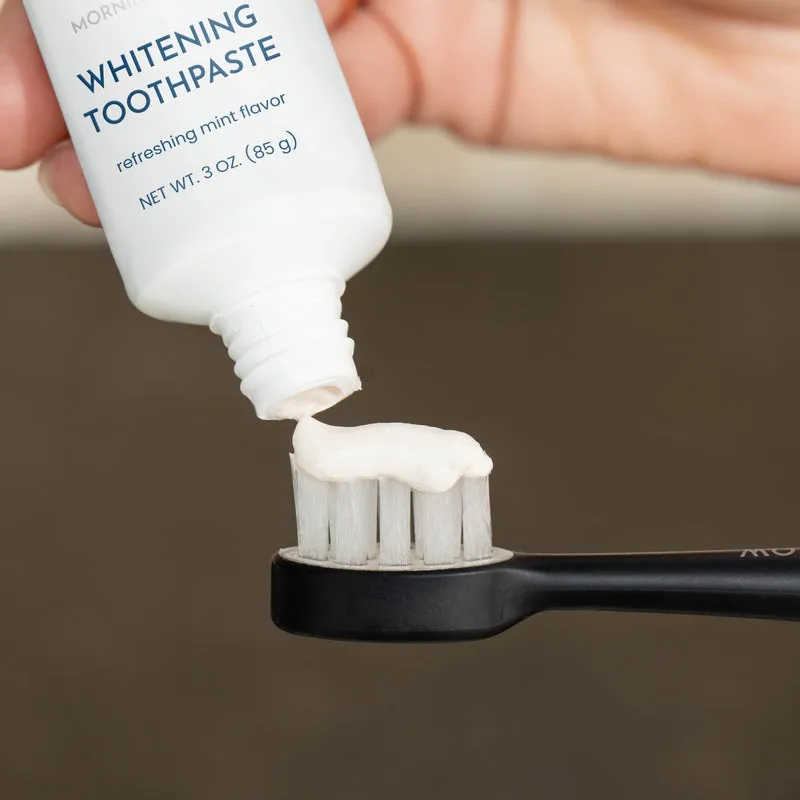
What Is Whitening Toothpaste
Whitening toothpaste is a type of oral hygiene product designed to help remove surface stains from your teeth, leading to a brighter smile. Unlike professional teeth whitening treatments, whitening toothpaste typically contains mild abrasives and chemical agents that work to gently scrub away stains caused by food, drinks, and other factors. It’s an accessible and affordable way to enhance your smile, but it’s essential to understand how it works and what to expect from its use. The effectiveness of whitening toothpaste can vary depending on the specific product and the type of stains you have. Some formulations also include ingredients that can help to prevent new stains from forming, contributing to long-term maintenance of your teeth’s brightness.
How Whitening Toothpaste Works
Whitening toothpaste works through a combination of abrasive action and chemical reactions. The abrasives gently polish the tooth surface, removing stains and revealing the natural color of your teeth. Common abrasives include hydrated silica, calcium carbonate, and dicalcium phosphate. Additionally, some whitening toothpastes contain chemical agents, such as hydrogen peroxide or other peroxides, which help to oxidize stain molecules, breaking them down and making them less visible. These agents penetrate the enamel to a limited extent, unlike professional whitening treatments that use much higher concentrations. The overall effect is a gradual lightening of the teeth over time, with results varying based on the product and your individual oral health.
Key Ingredients in Whitening Toothpaste

Several key ingredients are found in most whitening toothpastes, each playing a role in the whitening process. Abrasives are the primary stain removers, physically scrubbing the tooth surface. Fluoride is included to strengthen enamel and prevent cavities, which is crucial because the whitening process can sometimes make teeth more sensitive. Peroxides, such as hydrogen peroxide, are oxidizing agents that break down stain molecules. Pyrophosphates are sometimes added to help prevent new stains from forming by inhibiting the build-up of tartar and calcium phosphate. Other ingredients include detergents for cleaning, flavoring agents to improve taste, and thickening agents to give the toothpaste its texture. The specific combination and concentration of these ingredients determine the toothpaste’s effectiveness and potential side effects.
Types of Whitening Toothpaste
Whitening toothpastes come in various types, each offering different benefits and suited to different needs. Some are designed for general whitening, suitable for individuals without specific oral health issues. Others are formulated for sensitive teeth, containing ingredients that reduce irritation. There are also toothpastes that focus on stain removal, targeting coffee, tea, or tobacco stains. Certain products might combine whitening with other benefits, such as cavity protection, enamel strengthening, or breath freshening. The choice of the right type of toothpaste depends on your individual oral health and preferences. It’s always a good idea to consult with your dentist to determine which type is best for you. Some products also offer natural or herbal formulations for those seeking alternative options.
Whitening Toothpaste for Different Needs
Different needs require different approaches to whitening toothpaste selection. For those with sensitive teeth, choose toothpastes with lower abrasive levels and ingredients like potassium nitrate, which helps reduce sensitivity. If you have specific stain concerns, such as from coffee or smoking, look for toothpastes specifically designed for stain removal. If you’re prone to cavities, opt for products with a high fluoride content to strengthen your enamel. Consider your overall oral health and any existing conditions when making your choice. If you are pregnant or have any medical conditions, consult with your dentist before use. Carefully read labels to understand the ingredients and how they align with your specific needs.
How to Choose the Right Whitening Toothpaste

Choosing the right whitening toothpaste involves considering several factors. First, assess your teeth’s sensitivity level and choose a toothpaste that caters to that. Look for products with a low Relative Dentin Abrasivity (RDA) value to minimize abrasion. Consider the type of stains you have and select a toothpaste formulated to tackle those specific issues. Review the ingredient list to ensure it aligns with your preferences and any potential allergies. Check for certifications from dental associations like the American Dental Association (ADA) for added assurance of safety and effectiveness. Read customer reviews to understand others’ experiences. Always consult your dentist for personalized recommendations, as they can assess your oral health and recommend the best toothpaste for you.
Factors to Consider
Several factors should guide your choice of whitening toothpaste. The RDA value indicates the abrasiveness; lower values are gentler. Check the presence and concentration of active whitening agents like peroxides, but keep in mind that higher concentrations can increase sensitivity. Examine the list of ingredients for potential allergens or substances you want to avoid. Evaluate the price and consider the value for money, considering the product’s size and the expected results. The taste and texture of the toothpaste are important to ensure you’ll use it regularly. Read reviews to get insights into how effective the product is, and note any reported side effects. Think about additional features, such as cavity protection or breath freshening, to choose a toothpaste that meets multiple needs.
Sensitivity Concerns
Sensitivity is a common side effect of using whitening toothpaste. The abrasives and chemical agents can temporarily irritate the enamel, leading to discomfort. If you have sensitive teeth, choose toothpastes with lower RDA values and formulations specifically designed for sensitivity. Look for ingredients like potassium nitrate, which helps to desensitize the nerves in your teeth. Start using whitening toothpaste gradually, increasing the frequency as your teeth adjust. Avoid using whitening toothpaste immediately after consuming acidic foods or drinks, as this can increase sensitivity. Always consult your dentist if sensitivity persists or worsens. They can suggest alternative products or treatments to alleviate the issue, such as fluoride treatments or desensitizing toothpaste.
Effectiveness and Expectations

The effectiveness of whitening toothpaste varies based on the product and your individual circumstances. It’s crucial to have realistic expectations. Whitening toothpaste generally removes surface stains, but it cannot significantly alter the natural color of your teeth. Results are usually gradual, with noticeable improvements appearing over several weeks or months of regular use. The type and severity of stains also affect the outcome; tougher stains might require professional treatments. For best results, use the toothpaste consistently, following the manufacturer’s instructions. Understand that whitening toothpaste is most effective when used in conjunction with good oral hygiene practices, such as regular brushing, flossing, and dental checkups. If you’re not seeing the desired results, consult your dentist about alternative or supplemental treatments.
Best Practices for Using Whitening Toothpaste
To get the most out of your whitening toothpaste, adhere to best practices. Brush your teeth for the recommended two minutes, twice a day, using a soft-bristled toothbrush. Ensure you brush all surfaces of your teeth, including the back and chewing surfaces. Use a pea-sized amount of toothpaste to avoid excessive abrasion. Rinse your mouth thoroughly after brushing to remove any lingering toothpaste. For optimal results, pair your whitening toothpaste with regular flossing and a mouthwash. If you experience sensitivity, avoid brushing too hard or too frequently. Consider using a desensitizing toothpaste alongside your whitening toothpaste. Store your toothpaste properly to maintain its effectiveness. Following these practices will maximize the benefits of whitening toothpaste and enhance your overall oral hygiene.
Brushing Techniques
Effective brushing techniques are essential for getting the most out of your whitening toothpaste and maintaining overall oral health. Hold your toothbrush at a 45-degree angle to your gum line and use gentle, circular motions. Brush each tooth for several seconds, ensuring you reach all surfaces. Don’t scrub aggressively, as this can damage your enamel and gums. Brush your tongue to remove bacteria and freshen your breath. Replace your toothbrush every three months or sooner if the bristles become frayed. Consider using an electric toothbrush, which often provides more consistent and effective cleaning. Make sure you brush both in the morning and before going to bed. Correct brushing techniques are as important as the toothpaste itself in achieving a brighter smile and healthy teeth.
Frequency of Use

The frequency of using whitening toothpaste is typically twice daily, in line with general dental hygiene recommendations. However, the ideal frequency can vary depending on the toothpaste’s formula and your individual needs. Some toothpastes are designed for daily use, while others may recommend using them a few times a week to minimize sensitivity. Always follow the manufacturer’s instructions on the packaging. If you experience increased sensitivity, consider reducing the frequency of use or alternating with a regular toothpaste. Consult with your dentist if you have any specific concerns or are unsure about the best frequency for your situation. Consistent, proper use is the key to achieving and maintaining a brighter smile without causing harm to your teeth or gums.
Complementary Products
To complement your whitening toothpaste, consider using other oral hygiene products. A fluoride mouthwash can help strengthen enamel and protect against cavities. Dental floss is essential for removing plaque and food particles from between your teeth. A tongue scraper can remove bacteria and improve breath freshness. For an added whitening boost, some people use whitening strips or gels periodically, but be sure to follow instructions carefully to avoid overuse. If you have specific concerns like gum inflammation or dry mouth, consult your dentist about specialized products to help maintain and boost the whitening effects from the toothpaste. Using a combination of products will maximize your results and help you achieve and maintain a healthy, bright smile.
Potential Side Effects and Solutions
While whitening toothpaste can offer a brighter smile, it’s important to be aware of potential side effects and how to manage them. Sensitivity is a common issue, which can be addressed by choosing a toothpaste for sensitive teeth or using a desensitizing toothpaste alongside your whitening product. Gum irritation is another potential problem. Reduce irritation by using a soft-bristled toothbrush and brushing gently. In rare cases, some people may experience allergic reactions to ingredients in the toothpaste. If you notice any unusual symptoms, stop using the product and consult your dentist. Regular dental checkups help to monitor for any adverse effects and keep your oral health in good shape. Understanding the potential side effects and having solutions ready will help you enjoy a brighter smile without compromising your health.
Common Side Effects

Several side effects are commonly associated with whitening toothpaste. The most frequent is increased tooth sensitivity, which can manifest as discomfort when consuming hot or cold foods and drinks. Gum irritation can also occur, especially if you brush too aggressively or use a toothpaste with harsh ingredients. In some cases, minor soft tissue irritation may occur. If you notice any unusual changes in your mouth, such as sores or blisters, stop using the product and consult your dentist. The specific ingredients and the way you use the toothpaste influence these side effects. Staying informed about the potential issues and being ready with solutions will help you minimize the adverse effects while whitening your teeth.
Solutions and Alternatives
If you experience side effects from using whitening toothpaste, several solutions and alternatives are available. For sensitivity, use a toothpaste designed for sensitive teeth, which contains ingredients to reduce discomfort. Reduce the frequency of use or alternate with a regular toothpaste. Use a soft-bristled toothbrush and brush gently to minimize abrasion. Consider using a fluoride rinse to strengthen your enamel. If gum irritation occurs, make sure you are brushing correctly. If sensitivity or irritation persists, consult your dentist for personalized recommendations. They may suggest professional whitening treatments or other alternative options. There are also alternative teeth whitening methods, such as professional treatments like laser whitening, that are available in dental offices.
Maintaining Your Bright Smile
Maintaining a bright smile requires ongoing care and attention. Continue brushing twice daily with whitening toothpaste or a toothpaste recommended by your dentist. Floss daily to remove plaque and prevent stains. Avoid or limit foods and drinks known to cause stains, such as coffee, tea, red wine, and dark-colored berries. Rinse your mouth with water after consuming these items. Schedule regular dental checkups and professional cleanings to remove plaque and address any issues before they worsen. Use a straw when drinking beverages that stain your teeth. Consider at-home touch-up whitening treatments as directed by your dentist to help maintain your results. Consistent effort in maintaining your oral hygiene will help keep your smile bright for a long time to come.
Dietary Considerations
Your diet plays a significant role in maintaining your bright smile. Certain foods and drinks can stain your teeth and diminish the effectiveness of whitening toothpaste. Limit consumption of coffee, tea, red wine, and dark-colored juices. Avoid tobacco products, as they cause significant staining. Incorporate foods known to help clean teeth naturally, such as apples, carrots, and celery. These crunchy foods help remove surface stains. Drink plenty of water throughout the day, as this helps rinse away food particles and prevent stains. Eating a balanced diet rich in fruits, vegetables, and dairy products promotes overall oral health. Be mindful of the impact of your food choices on your teeth, and make informed decisions to protect and maintain your bright smile.
Regular Dental Checkups
Regular dental checkups are crucial for maintaining a bright and healthy smile. Your dentist can professionally clean your teeth, removing plaque and tartar that brushing alone can’t eliminate. They can also assess your overall oral health, identifying any potential issues like cavities or gum disease early on. During a checkup, your dentist can recommend the best whitening treatments and products for your needs. They can also provide personalized advice on proper brushing techniques, flossing, and dietary habits. Regular checkups allow you to address any concerns promptly and prevent them from becoming more serious. Schedule appointments at least every six months, or as recommended by your dentist. This proactive approach is essential for keeping your teeth healthy and your smile bright.
Conclusion
Whitening toothpaste can be a valuable tool for enhancing your smile, but it’s important to use it correctly and have realistic expectations. By understanding how it works, choosing the right product for your needs, and practicing good oral hygiene habits, you can achieve noticeable results. Be aware of potential side effects like sensitivity and take steps to mitigate them. Combine whitening toothpaste with a healthy diet, regular dental checkups, and professional cleanings to keep your teeth bright and your smile healthy. Consistent effort and attention to your oral health will help you maintain a beautiful smile for years to come. Remember to consult your dentist for personalized advice and recommendations to achieve the best results safely and effectively.