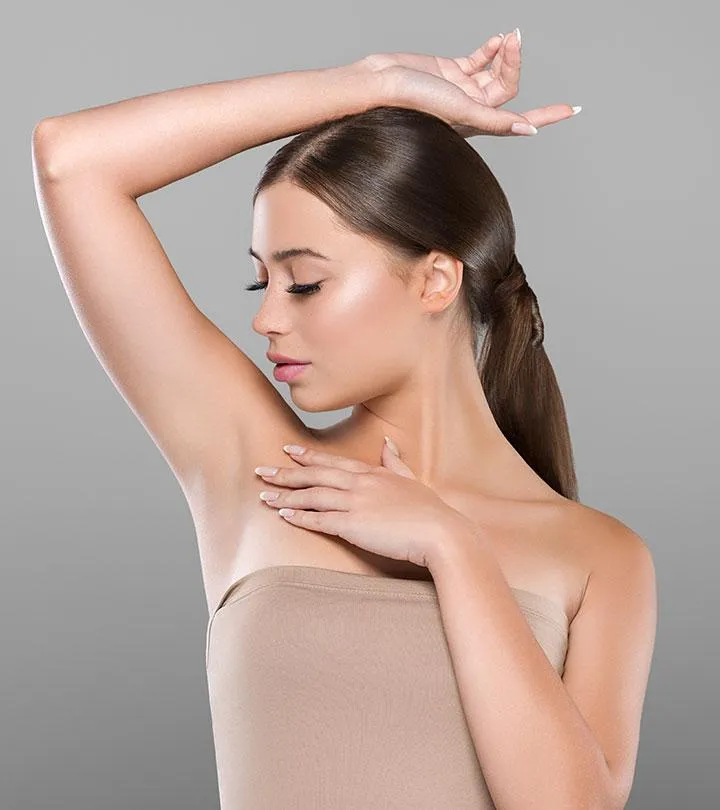
What is Underarm Whitening
Underarm whitening is a cosmetic procedure or treatment designed to lighten the skin tone in the underarm area. This process aims to reduce the appearance of dark spots, discoloration, or hyperpigmentation, which can be caused by a variety of factors. The goal is to achieve a brighter, more even skin tone, improving the aesthetic appearance of the underarms. It’s often sought after for cosmetic reasons, with many individuals desiring a smoother, more uniform skin complexion. The methods used can range from over-the-counter products to professional treatments offered by dermatologists and skincare specialists. The effectiveness varies depending on the cause and severity of the discoloration, as well as the chosen treatment method.
Causes of Dark Underarms
Several factors contribute to the darkening of underarms, including both internal and external influences. Understanding these causes is essential for selecting the right treatment or prevention strategies. Common factors include friction from clothing, which can lead to irritation and inflammation, subsequently causing hyperpigmentation. The use of certain deodorants and antiperspirants containing harsh chemicals, alcohol, or fragrances can also irritate the skin, leading to discoloration. Moreover, hormonal changes, such as those occurring during pregnancy or due to conditions like polycystic ovary syndrome (PCOS), can impact melanin production and cause darkening. Genetics play a role, with some individuals being predisposed to darker skin tones in certain areas. Lastly, underlying medical conditions, such as acanthosis nigricans, can be a significant cause.
Hyperpigmentation Explained

Hyperpigmentation is a common skin condition characterized by the darkening of an area of skin due to an increase in melanin, the pigment responsible for skin color. In the context of underarms, this means an excessive amount of melanin is produced, leading to darker patches. This can result from inflammation, injury, or other triggers that stimulate melanocytes, the cells that produce melanin. The severity and appearance of hyperpigmentation can vary, from mild darkening to more pronounced patches. It is not usually a serious medical condition, but it can be a cosmetic concern. Understanding the underlying cause of hyperpigmentation is vital, since the right treatment depends on the cause.
Common Causes
Several common factors contribute to underarm hyperpigmentation. Frequent shaving can cause irritation, leading to inflammation and, consequently, increased melanin production. Using harsh or irritating deodorants and antiperspirants can damage the skin, resulting in a similar effect. Excessive sweating, particularly if the sweat contains chemicals or irritants, can exacerbate the problem. Certain medical conditions, such as acanthosis nigricans, which is often associated with insulin resistance, can also manifest as darkened patches in the underarms. Friction from tight clothing can irritate the skin, leading to inflammation and discoloration. These factors often work together to increase the likelihood of hyperpigmentation.
Other Contributing Factors
Beyond the common causes, other factors can contribute to the darkening of underarms. Genetic predisposition plays a role, with some individuals naturally having more melanin. Hormonal imbalances, such as those related to pregnancy, PCOS, or thyroid disorders, can affect melanin production. Certain medications may also cause hyperpigmentation as a side effect. Poor hygiene, including infrequent washing or improper cleansing, can lead to buildup of dead skin cells and products, which can contribute to the appearance of darkness. Moreover, obesity and diabetes can increase the likelihood of developing acanthosis nigricans, a condition characterized by dark, velvety patches of skin. Taking all factors into account is essential for a comprehensive approach to underarm whitening.
Whitening Underarm Products Review

Many products are available to lighten underarms, ranging from over-the-counter creams and serums to more specialized treatments. These products typically work by inhibiting melanin production or by promoting exfoliation to remove darkened skin cells. The effectiveness of these products can vary, and it is important to choose those appropriate for your skin type and the cause of your discoloration. When reviewing products, considering the active ingredients, such as kojic acid, arbutin, and vitamin C, is essential. User reviews and recommendations can provide insights into the performance of products and potential side effects. It’s recommended to start with a patch test to ensure that the product doesn’t cause irritation or an allergic reaction.
Top Ingredients to Look For
Several key ingredients are known for their effectiveness in underarm whitening products. Kojic acid, derived from fungi, inhibits melanin production and is a common ingredient in lightening creams. Arbutin, a natural derivative of hydroquinone, also reduces melanin production. Vitamin C, a potent antioxidant, can brighten the skin and protect against further damage. Niacinamide, a form of vitamin B3, can improve skin tone and reduce inflammation. Lactic acid and glycolic acid, which are alpha-hydroxy acids (AHAs), exfoliate the skin, helping remove dead cells and revealing lighter skin underneath. When choosing a product, look for a combination of these ingredients for the best results. Always check for the concentration of active ingredients and consider your skin’s sensitivity.
Effectiveness of Creams and Serums
The effectiveness of creams and serums varies based on the active ingredients, their concentrations, and the consistency of use. Products containing kojic acid, arbutin, and vitamin C can be highly effective in reducing melanin production and brightening the skin. AHAs, such as lactic and glycolic acids, can provide noticeable exfoliation and improve skin texture. Regular and consistent application is crucial for achieving the desired results. It is important to be patient, as it may take several weeks or months to see significant improvement. The effectiveness also depends on the underlying cause of the darkening. Products work best on mild to moderate hyperpigmentation. For more severe cases, professional treatments might be necessary.
Considerations for Product Selection

When selecting underarm whitening products, several factors should be considered. Skin sensitivity is essential; individuals with sensitive skin should avoid products containing harsh ingredients or high concentrations of acids. The product’s formulation should be appropriate for your skin type, whether dry, oily, or combination. Always read the product label carefully and ensure it contains ingredients known to be effective for skin lightening. Look for products that are fragrance-free and hypoallergenic to minimize the risk of irritation. Consider the reviews and recommendations from other users, but keep in mind that individual results can vary. Always perform a patch test before widespread use to check for any adverse reactions. Consult with a dermatologist if you have any concerns or if you have sensitive skin.
At Home Remedies for Underarm Whitening
Besides commercial products, several home remedies can help lighten underarms. These methods are typically gentler and often involve readily available ingredients. Consistency is key to achieving noticeable results. However, it’s important to be cautious and monitor for any signs of irritation. Combining these home remedies with a proper skincare routine can significantly improve the appearance of underarms. Home remedies are often a cost-effective way to start addressing skin discoloration, and they can be a great starting point or supplementary treatment alongside other methods.
Exfoliation Techniques
Exfoliation is a crucial step in underarm whitening, as it removes dead skin cells that can contribute to darkness. Gentle exfoliation techniques include using a loofah, a gentle scrub, or a washcloth to physically remove dead skin. Chemical exfoliation, using products containing AHAs like lactic or glycolic acid, can also be effective. It is important to exfoliate regularly, but not too frequently, as over-exfoliation can cause irritation and worsen the problem. Always moisturize the underarms after exfoliating. Exfoliating once or twice a week is usually sufficient, depending on your skin’s sensitivity. Always opt for gentle scrubs to avoid damaging the delicate skin in the underarm area.
Natural Ingredients and Masks

Several natural ingredients can be used to create lightening masks and treatments. Lemon juice contains citric acid, which can act as a natural bleaching agent, but it can also be irritating, so use it with caution. Yogurt contains lactic acid and can help exfoliate and brighten the skin. Turmeric has anti-inflammatory and antioxidant properties. Mix these ingredients with a little bit of honey or other soothing ingredients to create a mask. Apply the mask to your underarms and let it sit for about 15-20 minutes before rinsing it off. It’s important to do a patch test first, and avoid using lemon juice if you have sensitive skin. Regular use of these natural masks can contribute to a brighter, more even skin tone over time.
Professional Treatments for Underarm Whitening
Professional treatments often offer more effective and faster results compared to home remedies or over-the-counter products. These treatments are typically performed by dermatologists or trained skincare professionals. They can address more severe cases of hyperpigmentation or offer options that aren’t available for home use. However, these treatments can be more expensive and may require multiple sessions to achieve the desired results. It’s essential to consult with a qualified professional to determine the most suitable treatment for your specific needs. They can assess the cause of the discoloration and recommend an effective and safe plan of action.
Chemical Peels
Chemical peels involve applying a chemical solution to the skin to exfoliate and promote cell turnover. This process helps remove the top layer of skin, which can contain darkened pigment. There are different types of chemical peels, from mild to deep, using ingredients like glycolic acid, trichloroacetic acid (TCA), or salicylic acid. The choice of peel depends on the severity of the hyperpigmentation and your skin type. After a chemical peel, your skin will be more sensitive to sunlight, and it’s essential to follow aftercare instructions, including using sunscreen. Multiple sessions may be required for optimal results. The downtime and recovery time depend on the type of peel used.
Laser Therapy

Laser therapy uses focused beams of light to target and break down melanin in the skin. Different types of lasers, such as Q-switched lasers, are commonly used for skin lightening. The laser energy is absorbed by the melanin, causing it to shatter and be removed by the body’s natural processes. Laser treatments are often more effective than creams or home remedies, particularly for deep-seated pigmentation. Multiple sessions are usually required to achieve the desired results, and the number of sessions will depend on the severity of the pigmentation. After the treatment, you may experience some redness and swelling, and you will need to avoid sun exposure. Laser therapy provides a more targeted and controlled approach to underarm whitening.
Other Professional Options
Other professional treatments include microdermabrasion, which uses a device to exfoliate the skin and remove dead cells, and intense pulsed light (IPL) therapy, which targets pigment with light pulses. Microdermabrasion can be a gentle option for removing the outer layer of skin. IPL therapy, similar to laser therapy, can target melanin. The choice of treatment will depend on the dermatologist’s assessment. These treatments often offer faster results than home remedies. Consulting a professional will allow you to find the best solution for your specific needs.
Tips to Maintain Whitened Underarms
Maintaining lighter underarms requires a consistent skincare routine and preventative measures. Once you have achieved your desired skin tone, it is essential to keep up the treatments and habits that helped you get there. This involves avoiding the factors that contributed to the darkening in the first place. Regular maintenance helps prevent the recurrence of hyperpigmentation and ensures that your skin remains bright and even-toned. Consistency is key, and making these habits part of your daily routine will contribute to long-term success.
Preventative Measures

Several preventative measures can help prevent the darkening of underarms. Choosing gentle deodorants and antiperspirants that are free of harsh chemicals and fragrances is crucial. Avoiding tight-fitting clothing that can cause friction is essential. Shaving less frequently or switching to alternative hair removal methods like waxing or laser hair removal can reduce irritation. Regular exfoliation, combined with the use of whitening products, will also help prevent buildup and hyperpigmentation. Maintaining good hygiene, including washing the underarms daily, also contributes to keeping your skin healthy. By following these measures, you can reduce the chance of hyperpigmentation.
Long-Term Skincare Routine
A long-term skincare routine is essential to maintain the results of underarm whitening treatments. This routine should include regular exfoliation, using gentle scrubs or chemical exfoliants like AHAs. Following up with a moisturizing lotion is crucial, especially after exfoliation, to keep the skin hydrated. Continue using lightening products containing active ingredients such as kojic acid or vitamin C as directed. Protect the underarm skin from sun exposure by wearing loose-fitting clothing, as sunlight can darken the area. Consistency is key to maintaining a brighter skin tone. Keeping up a routine can ensure your underarms stay bright.