Understanding Invisalign Attachments and Whitening
Achieving a brighter smile while undergoing Invisalign treatment is a common goal for many. Whitening with Invisalign attachments presents a unique set of considerations compared to traditional whitening methods. This guide explores the intricacies of safely and effectively whitening your teeth when using Invisalign, providing a comprehensive overview of the process, from initial consultation to aftercare. It’s essential to understand how Invisalign attachments interact with the whitening process to achieve optimal results and maintain your oral health throughout your treatment. This ultimate guide will navigate you through all the necessary steps, ensuring you can confidently brighten your smile while straightening your teeth.
What are Invisalign Attachments
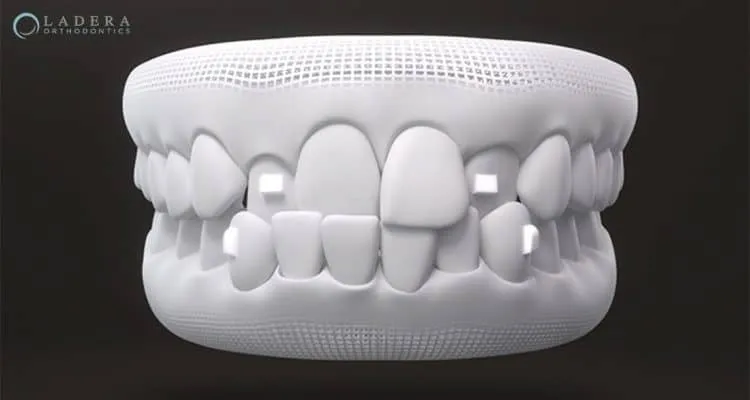
Invisalign attachments are small, tooth-colored shapes that are bonded to your teeth. These attachments serve as anchors, providing Invisalign aligners with something to grip, enabling the aligners to apply the necessary force to move teeth into their desired positions. They can be made of composite resin and are designed to blend seamlessly with your teeth. The number and placement of attachments vary depending on the complexity of your treatment plan. Understanding their purpose is crucial, as they can affect how whitening products interact with your enamel. Attachments help with a variety of tooth movements, including rotation, intrusion, and extrusion, which are critical for achieving a properly aligned smile. Without attachments, the effectiveness of Invisalign treatment could be significantly reduced.
The Role of Attachments in Whitening
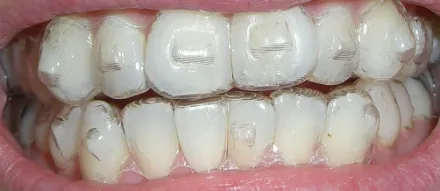
Attachments can present challenges when it comes to teeth whitening. They act as barriers, preventing the whitening agents from reaching the entire surface of the tooth evenly. This can lead to uneven whitening, where the areas covered by attachments appear less bright than the exposed tooth surfaces. Because the attachments are bonded to the teeth, the whitening process can be slightly more complex than when using traditional methods. It’s important to consider the timing and method of whitening in relation to the presence of attachments. Proper planning with your dentist or orthodontist is vital to ensure the best possible outcomes, minimizing the risk of any aesthetic compromises to your smile during and after your Invisalign treatment.
Preparing for Whitening with Invisalign Attachments
Before starting any whitening treatment with Invisalign attachments, thorough preparation is key. This includes a detailed consultation with your orthodontist or dentist, discussing your goals, and assessing the current state of your teeth and attachments. Professional cleaning is often recommended to remove any plaque or tartar buildup, ensuring the whitening agents can effectively penetrate the enamel. Your dentist will evaluate the condition of your attachments and advise on the most suitable whitening approach. It’s also wise to address any existing dental issues like cavities or gum disease before starting whitening. Proper preparation lays the foundation for a successful and satisfying whitening experience while undergoing Invisalign treatment.
Consulting Your Orthodontist and Dentist
The first and most important step is to consult with both your orthodontist and your dentist. Your orthodontist is intimately familiar with your Invisalign treatment plan, the location and type of your attachments, and how these factors could influence your whitening results. Your dentist can assess the health of your teeth, provide professional cleanings, and advise on the most appropriate whitening methods for your individual needs. They can also monitor the process, ensuring there are no adverse effects on your teeth or gums. Open communication between your orthodontist and dentist is vital to coordinate your whitening efforts with your Invisalign treatment schedule, maximizing the chances of achieving your desired outcomes.
Choosing the Right Whitening Method

Several whitening methods are available, and the best option for you will depend on your specific situation and the advice of your dentist or orthodontist. At-home whitening kits, which typically involve custom-fitted trays and whitening gel, are a popular choice. Professional whitening treatments, performed by your dentist, offer a more concentrated whitening solution and faster results. The choice should consider the presence of attachments and their potential impact on even whitening. Some whitening systems are designed to work with Invisalign, using the aligners themselves as trays for the whitening gel. It is essential to select a method that is safe for use with attachments, minimizing the risk of enamel damage or uneven results.
At-Home Whitening Options with Attachments
At-home whitening kits can be convenient, but it’s crucial to choose products specifically designed for use with Invisalign. Your dentist may recommend custom-fitted trays that fit over your teeth and aligners, allowing for the even distribution of whitening gel. Be sure to follow the instructions provided with your chosen product and your dentist’s guidance. Always remove your aligners before applying the whitening gel, and clean your teeth thoroughly before reinserting your aligners. Over-the-counter whitening strips and toothpastes can be used, but they may not be as effective when attachments are present and can lead to uneven results. Regular monitoring is essential to ensure the whitening process does not negatively impact your teeth or attachments.
Professional Whitening Treatments
Professional teeth whitening offers the most effective and controlled results. Your dentist can perform in-office whitening treatments using a higher concentration of whitening agents, often combined with the use of a special light or laser to accelerate the process. They can carefully apply the whitening solution, ensuring it reaches as much of the tooth surface as possible, minimizing the impact of attachments. Professional whitening also allows your dentist to monitor your teeth for any sensitivity or adverse reactions. In-office treatments usually provide quicker and more dramatic results than at-home options. Discussing professional whitening with your dentist is advisable to determine if it is the right choice for your individual needs and circumstances.
The Whitening Process with Attachments

The whitening process with Invisalign attachments requires careful planning and execution. Whether you opt for at-home or professional treatment, the process begins with an assessment of your teeth and attachments. For at-home whitening, your dentist will provide you with detailed instructions on how to apply the whitening gel, how long to wear the trays, and how often to repeat the process. With professional whitening, your dentist will protect your gums and apply the whitening agent directly to your teeth. Throughout the process, you should carefully monitor your teeth for any signs of sensitivity or other adverse effects. Consistency and adherence to the recommended guidelines will help you achieve the best possible results while maintaining the integrity of your attachments.
Step-by-Step Guide to Whitening
- Consultation Schedule consultations with both your orthodontist and dentist. Discuss your goals and the health of your teeth.
- Professional Cleaning Get your teeth professionally cleaned to remove plaque and tartar.
- Choose a Whitening Method Decide on at-home or professional whitening, based on your dentist’s recommendation.
- At-Home Whitening Use custom-fitted trays and whitening gel as directed, removing your aligners first.
- Professional Whitening Undergo in-office treatment by your dentist.
- Monitor Results Regularly assess the color of your teeth and watch for any sensitivity or changes.
- Follow-Up Schedule follow-up appointments with your dentist to evaluate your progress and address any concerns.
Ensuring Optimal Results
To maximize the effectiveness of teeth whitening while using Invisalign attachments, several factors need consideration. Proper application of whitening agents is essential, ensuring even coverage across the tooth surfaces. Compliance with the recommended treatment duration and frequency is also critical. Following your dentist’s instructions precisely minimizes the risk of complications. Maintaining a good oral hygiene routine, including regular brushing, flossing, and using mouthwash, will support your whitening efforts and keep your teeth healthy. Patience is important; whitening takes time, and it may take a few weeks or even months to achieve the desired results. Regular check-ups with your dentist allow for monitoring of progress and provide opportunities to adjust your approach if necessary.
Maintaining Your Bright Smile

Once you achieve your desired level of whiteness, maintenance is key to keeping your smile bright. Avoid foods and drinks that can stain your teeth, such as coffee, tea, red wine, and berries. Brushing and flossing regularly, especially after consuming staining substances, helps remove surface stains. Consider using a whitening toothpaste to maintain your results. Regular dental check-ups and cleanings are essential, as your dentist can remove any accumulated stains and provide professional touch-ups if needed. Following these simple steps will help you enjoy your whiter smile for years to come, ensuring the investment you have made in your teeth whitening is preserved.
Aftercare and Maintenance Tips
Proper aftercare is crucial to prolonging the effects of whitening. Avoid smoking and chewing tobacco, as these habits are major contributors to tooth discoloration. Drink plenty of water to stay hydrated and rinse away food particles. Use a straw when drinking beverages that can stain your teeth. Continue with regular brushing and flossing, and consider using a whitening mouthwash. Schedule regular dental check-ups to monitor your progress and address any concerns. The long-term success of your whitening treatment depends on your commitment to good oral hygiene and lifestyle choices.
Common Challenges and Solutions
Whitening with Invisalign attachments can present some common challenges, such as uneven whitening or increased tooth sensitivity. Uneven whitening may result when the attachments prevent the whitening agent from reaching the entire tooth surface. Your dentist may be able to apply the whitening gel more precisely, or, in severe cases, you may need to remove and reattach attachments after whitening. Sensitivity can be managed by using desensitizing toothpaste or fluoride treatments. If sensitivity persists, consult your dentist for further advice. Addressing these challenges promptly will ensure a positive experience and maintain a healthy and attractive smile. Your dentist and orthodontist can help you to navigate any difficulties and optimize your outcomes.
Sensitivity Issues and Remedies

Tooth sensitivity is a common side effect of teeth whitening. The whitening agents can temporarily make your teeth more sensitive to temperature and pressure. To alleviate sensitivity, use a desensitizing toothpaste containing potassium nitrate or fluoride. Avoid extremely hot or cold foods and drinks. Your dentist may also recommend a fluoride treatment to strengthen your enamel and reduce sensitivity. If the sensitivity is severe, your dentist may adjust the whitening regimen or recommend an alternative treatment. Communicating any discomfort to your dentist is essential so they can offer the best possible solution to keep your whitening process comfortable.
Uneven Whitening and How to Fix It
Uneven whitening can occur when the areas of your teeth covered by attachments appear less bright. Discuss this issue with your dentist or orthodontist. In some cases, your dentist may be able to apply more whitening gel around the attachments to improve the results. If the discrepancy is significant, your dentist may remove the attachments, whiten your teeth, and then reattach the attachments. Another option is to use a different whitening method that may provide more uniform coverage. Proper technique and planning are important to avoid uneven whitening, and adjustments may be needed throughout the process to achieve a consistent outcome.
Frequently Asked Questions about Whitening with Invisalign Attachments
Here are some common questions and answers regarding teeth whitening with Invisalign attachments:
- Is it safe to whiten with attachments? Yes, with proper guidance from your dentist and orthodontist.
- Will whitening affect my attachments? Whitening does not typically affect attachments, but it can lead to uneven results.
- How long do whitening results last? This varies depending on your habits, but the results typically last from several months to a few years.
- Can I use whitening strips with attachments? It is possible, but results may be less consistent.
- What if I experience sensitivity? Use desensitizing toothpaste and consult your dentist.
- Can I whiten before Invisalign treatment? Yes, but it is important to whiten before attachments are placed.
Is Whitening Safe with Attachments

Whitening is generally considered safe with Invisalign attachments when performed under the supervision of your dentist and orthodontist. Careful planning and adherence to their recommendations are essential. The main concern is the potential for uneven whitening or temporary sensitivity. By choosing appropriate whitening methods, using proper techniques, and monitoring for any adverse effects, you can safely whiten your teeth. Regular check-ups will allow your dentist to assess your progress and make any necessary adjustments to ensure the safety and effectiveness of your treatment.
How Long Does Whitening Last
The longevity of teeth whitening results varies. The duration depends on several factors, including the whitening method used, your lifestyle, and your oral hygiene habits. Professional whitening treatments tend to last longer than at-home methods. Avoiding stain-causing foods and drinks, such as coffee, tea, and red wine, can extend the results. Regular brushing, flossing, and dental check-ups also help to maintain your bright smile. With proper care, your whitening results can last from several months to several years. Periodic touch-ups or maintenance treatments may be necessary to maintain your desired level of whiteness.
Can I Use Over-the-Counter Whitening Products
Over-the-counter (OTC) whitening products can be used, but they may not be as effective when you have Invisalign attachments. Whitening strips and toothpastes are readily available, but the results might be less consistent due to the attachments. Consult your dentist for recommendations on the best OTC products to use and how to apply them properly. They might suggest specific products compatible with your Invisalign treatment. Always follow the instructions carefully and monitor your teeth for any sensitivity or uneven whitening. For the best results, consider using professional whitening treatments or at-home kits prescribed by your dentist.
Conclusion The Ultimate Guide to Whitening with Invisalign Attachments
Whitening your teeth while undergoing Invisalign treatment is achievable and can significantly enhance your smile. By understanding the role of attachments, choosing the right whitening method, and following the guidance of your dentist and orthodontist, you can achieve a brighter, more confident smile. Proper preparation, careful execution, and consistent aftercare are crucial for success. This ultimate guide has provided the necessary insights, tips, and recommendations to help you navigate the process. Remember to prioritize open communication with your dental professionals, maintain good oral hygiene, and enjoy the journey to a beautifully aligned and brilliantly white smile. With patience and care, you can confidently achieve the smile you’ve always wanted.