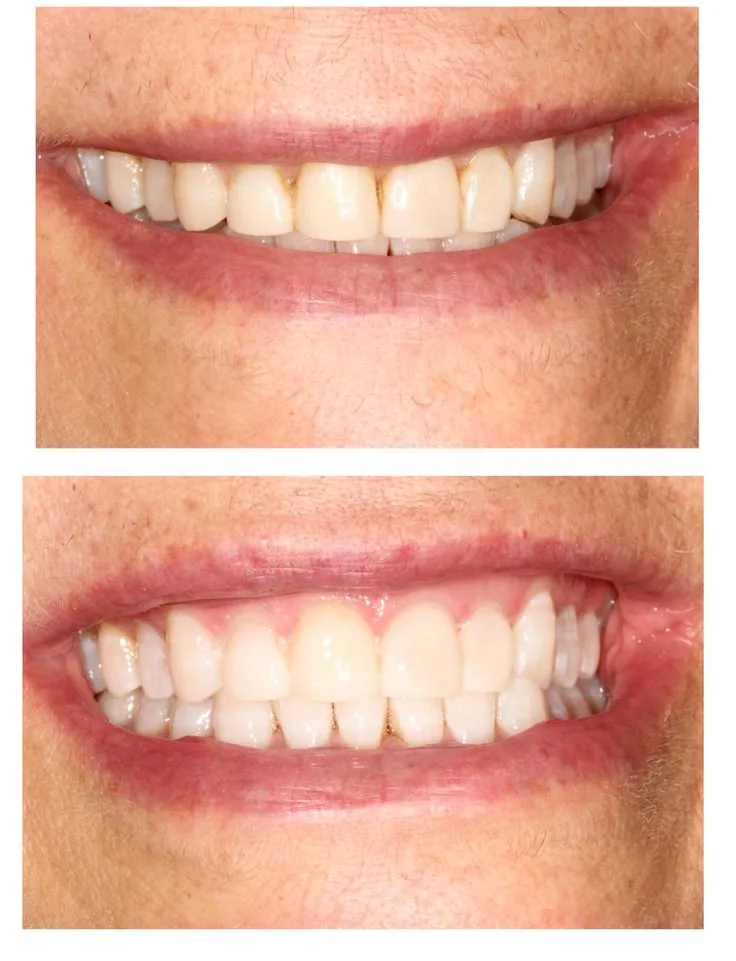
Understanding Zoom Whitening Side Effects
Zoom whitening is a popular and effective in-office teeth whitening procedure that can dramatically improve the brightness of your smile. While it offers impressive results in a relatively short amount of time, it’s essential to be aware of potential side effects. Understanding these effects is the first step in mitigating any discomfort and ensuring a positive whitening experience. Being informed allows you to make educated decisions and work closely with your dentist to manage any issues that may arise. The goal is to achieve a beautiful, brighter smile while minimizing any unpleasantness.
Common Side Effects of Zoom Whitening
Several side effects are frequently associated with Zoom whitening, and it’s important to recognize them. These effects are usually temporary and manageable, but awareness is key. Knowing what to expect can help you prepare and respond appropriately if you experience any discomfort. Your dentist will discuss these potential side effects with you, providing reassurance and guidance on how to handle them effectively. Many individuals experience only mild or no side effects, while others may encounter more noticeable sensations. The level of sensitivity often depends on individual factors such as existing dental conditions and the concentration of the whitening agent used.
Tooth Sensitivity

Tooth sensitivity is perhaps the most commonly reported side effect of Zoom whitening. This sensitivity typically manifests as a sharp, temporary pain or discomfort when exposed to hot, cold, sweet, or acidic foods and drinks. This happens because the whitening agent temporarily opens the pores in the enamel, allowing stimuli to reach the nerves in the teeth more easily. The intensity of sensitivity varies from person to person. To manage this, your dentist might recommend using desensitizing toothpaste before and after the procedure. Sensitivity usually subsides within a few days to a week after the whitening treatment as the enamel pores close.
Gum Irritation
Gum irritation, including redness or mild inflammation, can also occur after Zoom whitening. This often happens if the whitening gel comes into contact with the gums during the procedure. Dentists take precautions to protect the gums, such as using a protective barrier, but some irritation is still possible. Irritation is usually minor and resolves within a few days. Avoiding abrasive brushing and using a gentle toothbrush can help ease the discomfort. Your dentist may also suggest an anti-inflammatory mouthwash to soothe your gums and promote healing. In rare cases, more severe reactions could need professional attention.
Other Potential Side Effects
Although less common, other side effects may occur after Zoom whitening. These can include mild throat irritation, headaches, or a general feeling of unease. These symptoms are typically temporary and tend to disappear quickly. Some people may experience a slight change in the texture of their teeth, though this is usually temporary. If you experience any unusual or persistent symptoms, inform your dentist immediately. They can assess the situation and offer appropriate advice or treatment. It’s important to communicate any concerns you have to ensure a comfortable and successful whitening experience.
Minimizing Side Effects During Zoom Whitening

There are several steps you can take to reduce the likelihood and severity of side effects associated with Zoom whitening. Proactive measures both before and after the procedure can make a significant difference in your comfort level and the overall outcome. By following your dentist’s advice and taking care of your teeth, you can maximize your chances of a positive whitening experience. It is crucial to be forthcoming with your dentist about your dental history and any pre-existing sensitivities. Good communication ensures your dentist can tailor the treatment plan to your specific needs.
Consultation with Your Dentist
Before undergoing Zoom whitening, a thorough consultation with your dentist is essential. This consultation allows your dentist to assess your oral health and determine if you’re a suitable candidate for the procedure. Your dentist will examine your teeth and gums, discuss your expectations, and explain the potential side effects. They might also recommend dental cleaning to remove plaque and tartar, which can enhance the effectiveness of the whitening treatment. During the consultation, don’t hesitate to ask any questions or voice any concerns you have. Your dentist can offer personalized advice based on your unique needs and oral health profile.
Pre-Whitening Preparations
Preparing your teeth before the Zoom whitening treatment can significantly minimize side effects. Your dentist may suggest using a desensitizing toothpaste for a couple of weeks before the procedure. This toothpaste helps to block the pores in the enamel and reduce sensitivity. If you have any existing dental issues, such as cavities or gum disease, these should be addressed before whitening. Taking care of such issues ahead of time will help prevent complications during and after the procedure. Following your dentist’s recommendations for pre-whitening care will make the process more comfortable and improve your results.
Using Fluoride Treatments

Fluoride treatments can be an effective way to reduce tooth sensitivity after Zoom whitening. Fluoride strengthens tooth enamel and helps to close the pores that cause sensitivity. Your dentist may apply a fluoride varnish or recommend a fluoride mouthwash or gel for home use. These treatments can be used immediately after the whitening procedure and continued for a few days or weeks, depending on the level of sensitivity. Fluoride also helps protect against tooth decay, making it a valuable addition to your post-whitening care routine. Following your dentist’s advice on fluoride use will help you manage sensitivity and maintain the health of your newly whitened teeth.
Post-Whitening Care and Maintenance
Proper post-whitening care is crucial for both managing side effects and maximizing the longevity of your whitening results. Following the instructions provided by your dentist will ensure that you get the best possible outcome from the procedure. This includes oral hygiene practices, dietary considerations, and regular dental check-ups. Your dentist will give you specific guidelines on how to maintain your newly whitened smile. Adhering to these recommendations will help you to minimize side effects and enjoy your brighter smile for an extended period.
Following Aftercare Instructions
Your dentist will provide detailed aftercare instructions after your Zoom whitening treatment. It is crucial to follow these instructions diligently. This may involve using a specific toothpaste, avoiding certain foods and drinks, and maintaining excellent oral hygiene. Adhering to these instructions helps to reduce side effects and prevent staining. Keep the information provided by your dentist handy and refer to it regularly. If you have any questions, don’t hesitate to contact your dentist for clarification. Taking care of your teeth properly in the days and weeks following the treatment significantly impacts your results.
Avoiding Staining Foods and Drinks
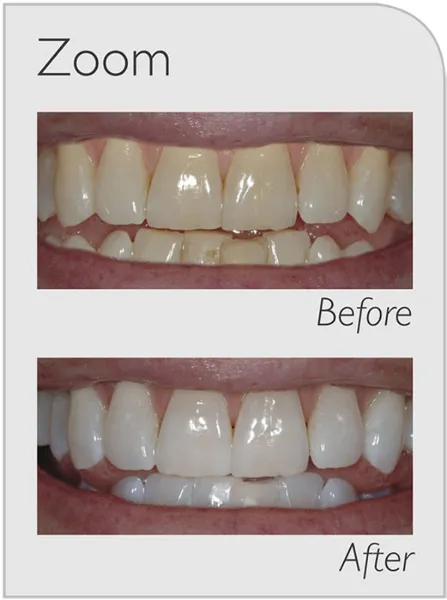
During the first few days after Zoom whitening, it’s essential to avoid foods and drinks that can stain your teeth. These include coffee, tea, red wine, dark-colored sodas, and deeply pigmented fruits and vegetables. White or clear foods and drinks are generally safe. Following a ‘white diet’ will help prevent staining and allow the whitening process to fully stabilize. If you’re unsure whether a food or drink is safe, it’s always best to err on the side of caution. After the initial period, you can gradually reintroduce these foods and drinks, but maintaining moderation is crucial for long-term results. Rinse your mouth with water after consuming any potentially staining foods or drinks.
Oral Hygiene Practices
Maintaining excellent oral hygiene is vital for keeping your teeth healthy and extending the life of your whitening results. Brush your teeth at least twice a day with a soft-bristled toothbrush and use fluoride toothpaste. Floss daily to remove plaque and food particles from between your teeth. Regular dental check-ups and cleanings are also essential. During these appointments, your dentist can identify any potential issues early and provide professional cleaning to remove any accumulated stains or tartar. Good oral hygiene habits will not only maintain your beautiful, bright smile but also contribute to your overall health.
When to Seek Professional Help
While most side effects of Zoom whitening are temporary and mild, there are times when you should seek professional help. Knowing when to contact your dentist ensures that you address any potential complications promptly. Early intervention can prevent minor issues from escalating and help you maintain your oral health. If you experience any unusual or concerning symptoms, don’t hesitate to seek advice from your dental professional. Prompt communication with your dentist ensures that any concerns are addressed efficiently, and you receive the appropriate care.
Contacting Your Dentist

If you have any questions or concerns about the side effects you are experiencing after Zoom whitening, contact your dentist. They are the best resource for addressing your specific needs. Describe your symptoms in detail and provide any relevant information. Your dentist can offer tailored advice and recommend appropriate treatments or adjustments. This could involve a review of your oral hygiene routine or suggestions for managing sensitivity. Regular communication with your dentist ensures a positive experience and long-term dental health.
Recognizing Serious Symptoms
Although rare, some symptoms might require immediate attention. If you experience severe pain, persistent gum bleeding, or any signs of infection, contact your dentist immediately. These could be indicators of a more serious problem. Also, if the sensitivity doesn’t subside within a week or two, it’s essential to consult your dentist. They can assess your situation and recommend appropriate measures. Recognizing and promptly addressing any serious symptoms protects your oral health and overall well-being. Early intervention often leads to the best outcomes.