What is Zoom Whitening?
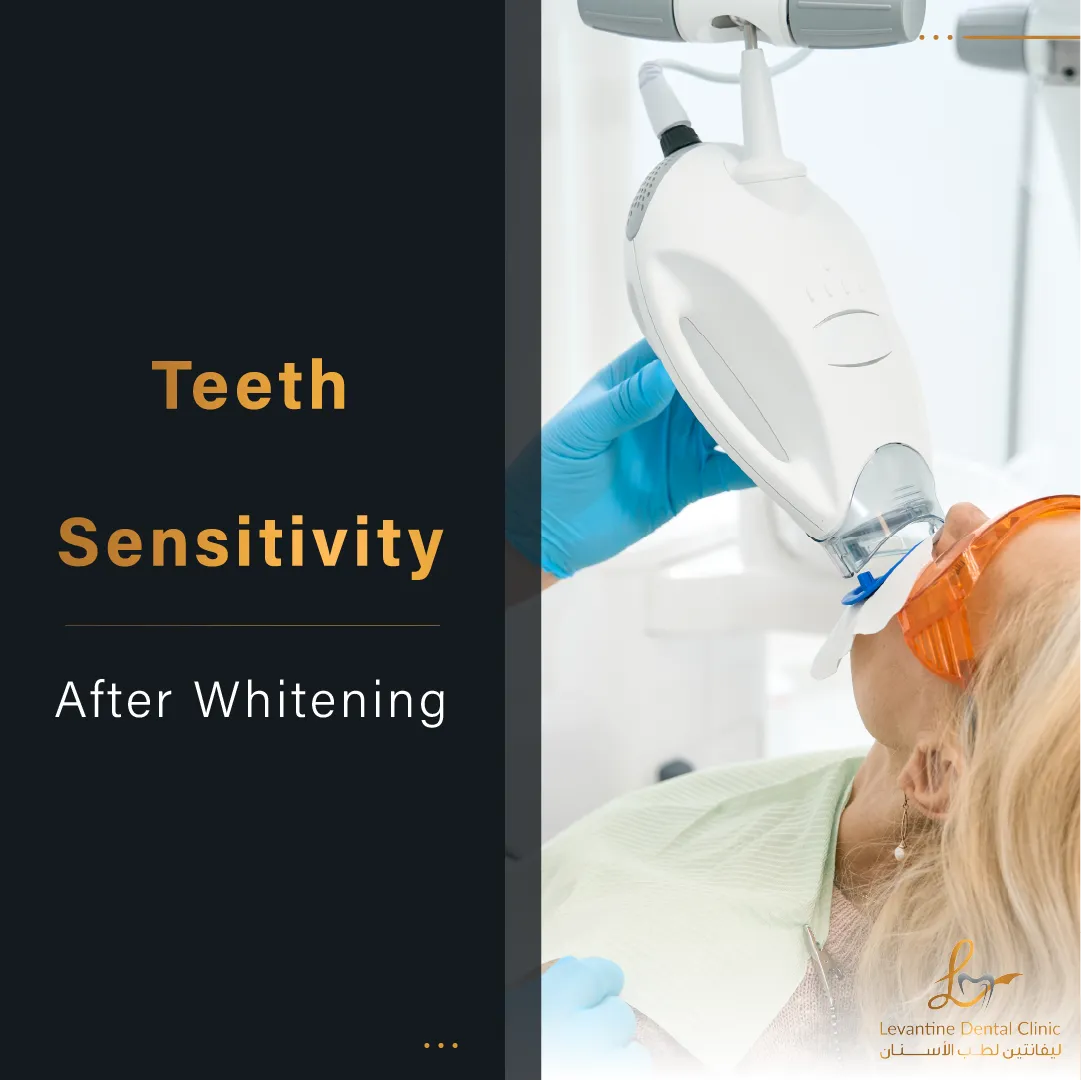
Zoom whitening is a popular and effective in-office teeth whitening procedure. It utilizes a professional-strength hydrogen peroxide bleaching agent, which is activated by a special blue LED light. This process is designed to significantly brighten teeth in a single appointment, making it a favorite for those seeking immediate results. The procedure is typically completed in about an hour, offering a convenient option for busy individuals aiming to enhance their smiles. The treatment can lift stains caused by coffee, tea, tobacco, and other substances, leaving teeth noticeably whiter and more radiant.
How Zoom Whitening Works
The Zoom whitening process starts with the dentist applying the high-concentration whitening gel to the teeth. The blue LED light is then directed at the teeth, accelerating the bleaching process. This light helps to break down the hydrogen peroxide, allowing it to penetrate the enamel and dentin, where it oxidizes the stain molecules. Throughout the procedure, the dentist will monitor the patient’s comfort and adjust the treatment as needed. The process is usually repeated in several 15-minute intervals to achieve the desired level of whitening. At the end of the procedure, the teeth are rinsed, and a fluoride treatment might be applied to reduce sensitivity.
The Whitening Process

The entire process usually involves a thorough dental examination and cleaning before the whitening treatment. The dentist will assess the patient’s oral health, ensuring there are no cavities or other dental issues that need attention before proceeding with the whitening. The gums are protected with a special barrier to prevent irritation from the bleaching agent. The whitening gel is meticulously applied to the teeth’s surface, and the LED light is positioned to activate it. After the session, the dentist will provide aftercare instructions, which are essential for maintaining the whitening results and minimizing sensitivity.
Why Does Zoom Whitening Cause Sensitivity?
Tooth sensitivity after Zoom whitening is a common side effect, primarily due to how the whitening process affects the teeth. The bleaching agent used in the procedure, typically a high concentration of hydrogen peroxide, can cause the dentin tubules, which are tiny channels that connect the enamel to the tooth’s nerve, to become temporarily inflamed. This inflammation can lead to increased sensitivity to hot, cold, sweet, or acidic foods and drinks. Several factors contribute to this sensitivity, including the concentration of the bleaching agent, the duration of the treatment, and the individual’s tooth structure and sensitivity levels.
Tooth Dehydration
During the Zoom whitening process, the teeth can experience a degree of dehydration. The bleaching agent can temporarily remove moisture from the enamel, making the teeth more porous and vulnerable. This dehydration can irritate the nerve endings within the tooth, causing increased sensitivity. Rehydration of the teeth usually occurs within a few days after the procedure. Drinking plenty of water can help to counteract this dehydration and ease the discomfort. Using a fluoride treatment immediately after whitening can also help remineralize the enamel and reduce sensitivity.
Enamel Porosity

Zoom whitening can make the enamel more porous, allowing the bleaching agent to penetrate deeper into the tooth structure. This increased porosity can also lead to sensitivity because it exposes the underlying dentin and nerve endings to external stimuli. The enamel’s structure is temporarily altered during the process. Over time, and with proper care, the enamel will re-mineralize and regain its natural density. Minimizing the intake of highly acidic foods and beverages immediately after whitening can help to protect the enamel and reduce the risk of sensitivity.
Hydrogen Peroxide
The primary active ingredient in the Zoom whitening gel is hydrogen peroxide, a powerful oxidizing agent. Hydrogen peroxide breaks down into water and oxygen, and the oxygen molecules penetrate the enamel to break down the stain molecules. The high concentration of hydrogen peroxide used in professional whitening treatments is effective but can also be irritating to the tooth’s nerve. The strength of the hydrogen peroxide is a significant factor in the level of sensitivity experienced by the patient. The dentist might adjust the concentration of the gel or the duration of the treatment to minimize any discomfort.
Top 5 Facts About Zoom Whitening Sensitivity
Understanding the facts about sensitivity after Zoom whitening can help patients manage their expectations and take appropriate steps to minimize any discomfort. Here are the top 5 facts to keep in mind:
Sensitivity is Common

Tooth sensitivity is a very common side effect of Zoom whitening. Most patients experience some degree of sensitivity, typically within the first few days after the procedure. The level of sensitivity varies from mild to moderate, and it usually subsides within a week or two. The dentist will discuss the potential for sensitivity before the treatment. Being prepared for this temporary discomfort can help patients manage their expectations and use recommended remedies to alleviate it.
Intensity Varies
The intensity of sensitivity varies from person to person. Some individuals might experience only mild sensitivity, such as a slight tingling sensation when eating cold foods, while others might experience more intense discomfort. Several factors influence the level of sensitivity, including the individual’s tooth structure, existing sensitivity issues, and the concentration of the whitening agent used. The dentist will assess the patient’s teeth and sensitivity level before the procedure and make adjustments as needed to minimize discomfort.
Temporary Discomfort
The sensitivity experienced after Zoom whitening is usually temporary. Most patients find that the discomfort subsides within a few days to a couple of weeks. The teeth will gradually rehydrate and remineralize, reducing sensitivity. Following the dentist’s aftercare instructions, such as using desensitizing toothpaste and avoiding extremely hot or cold foods, can help to speed up the recovery process. If sensitivity persists for longer than a few weeks, it’s important to consult with the dentist to rule out any other underlying issues.
Pre-Treatment Can Help

To minimize sensitivity, some dentists recommend pre-treatment with a desensitizing toothpaste containing potassium nitrate. Using this toothpaste for a week or two before the Zoom whitening procedure can help reduce sensitivity. The dentist might also recommend other pre-treatment options, such as fluoride treatments or a custom-fitted tray with a desensitizing agent. These pre-treatment measures can prepare the teeth for the whitening process and reduce the potential for discomfort.
Aftercare is Key
Aftercare plays a vital role in managing sensitivity after Zoom whitening. Following the dentist’s instructions is crucial. This includes using desensitizing toothpaste, avoiding highly acidic or staining foods and drinks for a few days, and attending any follow-up appointments as recommended. Proper aftercare helps to remineralize the enamel, reduce sensitivity, and maintain the whitening results. The dentist will provide detailed aftercare instructions tailored to the patient’s needs and sensitivity level.
How to Manage Tooth Sensitivity After Zoom Whitening
Several strategies can help manage tooth sensitivity after Zoom whitening, making the experience more comfortable. Understanding the causes of sensitivity and implementing these techniques can help reduce or eliminate discomfort. The dentist can recommend different approaches based on the individual’s needs and sensitivity level.
Over-the-Counter Products

Over-the-counter products can provide significant relief from tooth sensitivity. Desensitizing toothpaste containing potassium nitrate or stannous fluoride is highly effective. These toothpastes work by blocking the tubules that transmit sensations to the nerve, thereby reducing sensitivity. Using a soft-bristled toothbrush and brushing gently can also help. Fluoride mouthwashes can strengthen the enamel and reduce sensitivity. Consult with your dentist or dental hygienist to determine the best over-the-counter products for your situation.
Prescription Treatments
In some cases, the dentist might prescribe stronger treatments to manage sensitivity. These treatments can include prescription-strength fluoride products, which help to remineralize the enamel and reduce sensitivity. The dentist might also recommend custom-fitted trays to apply a desensitizing agent directly to the teeth. These trays ensure the medication is in close contact with the teeth, maximizing its effectiveness. If the sensitivity is severe, the dentist might suggest other options such as dental bonding to protect the sensitive areas of the teeth.
Dietary Adjustments
Making certain dietary adjustments can significantly reduce sensitivity. Avoiding extremely hot or cold foods and drinks, at least for the first few days after whitening, can help. Reducing the consumption of acidic foods and beverages, such as citrus fruits, sodas, and vinegar-based dressings, is also advisable. These acidic substances can further irritate the teeth and exacerbate sensitivity. Eating a balanced diet and staying hydrated will help the teeth recover and reduce discomfort. A dentist or dental hygienist can provide further dietary recommendations.
When to See Your Dentist

While some sensitivity after Zoom whitening is normal, it’s essential to know when to see your dentist. If the sensitivity is severe or persists for more than a couple of weeks, it’s important to schedule a check-up. Other concerning symptoms include sharp pain, swelling, or any signs of infection. The dentist can examine the teeth and gums to rule out any underlying dental issues. Early intervention can prevent any complications and ensure proper treatment. Regular dental check-ups are essential for maintaining good oral health and addressing any concerns promptly.
In conclusion, while Zoom whitening can cause temporary sensitivity, understanding the causes, knowing the facts, and following recommended management strategies can make the experience more comfortable. By being aware of the potential side effects and taking proactive steps to minimize them, patients can enjoy a brighter, more confident smile with minimal discomfort. Always consult with your dentist for personalized advice and care.